
Many desk workers experience persistent lower back tightness, neck stiffness, and shoulder discomfort after long hours of sitting. While ergonomics and movement breaks form the foundation of relief, red light therapy is increasingly used as a non-invasive recovery tool that may help reduce perceived muscle soreness and support comfort when added to a daily routine.
This article explores how photobiomodulation (PBM), commonly called red light therapy, is being integrated by office professionals. It focuses on practical application for back pain and posture-related stiffness without overstating outcomes. Results vary, and this approach should complement—not replace—proper workstation setup and medical advice when pain persists.
Why Desk Work Contributes to Back and Neck Discomfort
Prolonged sitting at a desk can contribute to stiffness and discomfort in the back, neck, and shoulders. Poor posture and workstation habits are commonly associated with back, neck, and shoulder discomfort. Holding the same posture for extended periods is a common cause of back, neck, and leg pain, according to ergonomic guidance from University Health Services at Princeton and UNC Environment, Health and Safety.
These issues often stem from forward head posture, slouching, and reduced movement rather than acute injury. Over time, this can lead to muscle tightness, slower recovery from static positions, and lingering soreness that affects focus and productivity.
The chart below illustrates the relative factors involved based on common ergonomic observations.
Illustrative Causes of Desk-Worker Back and Neck Discomfort
Illustrative breakdown based on ergonomic literature and PBM review summaries - not clinical trial data.
View chart data
| Category | Relative contribution / support |
|---|---|
| Prolonged sitting | 40 |
| Poor posture | 30 |
| Lack of movement | 20 |
| Other factors | 10 |
| Red light therapy (recovery support) | 15 |
Illustrative, non-clinical weighting based on ergonomic literature summaries (sitting, posture, inactivity) and PBM review summaries. Red light therapy is shown as a modest recovery-support factor, not a primary fix; the value is heuristic and relative, not a measured clinical effect.
Better ergonomics can improve pain, strain, and posture when applied consistently, as noted in resources from Michigan State University and Purdue University. Red light therapy is best viewed as a supportive element within this broader approach.

What Is Red Light Therapy and How Does It Work?
Photobiomodulation is a form of light therapy that uses lasers or LEDs and is discussed as a pain-relief approach, according to the American Society for Laser Medicine and Surgery. It is generally described as nonthermal, noninvasive, and nonsurgical, and it has been reported to reduce pain or inflammation.
The wavelengths commonly used (red and near-infrared) are thought to interact with cellular energy production, potentially aiding muscle recovery and comfort after sedentary periods. For desk workers, this may translate to reduced perceived stiffness in the lower back or neck following a long workday.
Some systematic reviews have found that photobiomodulation may help with pain in certain conditions, including neck pain. However, research on low-level laser therapy for low-back pain exists, but results are mixed and it should be presented as a possible support tool rather than a guaranteed fix.
Practical Ways Desk Workers Can Use Red Light Therapy
Many professionals incorporate red light therapy during mid-day breaks, after work, or as part of an evening recovery routine. Common target scenes include relieving lower back tightness after eight hours at a desk, easing neck stiffness from screen work, or supporting muscle recovery alongside stretching.
Typical protocols for desk workers include:
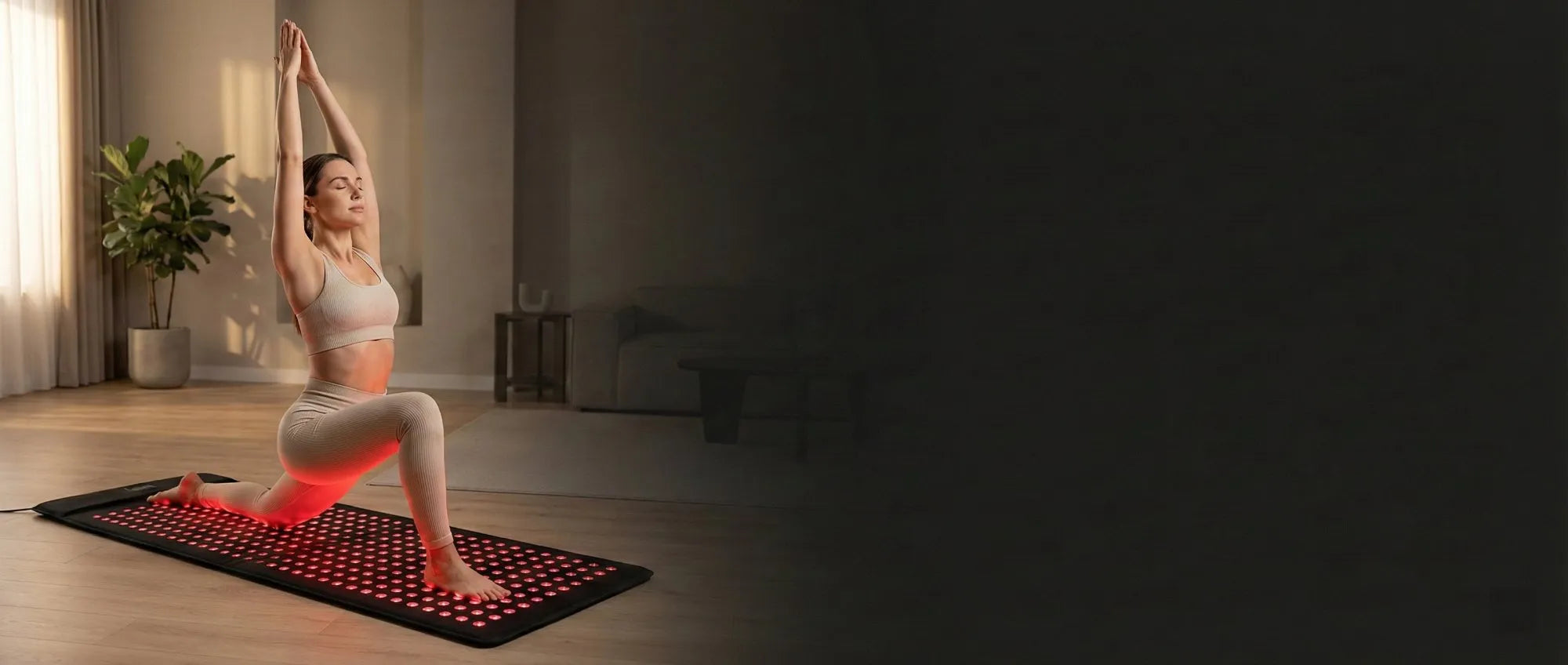
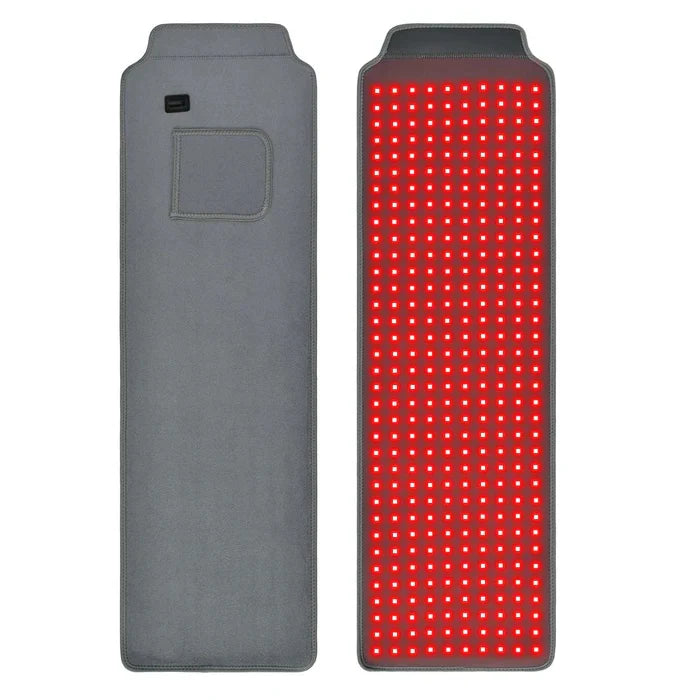
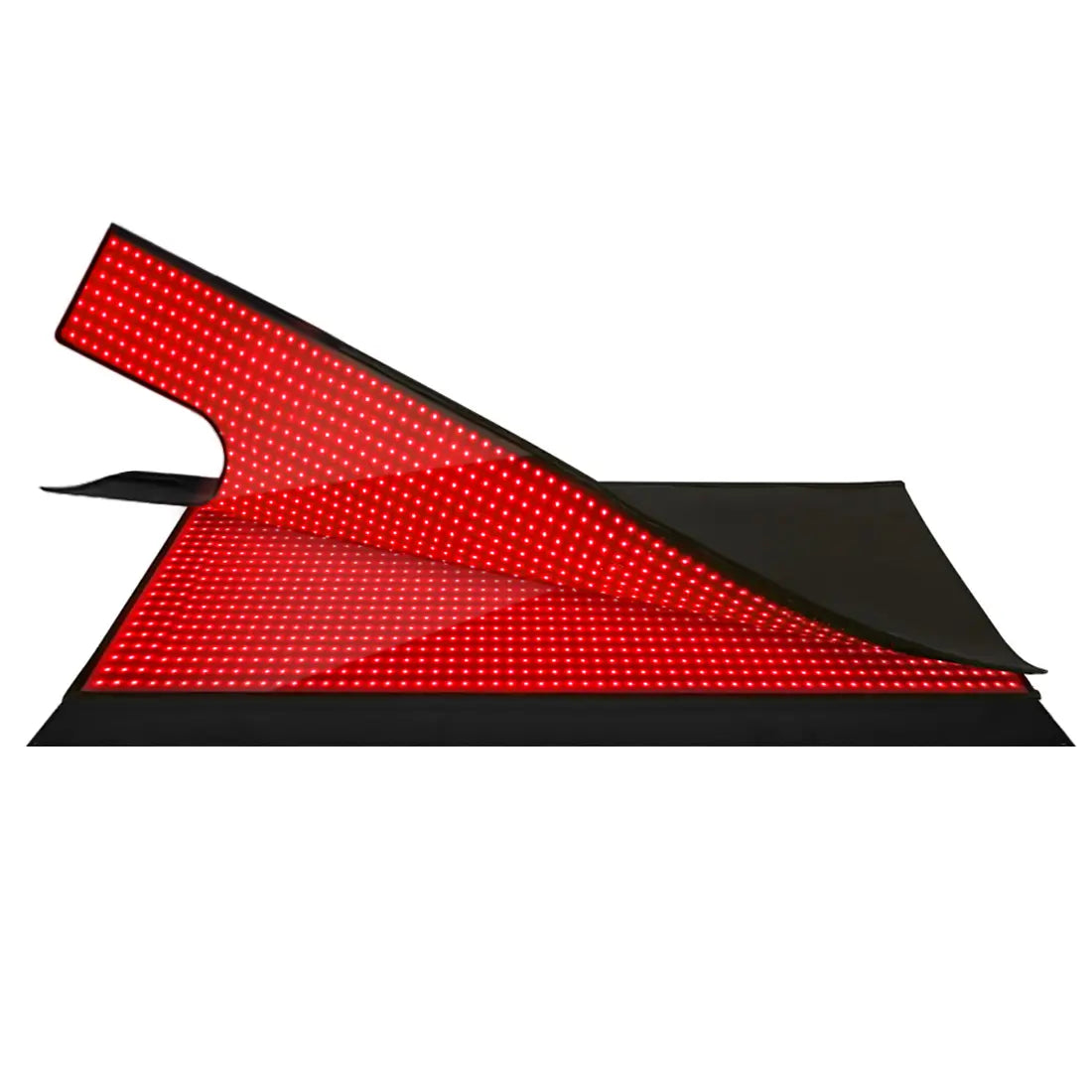
- Using a full-body mat or targeted belt for 10–20 minutes while lying down after work.
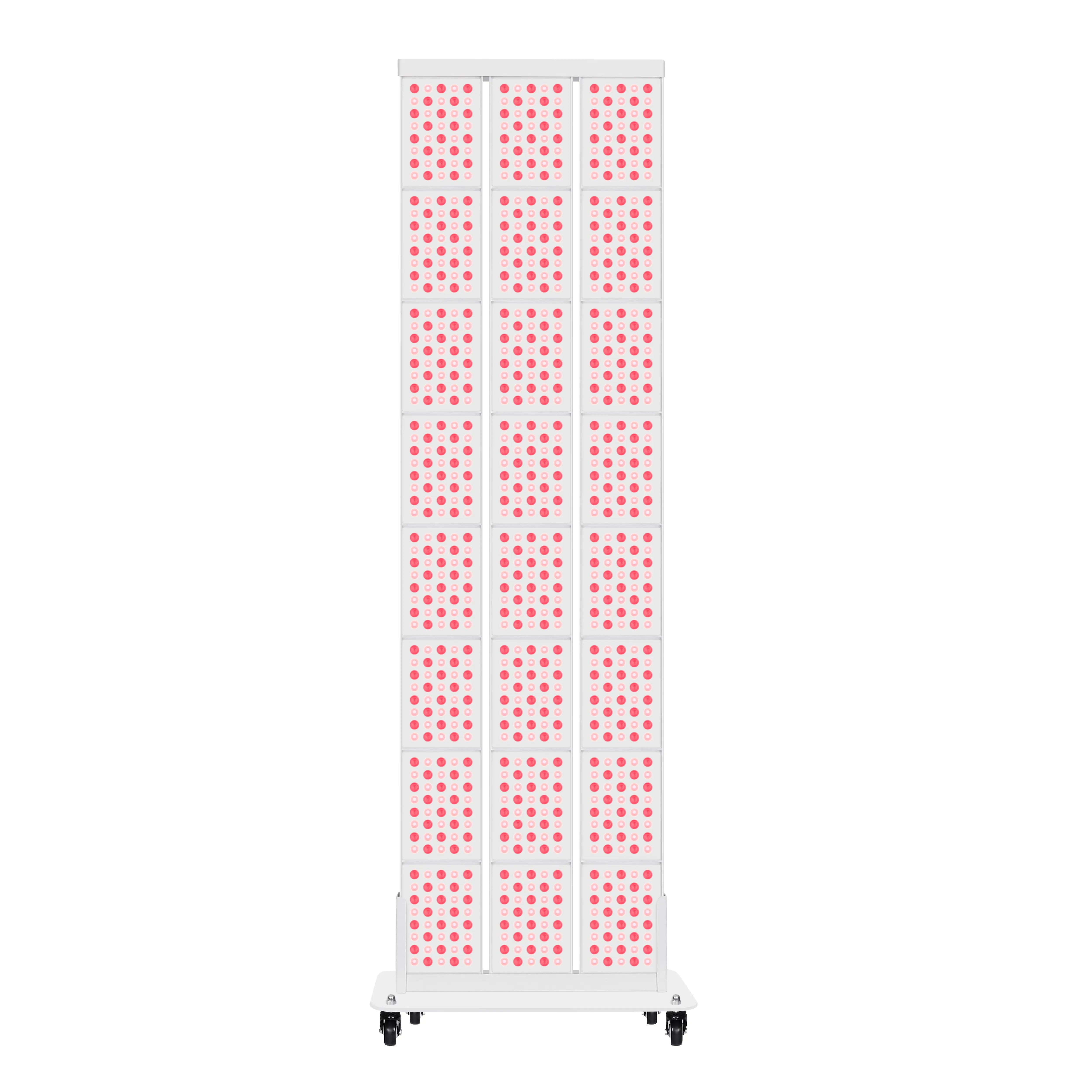
- Positioning a portable panel or pad on the lower back or upper shoulders during a lunch break.
- Combining sessions with gentle mobility work or posture resets.
Consistency appears more important than intensity for noticeable comfort improvements. Devices designed for home or office use, such as flexible belts or discreet panels, tend to fit better into busy schedules.
This guide on using red light therapy mats offers detailed positioning and timing suggestions that align well with sedentary lifestyle needs.
Common Setups and Device Options for Office Professionals
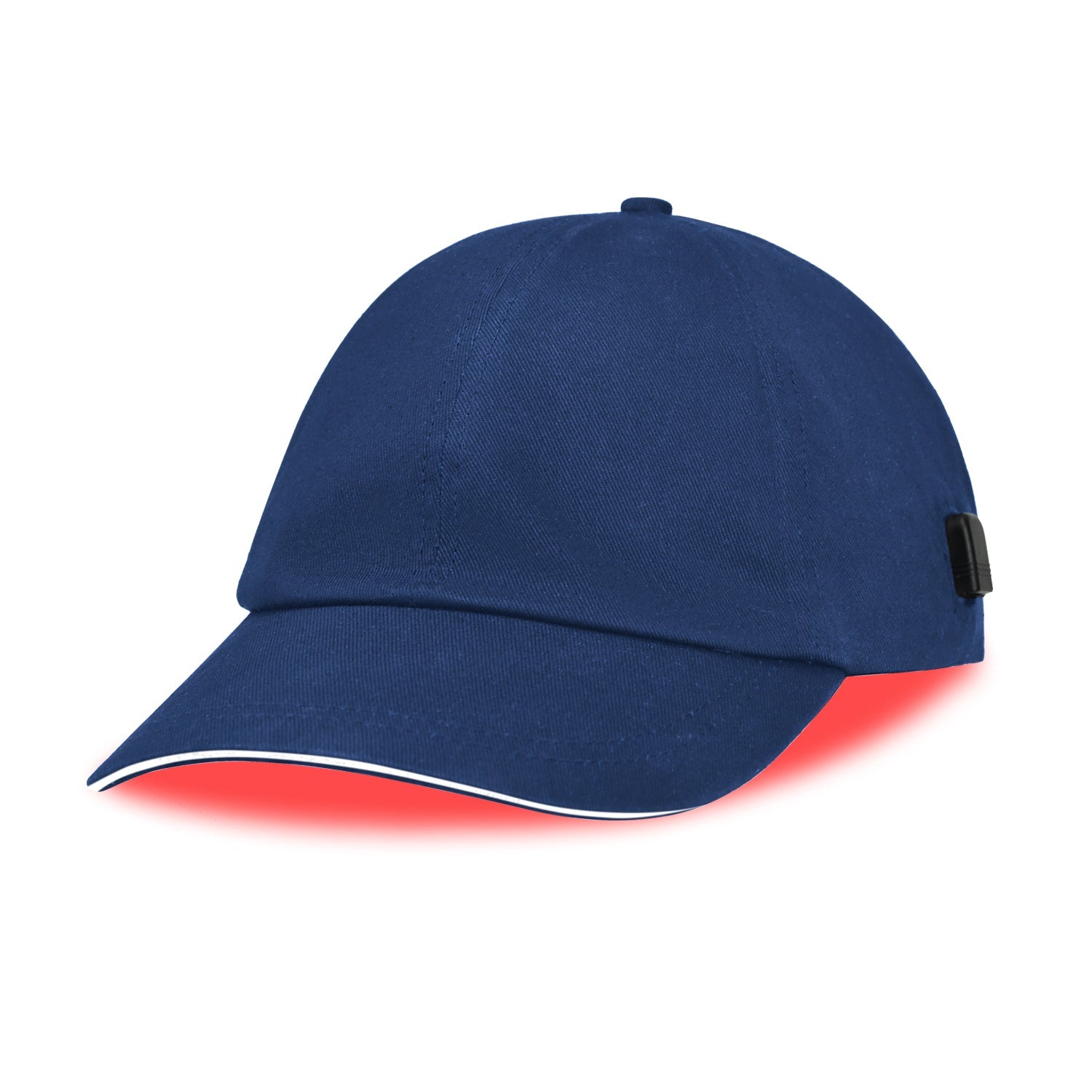
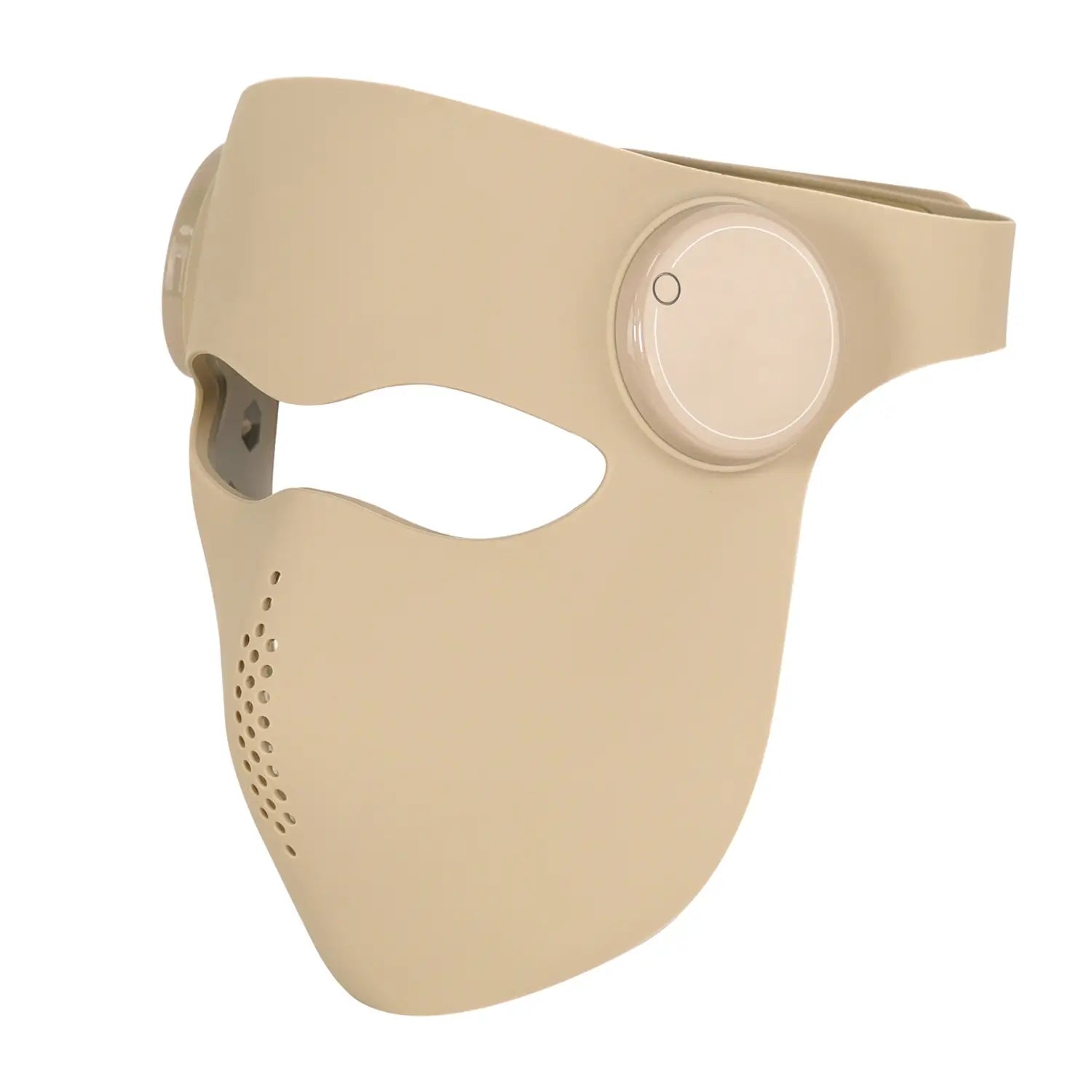
Desk workers often prefer solutions that require minimal disruption. A full-body red light therapy mat allows comprehensive coverage while relaxing at home. For targeted relief, a red light therapy belt for targeted treatment can wrap around the lower back or neck during short breaks.
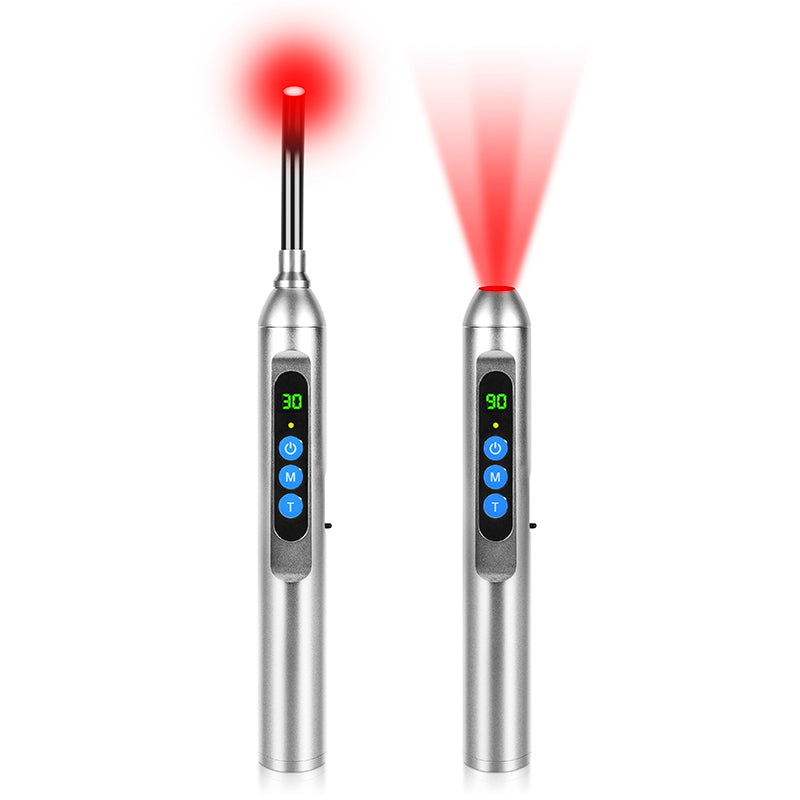
Portable panels work well for upper back and shoulder areas, while specialized posture support pads focus on spinal alignment zones. Many choose the Red Light Therapy Combo Kit for Desk Workers because it bundles multiple form factors for different times of day.
Collections such as Workplace Wellness Solutions and Posture and Spinal Health curate devices suited to office environments.

Realistic Expectations and Important Limitations
It is essential to set modest expectations. Low-level laser therapy is noninvasive and has been studied for many conditions, but the evidence base has limitations. Regulators have taken action against deceptive light-therapy advertising claims, underscoring the need for cautious interpretation.
For desk workers, red light therapy is better framed as a tool for comfort, stiffness, and recovery support rather than posture correction or structural treatment. It does not replace ergonomic adjustments, regular movement, or professional medical evaluation for ongoing pain.
When to approach with extra caution (dont buy if):
- Your primary goal is standalone posture correction rather than symptom support.
- You are unlikely to maintain a repeatable daily or near-daily routine.
- Setup friction feels too high for your office or home environment.
- Pain is severe, worsening, or accompanied by other symptoms.
A common frustration is that these tools can feel promising at the start but become one more chore in a workday that already feels crowded. The real value often emerges only when paired with better workstation habits and movement breaks.
Building a Complete Desk Worker Recovery Routine
The most practical approach is usually a combination of ergonomics, movement breaks, and recovery tools. Start with workstation assessment using guidance from official ergonomic resources. Add short standing or walking intervals throughout the day. Use red light therapy as an adjunct for muscle comfort after prolonged sitting.
Consider exploring related topics such as Red Light Therapy for Muscle Recovery: Science and Protocols or Red Light Therapy for Inflammation Reduction: A Complete Guide to deepen understanding of mechanisms.
Health and Comfort Disclaimer
This article discusses comfort, setup advice, and recovery routines for desk-related stiffness. It does not constitute medical advice, diagnosis, or treatment. Red light therapy outcomes vary by individual, device quality, and usage consistency. If you have persistent discomfort, existing medical conditions, or worsening pain, consult a qualified healthcare professional.
Red light therapy may feel more comfortable in some setups and can be easier to tolerate alongside other wellness practices, but benefits depend heavily on room conditions, device specifications, and your overall habits.
Final Thoughts
Desk workers dealing with back and neck stiffness have multiple options. While no single tool solves posture issues caused by sedentary work, red light therapy mats, belts, and panels offer a noninvasive way to support recovery when used thoughtfully within a broader routine. Focus first on ergonomics and movement, then evaluate whether adding photobiomodulation aligns with your schedule and goals.
Choose devices that fit your actual usage patterns rather than those promising dramatic standalone results. With realistic expectations and consistent application, many professionals report improved daily comfort and easier recovery from long workdays.