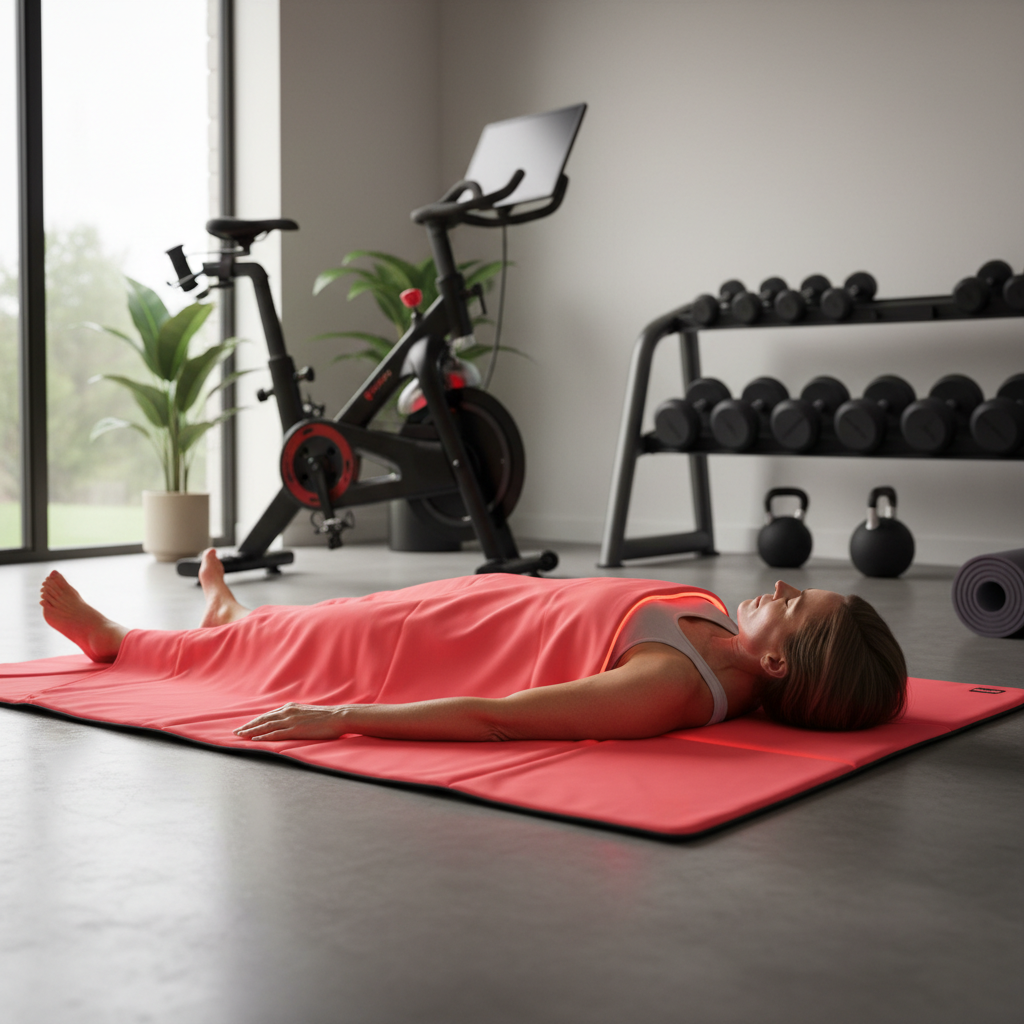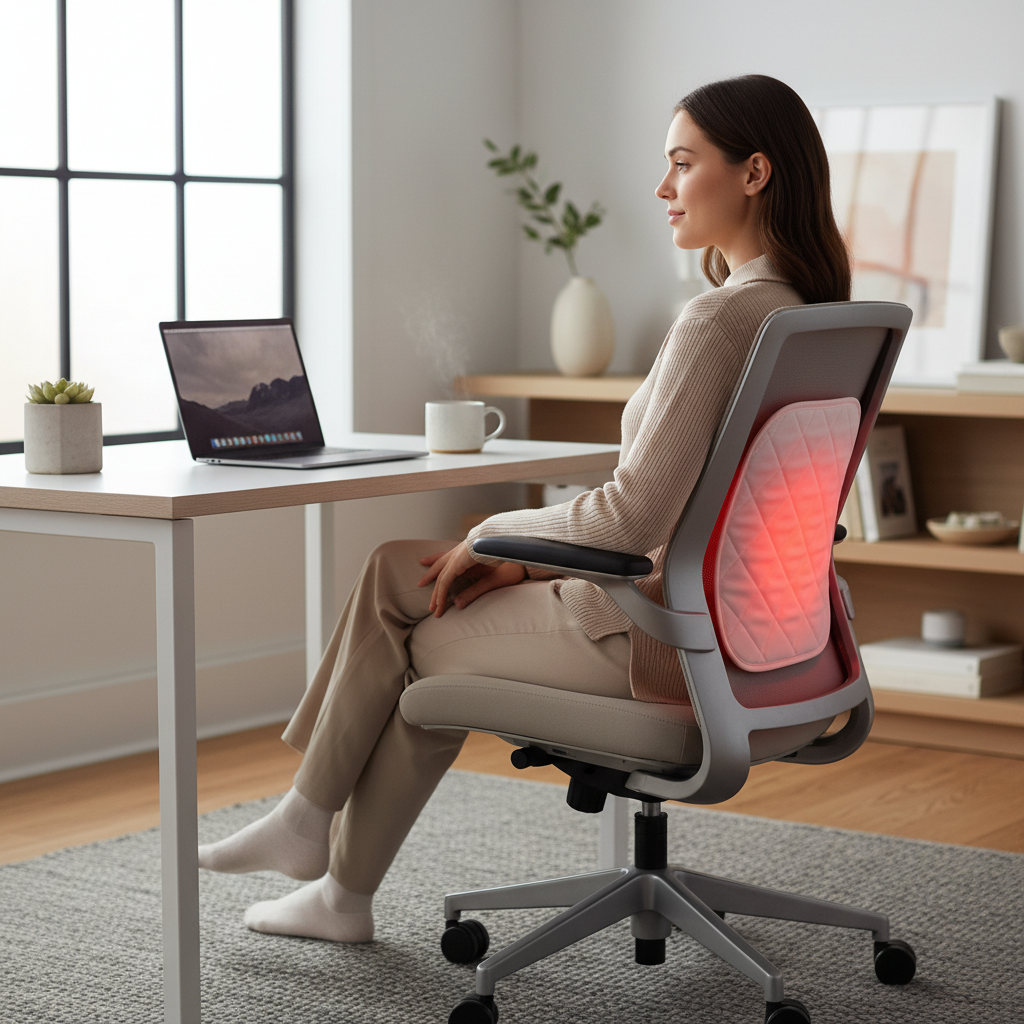
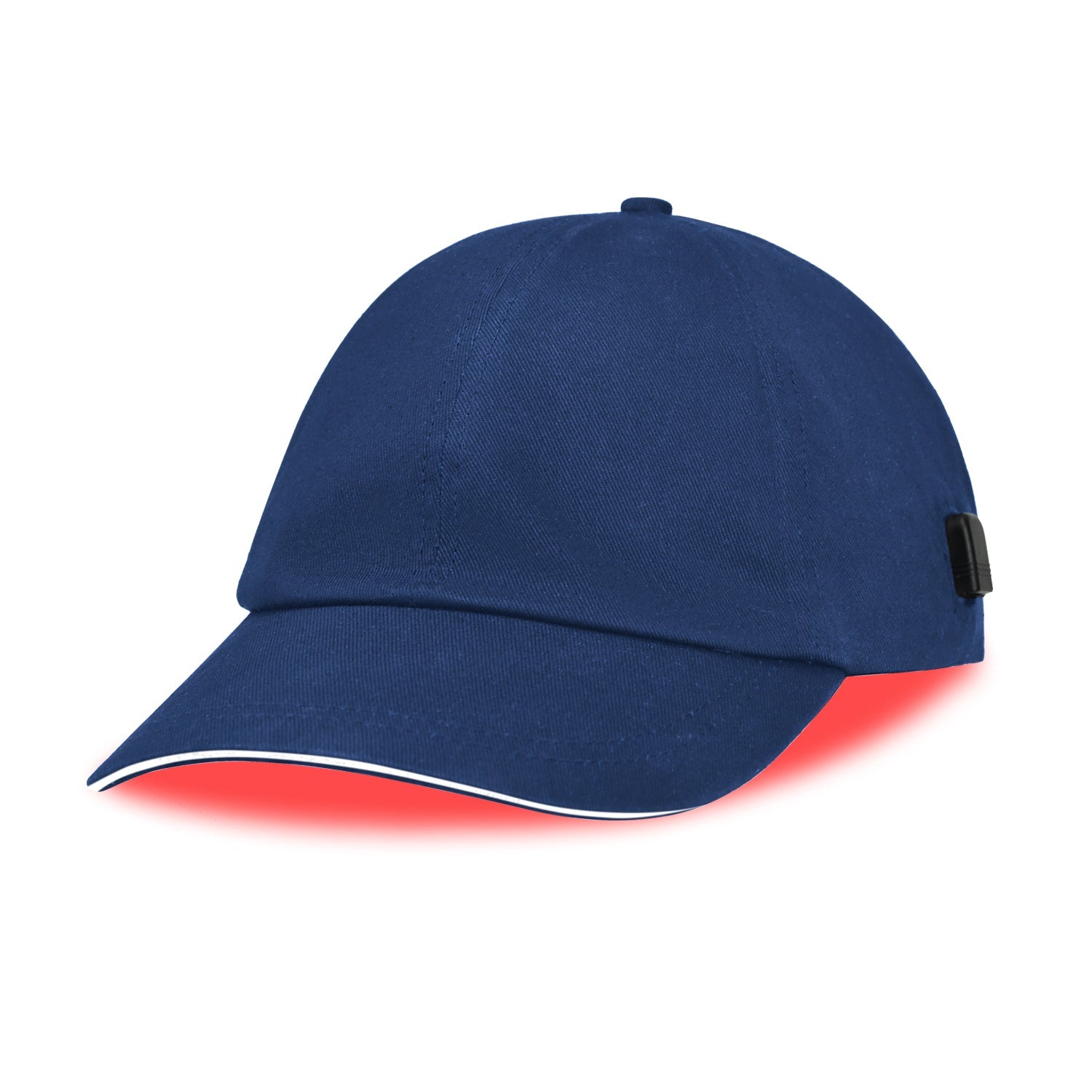
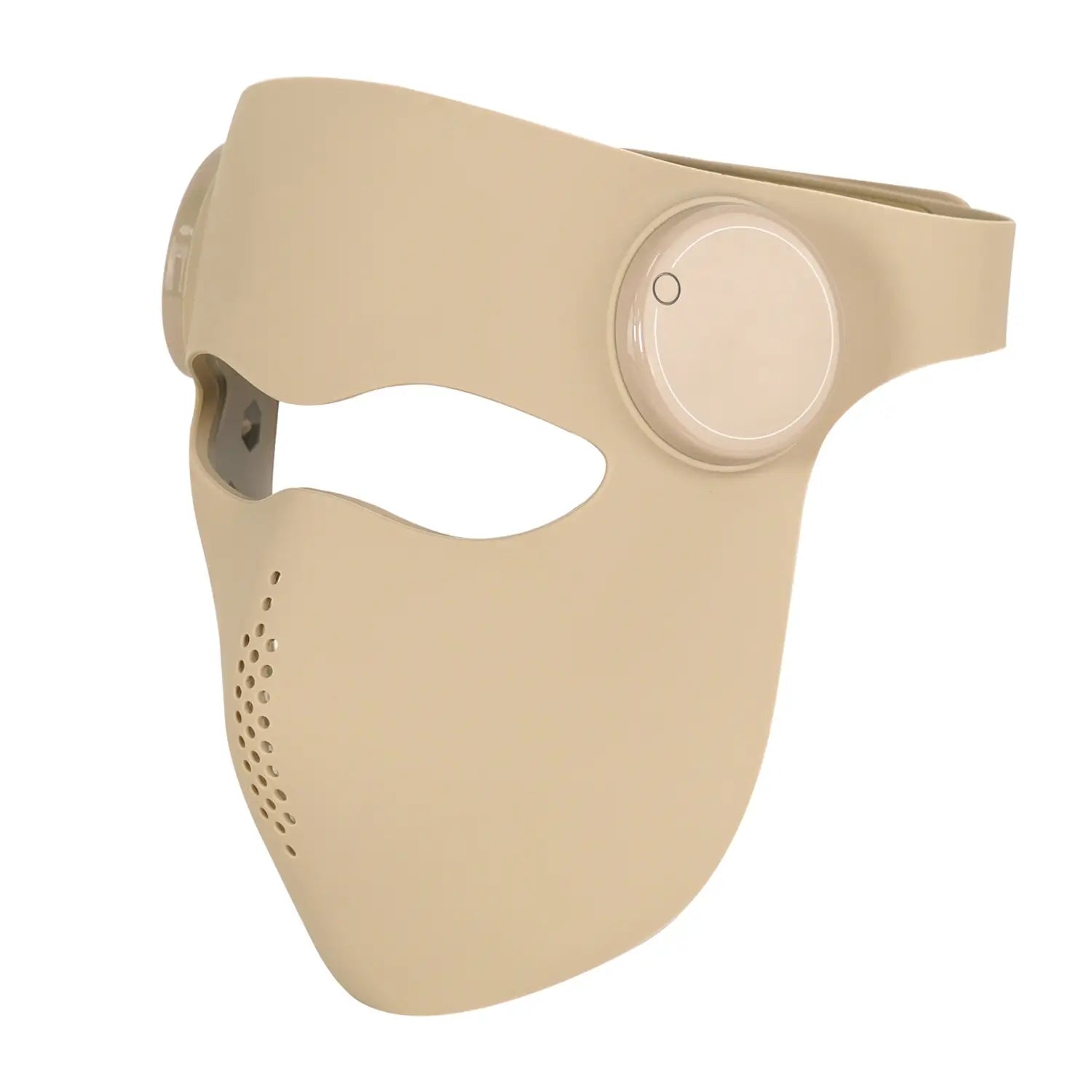

Many athletes and fitness enthusiasts experience delayed onset muscle soreness (DOMS) after intense or unfamiliar training, which can limit movement and delay the next session. Some studies suggest that photobiomodulation, commonly known as red light therapy, may help reduce post-exercise muscle pain and support aspects of recovery, although results vary by protocol, timing, and individual factors. This article examines the current evidence on red light therapy for DOMS, practical protocols for 2026, how it compares with other recovery methods, and important limitations to set realistic expectations.

What Is DOMS and Why Does It Happen?
Delayed onset muscle soreness is a common post-exercise soreness pattern associated with exercise-induced muscle damage, especially after unfamiliar or eccentric training. It typically peaks 24–72 hours after activity and involves inflammation, microscopic muscle fiber tears, and temporary reductions in strength and range of motion. DOMS is not the same as acute fatigue or lactic acid buildup during exercise; the latter clears relatively quickly, while DOMS reflects a longer repair process.
Understanding this distinction is important because many recovery claims focus on “clearing lactic acid,” which is not the primary mechanism for DOMS. Instead, interventions that may modulate inflammation or support cellular energy production have been studied for their potential to ease soreness and accelerate return to training.
Understanding Red Light Therapy (Photobiomodulation)
In the research literature, red light therapy is often discussed as photobiomodulation (PBM or PBMT). It uses specific wavelengths of red and near-infrared light to stimulate cellular processes, primarily by influencing mitochondria to increase energy production and modulate inflammatory signaling. Typical wavelengths studied range from approximately 630 nm to 940 nm, with many muscle recovery trials using combinations around 660 nm and 850 nm.
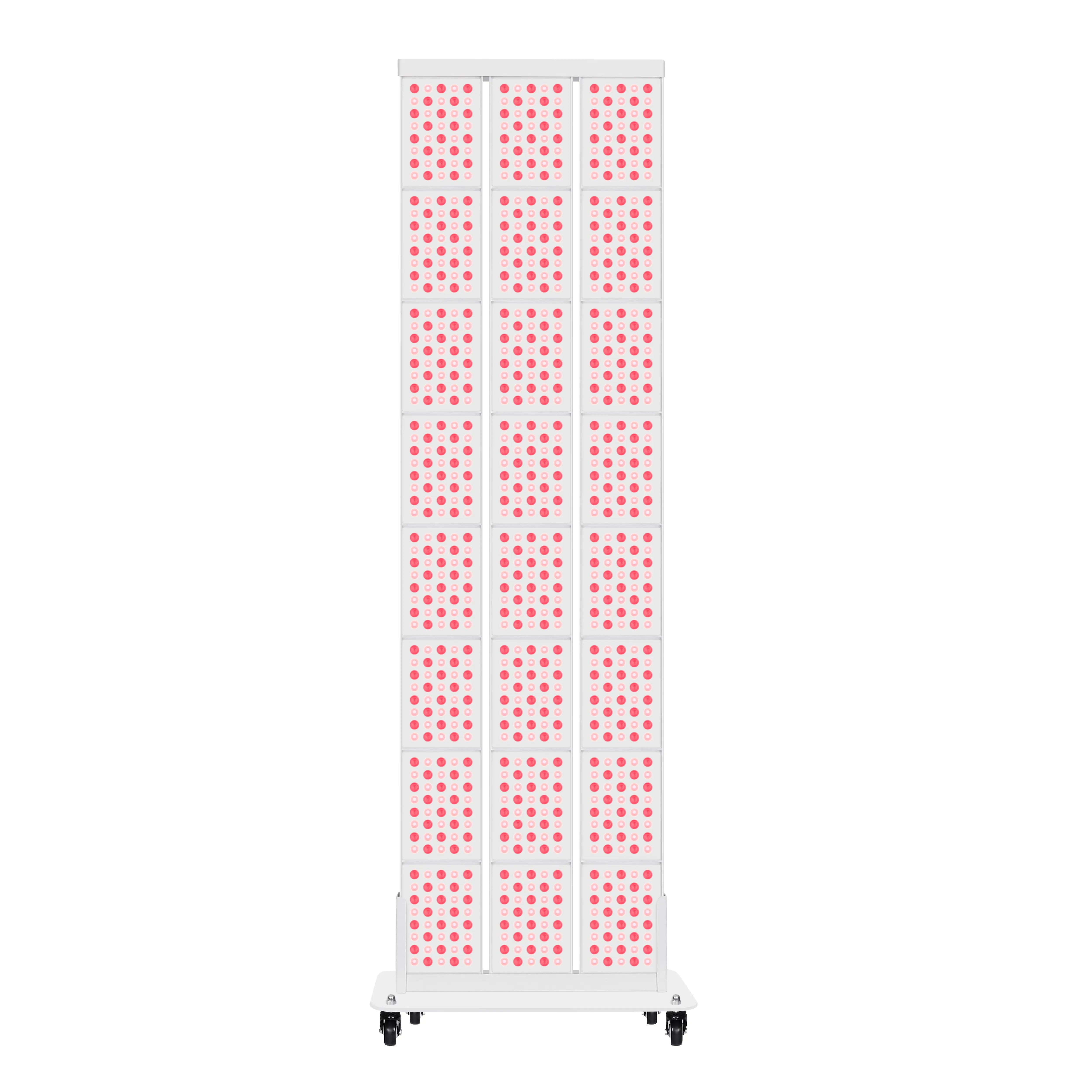
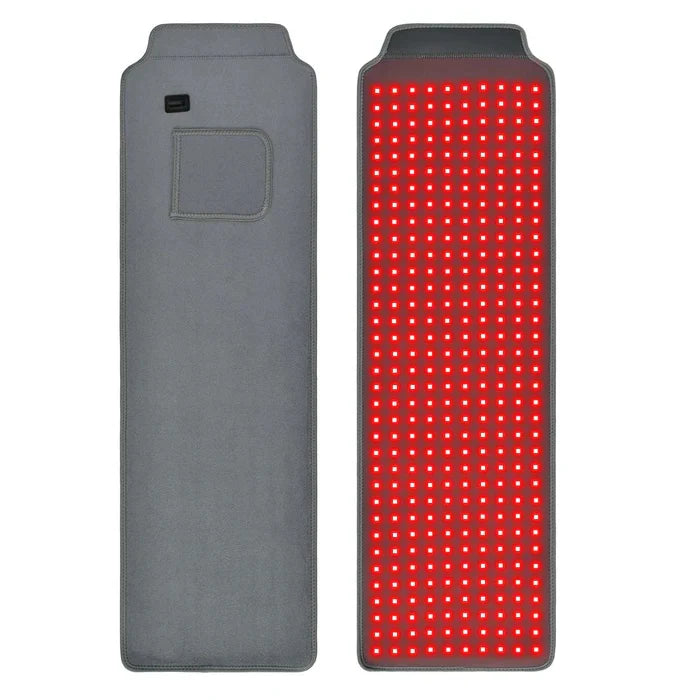
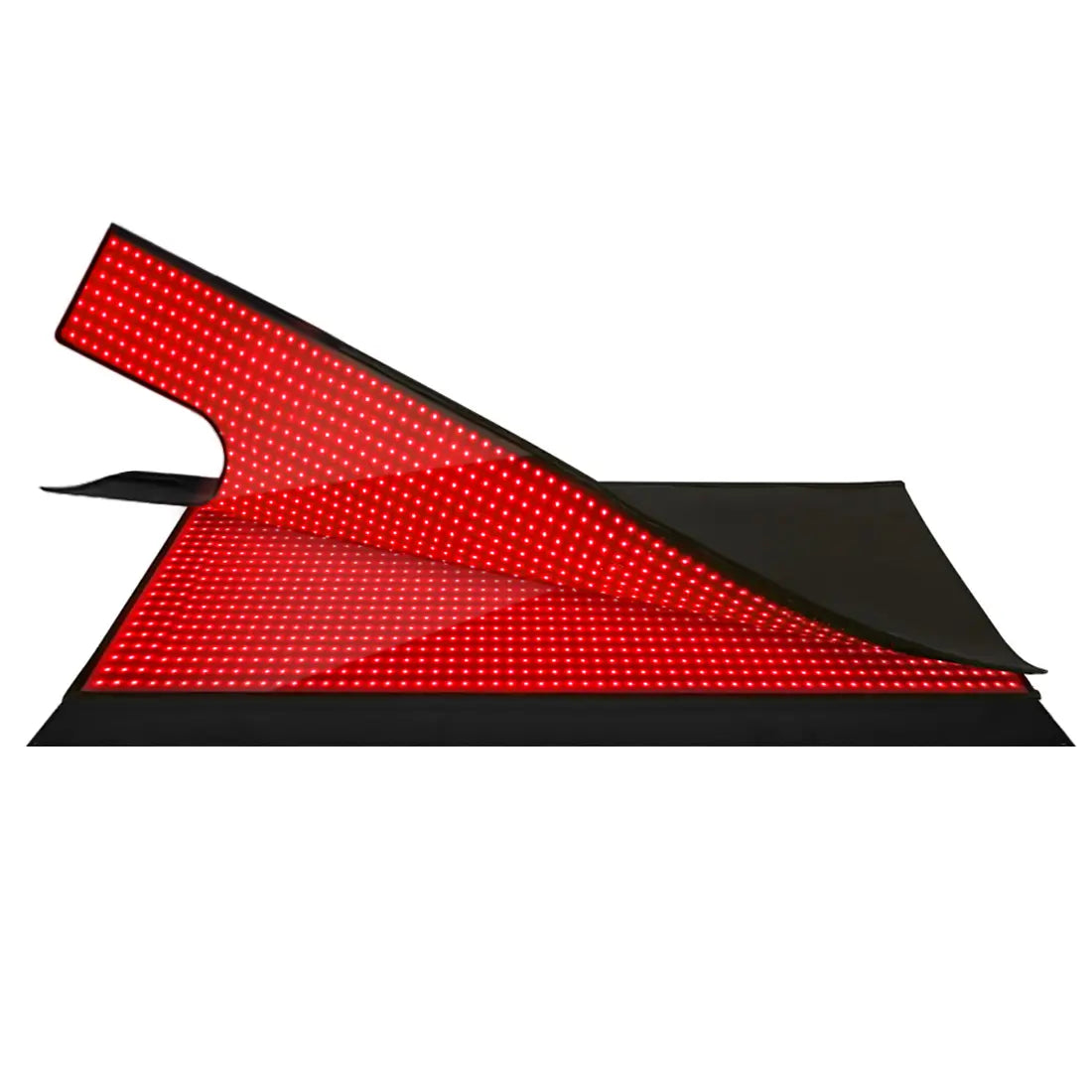
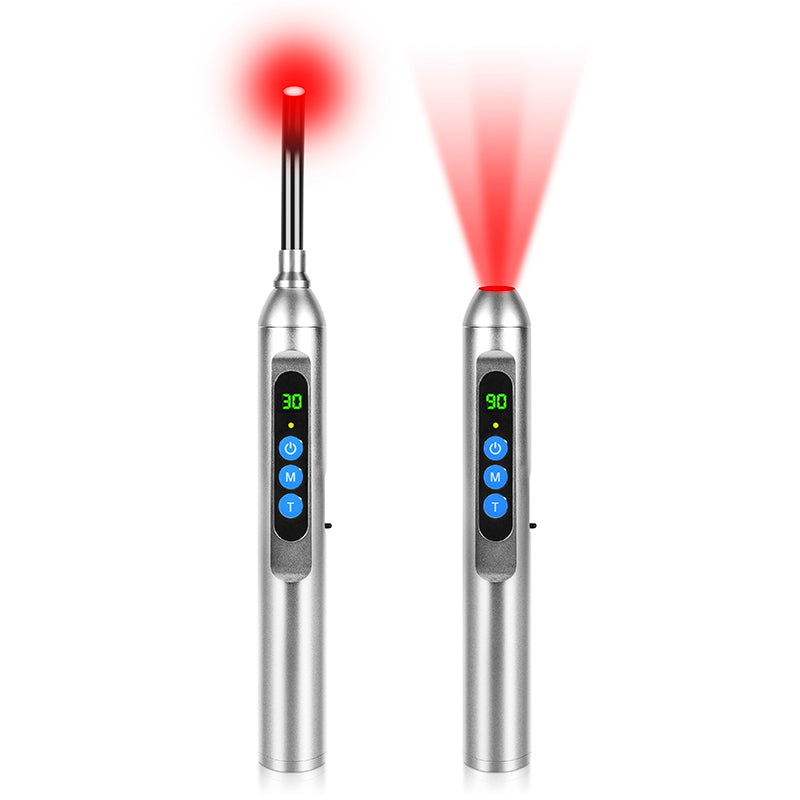
Consumer devices vary widely in irradiance, coverage area, and consistency with clinical parameters. Not all panels deliver the same dose or penetration depth, which is why protocol details matter significantly for outcomes. As this official throw-ratio guide explains, wavelength and dose are critical variables in photobiomodulation studies on human muscle tissue.
What Does the Evidence Say About Red Light Therapy for DOMS?
Some studies suggest photobiomodulation can reduce post-exercise soreness and may help certain aspects of muscle recovery, though effects are not uniform across protocols and exercise types. A 2025 systematic review found photomodulation associated with lower muscle pain and improved strength recovery after DOMS versus placebo. However, evidence on DOMS outcomes is mixed; some trials report no improvement in DOMS, inflammation, or performance outcomes.
Clinical research is still actively testing PBM for post-training recovery in athletes. ClinicalTrials.gov lists ongoing or recent studies evaluating light therapy for post-training recovery and muscle damage. Some pre-exercise PBM studies report better recovery-related outcomes, but results depend on timing, wavelength, dose, and training context.
Overall, experts still describe red light therapy / photobiomodulation as promising but still developing, especially for consumer use cases and protocol standardization. Results appear most consistent when devices meet adequate irradiance and dosing standards, and when users apply consistent protocols rather than sporadic sessions.
Timing and Protocol: How to Use Red Light Therapy After a Workout
The most effective red light therapy after-workout protocol depends on your goals, device capabilities, and training schedule. Many studies apply light before exercise (pre-loading) or use split sessions (pre and post). Post-workout application is also common in consumer routines but shows more mixed findings in research.
Key parameters to consider include:
- Wavelength: 630–660 nm for shallower tissue and 810–850 nm for deeper penetration. Dual-wavelength panels are frequently studied for muscle recovery.
- Dose: Most trials target 20–60 J/cm² per treated area, though consumer devices often require longer exposure times to reach equivalent energy delivery.
- Timing: Pre-exercise sessions (5–30 minutes before) appear more consistently linked to reduced subsequent soreness in some studies. Post-exercise use (immediately or within a few hours) may still offer benefits for pain modulation.
- Duration and frequency: 10–20 minute sessions on major muscle groups, repeated daily during heavy training blocks.
Protocol details matter: wavelength, dose, session timing, and device type can all change the outcome.
Here is an illustrative guide showing relative evidence patterns from the mixed literature:
Illustrative Timing Guide for Red Light Therapy Around Workouts
Bounded, scenario-based synthesis of mixed findings on photobiomodulation timing for DOMS recovery. This is not experimental data; it shows relative evidence strength and practical fit, not precise effect sizes.
View chart data
| Category | Soreness reduction | Strength recovery | No clear effect |
|---|---|---|---|
| Pre-workout | 3.0 | 2.0 | 2.0 |
| Post-workout | 2.0 | 1.0 | 2.0 |
| Both (split sessions) | 1.0 | 3.0 | 1.0 |
Illustrative synthesis from mixed studies and a 2025 review. Evidence suggests timing effects are protocol-dependent; pre-workout and split-session approaches appear more promising than post-workout-only use in some studies, while post-workout-only protocols also report null results. Values are heuristic 1-3 relative scores, not measured outcomes.
This chart is a heuristic visualization and should not be interpreted as precise clinical measurements. Individual results depend heavily on device quality and personal response.

Comparing Red Light Therapy to Other Recovery Methods
Red light therapy should be treated as a possible recovery adjunct, not a substitute for sleep, nutrition, hydration, rest, or medical care for severe pain or injury. When comparing options:
- Sleep and nutrition remain foundational. No light therapy can compensate for inadequate recovery basics.
- Active recovery and mobility work help maintain blood flow and may reduce stiffness with minimal equipment.
- Compression garments are one recovery option that may help manage muscle stiffness during the DOMS phase.
- Cold therapy or contrast baths are popular for acute inflammation but can feel uncomfortable and show variable long-term effects on strength recovery.
Sports-recovery reviews describe PBMT as a potentially useful strategy for fatigue and muscle-damage management, especially when applied before exercise, but conclusions are not uniform. Some athlete studies have found no faster recovery with full-body PBM after competition, showing that results depend on the sport, timing, and protocol.
A practical checklist for choosing your approach:
- Prioritize sleep (7–9 hours) and protein intake before adding devices.
- Assess training load—if DOMS is frequent and severe, review programming rather than relying solely on recovery tools.
- Test one variable at a time (e.g., consistent pre-workout light sessions for 2–3 weeks) and track subjective soreness and performance.
- Combine methods when possible—light therapy plus light active recovery and compression often fits busy schedules.
- Monitor for diminishing returns or skin sensitivity and adjust distance or duration accordingly.
Limitations, Safety, and Realistic Expectations
Some trials report no improvement in DOMS, inflammation, or performance outcomes, highlighting that red light therapy does not work equally for everyone. Factors influencing response include training status, age, genetics, device irradiance, and whether the session parameters match research conditions.
Important safety and expectation boundaries: This article only discusses comfort and setup considerations for general wellness and athletic recovery. It does not constitute medical advice, diagnosis, or treatment. Red light therapy is generally considered safe when used according to manufacturer guidelines, but individuals with photosensitive conditions, certain medications, or active injuries should consult a qualified healthcare professional. If you experience persistent or severe pain, swelling, or loss of function, seek medical evaluation rather than self-treating.
When purchasing a device, look for transparent specifications on irradiance (measured at treatment distance with proper equipment), wavelength accuracy, and EMF levels. Avoid devices making absolute claims about eliminating soreness or replacing rest. The field continues to evolve, and protocol standardization remains an active area of research.
Who Might Benefit Most and When to Consider It
Competitive athletes in heavy training blocks, HIIT or CrossFit participants, and weekend warriors returning after breaks may find red light therapy a convenient addition to their routines. It is most practical for those who already maintain solid sleep, nutrition, and progressive training practices and are looking for marginal gains in between-session recovery.
Do not buy or rely on red light therapy as a primary solution if your soreness stems from overtraining, poor sleep, nutritional deficits, or possible injury. In those cases, addressing root causes yields better long-term results. Those new to training or returning after long layoffs should focus first on gradual progression rather than recovery gadgets.
Final Thoughts
Red light therapy for DOMS offers a non-invasive option that some research links to modest reductions in muscle pain and faster strength recovery in certain contexts. While not a miracle solution, consistent use within a broader recovery framework may help some athletes return to training with less discomfort. Success depends heavily on choosing a quality device, following evidence-informed protocols, and maintaining realistic expectations. As with any wellness tool, combine it thoughtfully with sleep, nutrition, and smart training to support long-term progress.
This discussion of red light therapy for muscle recovery is for informational purposes and does not replace professional medical advice. Consult qualified healthcare providers for any health concerns or before making significant changes to your recovery regimen, especially if you have existing conditions.