
The Ultimate Guide to Red Light Therapy Protocols
Medical Disclaimer: The information provided in this guide is for educational and informational purposes only and is not intended as medical advice, diagnosis, or treatment. Red light therapy (photobiomodulation) is a complementary approach and should not replace professional medical care. Always consult with a qualified healthcare provider before beginning any new therapy, especially if you are pregnant, have a pre-existing medical condition, or are taking medications that increase photosensitivity.
Summary
Red light therapy (RLT) protocols in 2026 have evolved toward precision dosing based on the Arndt-Schulz Law, moving away from generic "time-on-device" toward specific energy density targets (measured in J/cm²). By understanding the relationship between device irradiance and biological response, users can better tailor sessions to their specific needs—whether using targeted panels for localized recovery or full-body mats for systemic wellness. Adhering to the latest safety frameworks, such as IEC 60601-2-57:2026, ensures that these protocols remain within effective therapeutic windows while minimizing the risk of cellular over-stimulation.

Key Takeaways
- Dosage Precision: Effective protocols are defined by energy density (Joules/cm²) rather than just minutes, requiring an understanding of your device's specific irradiance at various distances.
- The Biphasic Response: Following the Arndt-Schulz Law is essential; clinical evidence suggests a "sweet spot" where too little light is ineffective and excessive light may inhibit cellular repair.
- Systemic vs. Targeted: Full-body mats are generally utilized for systemic metabolic support, while high-irradiance panels are preferred for deep-tissue penetration in localized areas.
- Phased Scheduling: A transition from an "Acute Phase" (higher frequency) to a "Maintenance Phase" (lower frequency) helps prevent cellular adaptation and maintains long-term responsiveness.
- Biological Context: Factors such as cellular hydration and circadian timing can influence the efficacy of a photobiomodulation session.
Understanding Red Light Therapy Protocols in 2026
As we move through 2026, the landscape of photobiomodulation (PBM) has shifted from general wellness toward "precision recovery." The implementation of updated device standards, specifically IEC 60601-2-57:2026, provides a framework for how light interacts with tissue. A modern protocol is a calculated delivery of photons intended to trigger specific biological pathways, such as the activation of cytochrome c oxidase in the mitochondria.
For a foundational understanding of the technical benchmarks governing these protocols, including wavelength penetration and EMF safety, refer to the guide on safety and irradiance standards. This establishes the 2026 benchmarks for irradiance measurement, ensuring your protocol is based on verified data.
The Science of Dosage: Calculating Your Optimal Session
A common challenge in red light therapy is the "more is better" fallacy. PBM follows a biphasic dose-response curve known as the Arndt-Schulz Law. This principle, supported by extensive literature (e.g., Hamblin, 2017), indicates that there is an optimal energy window for stimulation.
To calculate your dose, you must understand the relationship between irradiance (power density) and time. The standard formula used in clinical settings is:
Energy Density (J/cm²) = [Irradiance (mW/cm²) × Time (seconds)] / 1000
Clinical Dosage Benchmarks
Based on consensus from the World Association for photobiomodulation Therapy (WALT) and various systemic reviews, the following ranges are generally recognized:
- Superficial/Skin Health: 3–6 J/cm² per treatment area.
- Deep Tissue (Muscle/Joint): 20–60 J/cm² per treatment area.
Note: These values are based on clinical trials using specific laser or LED parameters; actual results may vary based on device efficiency and individual skin absorption rates.
Logic Summary: These dosage calculations assume a stable irradiance output. Individuals with higher melanin content (Fitzpatrick Scale IV-VI) may experience higher surface absorption, potentially requiring slightly adjusted distances to manage thermal comfort while ensuring deep-tissue NIR penetration.
Contraindications and High-Risk Considerations
Before implementing a high-frequency protocol, it is essential to identify if you fall into a high-risk category.
- Photosensitizing Medications: Certain drugs (e.g., Tetracycline, Isotretinoin, some NSAIDs) can significantly increase skin sensitivity to light.
- Pregnancy: While RLT is often considered low-risk, there is a lack of large-scale clinical trials regarding direct abdominal exposure during pregnancy. Consult an OB-GYN.
- Active Malignancies: Avoid direct application over known primary or secondary tumors unless under strict oncological supervision.
- Epilepsy: If using a device with a "pulsing" feature, individuals with photosensitive epilepsy should consult a neurologist, as specific frequencies (especially in the 5-30Hz range) may trigger seizures.
Targeted vs. Systemic Recovery: Choosing Your Path
The choice of device dictates the protocol's focus and the frequency of sessions.
Targeted Protocols
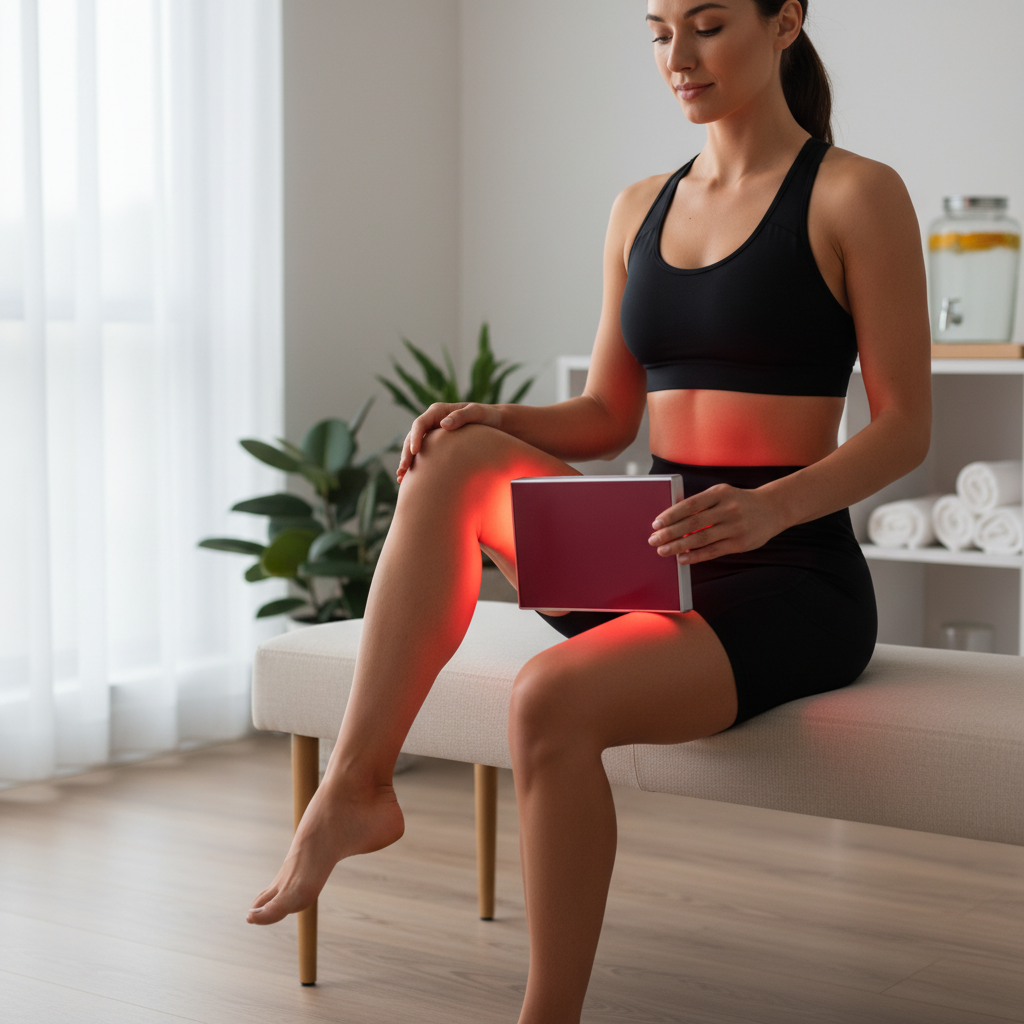
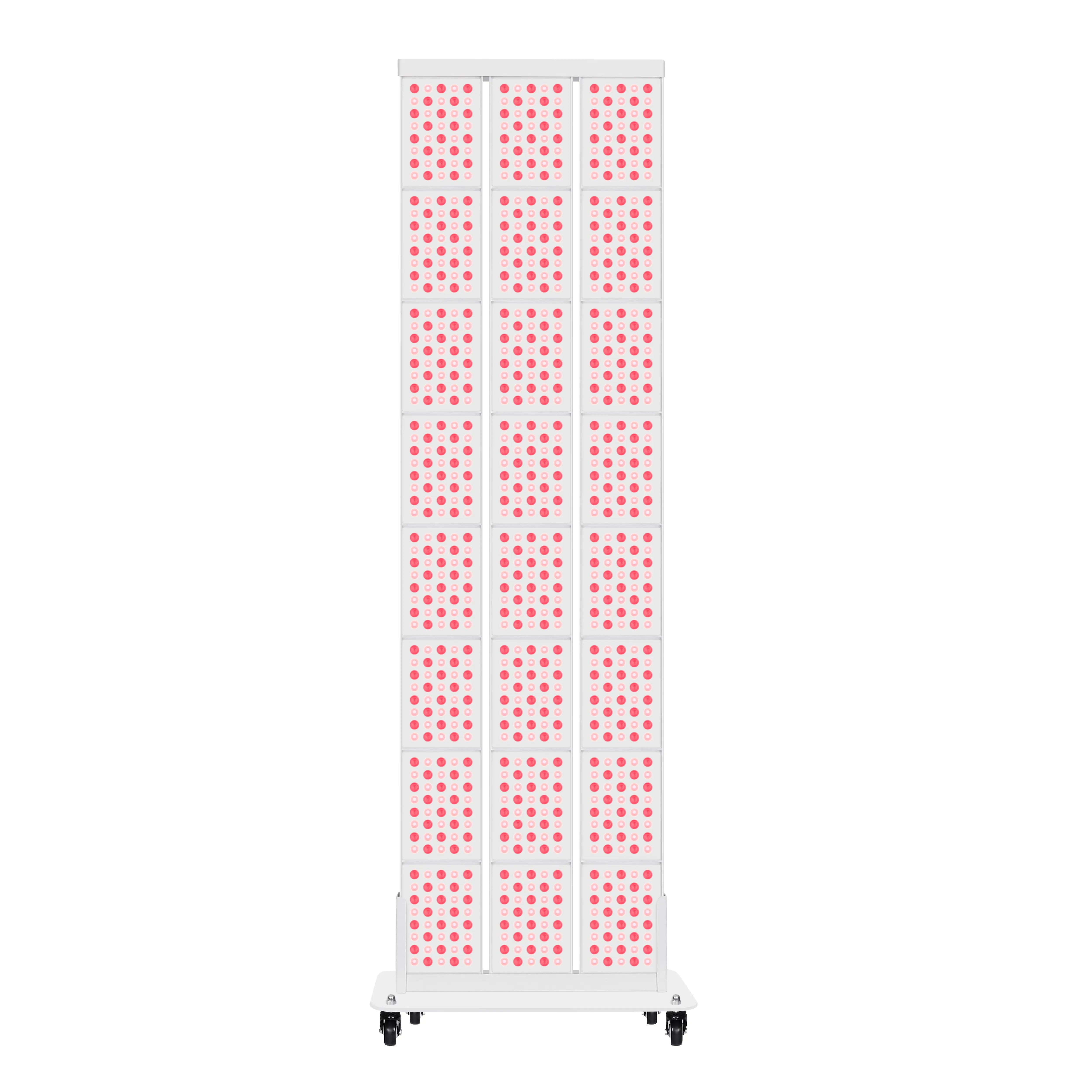
Targeted therapy uses high-irradiance panels to deliver concentrated energy to specific areas, such as a joint or a surgical scar. For localized issues, following optimal frequency guidelines is recommended to avoid over-saturation.
Systemic Protocols
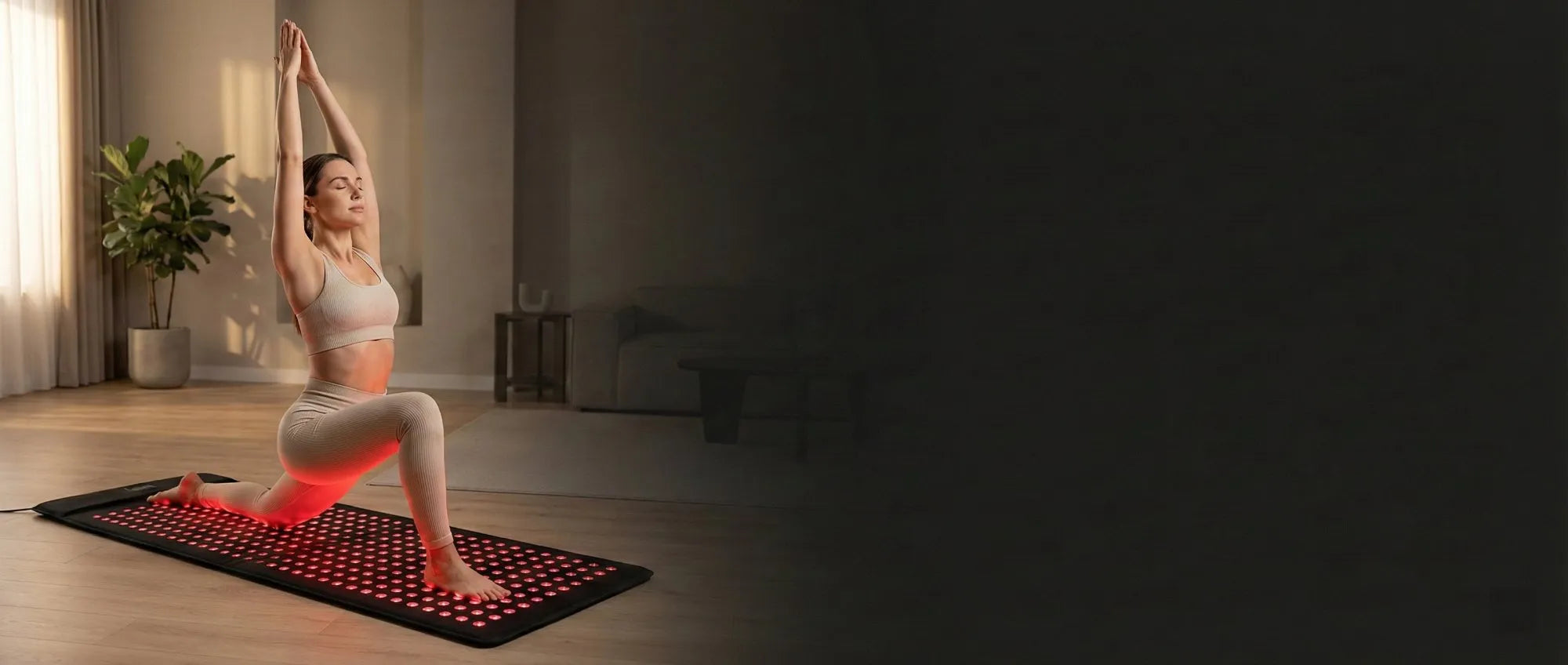
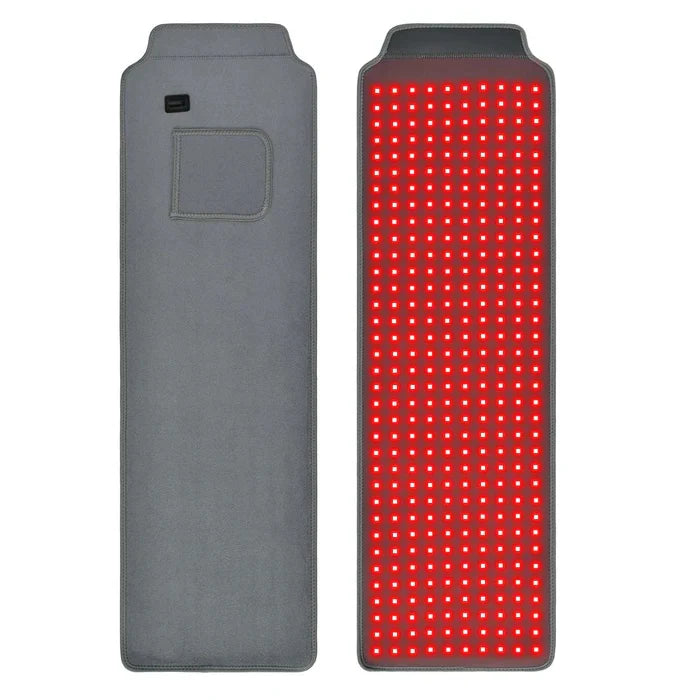
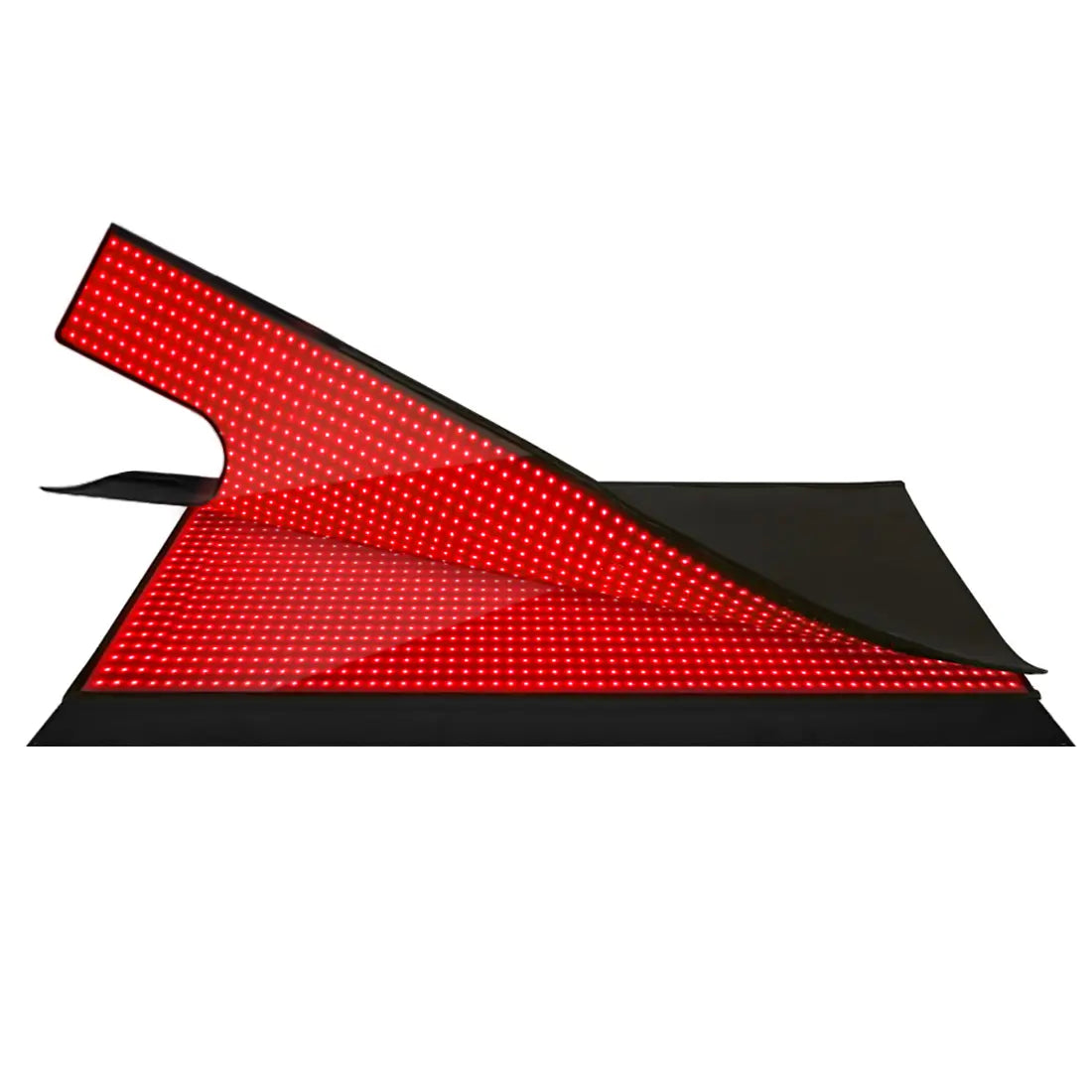
Systemic recovery aims to influence the body's overall inflammatory state. This is often achieved using a full-body red light therapy mat. Mats typically provide lower irradiance over a larger surface area, allowing for longer sessions that stimulate the circulatory system. For integrated recovery, some users utilize a red light therapy sleep bag to align treatment with the body's natural repair cycle.

| Feature | Targeted (Panels) | Systemic (Mats/Bags) |
|---|---|---|
| Primary Goal | Localized pain, skin, deep tissue | Sleep, inflammation, mood, recovery |
| Irradiance Level | High (50-150+ mW/cm²) | Low to Moderate (10-30 mW/cm²) |
| Session Time | 5–15 minutes | 20–45 minutes |
| Frequency | 3–5 times per week | Daily or nightly |
Phased Treatment Schedules
To prevent cellular "accommodation"—where the body becomes less responsive to the stimulus—experts recommend a phased approach.
- Phase 1: Acute/Induction (Weeks 1–4): Focus on priming the mitochondria. Protocols often involve 5 sessions per week. For skin, 660nm is preferred; for deeper tissue, 850nm is standard. See the wavelength selection guide for details.
- Phase 2: Consolidation (Weeks 5–12): Frequency is typically reduced to 3–4 sessions per week. This is an appropriate time to introduce pulse frequency effects, such as 10Hz or 40Hz, which some studies suggest may support neurological wellness.
- Phase 3: Maintenance (Ongoing): 2 sessions per week are generally sufficient to sustain mitochondrial density and collagen production.
Optimizing the Biological Response: Hydration and Timing
The effectiveness of a protocol is influenced by the cellular environment, particularly the presence of water molecules in the mitochondria.
Hydration Heuristic: Photobiomodulation is thought to interact with the structured water layer around Cytochrome c Oxidase. As a general rule of thumb, consuming 16–20 ounces of water with electrolytes approximately 30 minutes before a session may help ensure the cellular environment is optimized for energy transfer.
Circadian Alignment:
- Morning: Sessions within one hour of waking mimic natural sunrise light, potentially supporting circadian rhythm regulation.
- Evening: It is generally recommended to complete high-intensity sessions at least 90 minutes before bed to avoid potential interference with sleep onset due to increased metabolic activity.
FAQ
How often should I use red light therapy for the best results? For most wellness goals, 3 to 5 times per week is common. During an initial "acute" phase, daily use for 2-4 weeks may be beneficial, but transitioning to a maintenance schedule of 2-3 times per week is often recommended to maintain long-term efficacy.
Can I use red light therapy more than once a day? While generally considered safe, treating the same area multiple times a day is usually unnecessary and may lead to diminishing returns due to the biphasic dose-response. You may, however, treat different body parts in separate sessions.
Do I need to wear eye protection? Yes. Eye protection is strongly recommended, especially with high-irradiance panels. While some clinical research explores RLT for ocular health, the intensity of consumer panels can cause significant glare and discomfort.
How long does it take to see results? Results vary. Users often report improvements in skin tone or muscle recovery within 2 to 4 weeks. For structural changes like joint health or hair regrowth, consistent use over 3 to 6 months is typically required.
Should I use it before or after a workout? Both have benefits. Pre-workout (15-20 mins before) may help prime muscles and blood flow. Post-workout (within 2 hours) is often used to reduce delayed onset muscle soreness (DOMS).
Does it work through clothing? RLT is most effective on clean, bare skin. While NIR (850nm) can penetrate some thin fabrics, red light (660nm) is largely absorbed or reflected by clothing, significantly reducing the energy delivered to the cells.
References
Government & Regulatory Standards
- FDA Medical Device Classification (2026 Regulatory Framework).
- IEC 60601-2-57:2026 - Particular requirements for the basic safety and essential performance of non-laser light source equipment.
Independent Clinical & Academic Sources
- Hamblin, M. R. (2017). "Photobiomodulation or low-level laser therapy." Frontiers in Physiology. (Key source for the Arndt-Schulz Law in PBM).
- Zein, R., et al. (2018). "Review of light parameters and photobiomodulation efficacy." Journal of Biomedical Optics.
- Evidence-based consensus on photobiomodulation - Journal of the American Academy of Dermatology (JAAD), 2025/2026.
Industry & Technical Guides
- The Complete Red Light Therapy Dosage Guide (Industry consensus on dosing).
- Photobiomodulation Standards: Irradiance and Safety (Technical whitepaper).
Related
- wavelength selection guide