

Summary
The ultimate red light therapy protocol for muscle recovery involves a dual-phase approach: pre-workout "pre-conditioning" to enhance mitochondrial function and post-workout "recovery" to mitigate inflammation and oxidative stress. By applying specific wavelengths—typically 660nm and 850nm—at targeted energy densities (5-30 J/cm²), athletes can significantly reduce delayed onset muscle soreness (DOMS) and accelerate tissue repair.
Key takeaways
- Timing Matters: Use red light 5–15 minutes before exercise for performance enhancement and within 2–4 hours post-exercise for recovery.
- Wavelength Synergy: Combine 660nm (red) for superficial tissue and 850nm (near-infrared) for deep muscle penetration.
- Dosage Precision: Aim for 5–10 J/cm² pre-workout and 20–30 J/cm² post-workout for optimal cellular response without over-stimulation.
- Consistency is Key: Cumulative benefits are observed with regular use (3–5 times per week) rather than sporadic applications.
Understanding the Science of Photobiomodulation for Athletes
Red light therapy, scientifically known as photobiomodulation (PBM), works by delivering specific photons of light to the mitochondria within muscle cells. These photons are absorbed by cytochrome c oxidase, a key enzyme in the electron transport chain, which leads to increased production of adenosine triphosphate (ATP). For athletes, this means more cellular energy available for muscle contraction and repair.
Research indicates that the 660nm vs 850nm wavelengths for muscle recovery offer a comprehensive treatment spectrum. While 660nm is effective for skin health and superficial inflammation, the 850nm near-infrared light penetrates deeper into the muscle belly and connective tissues, where most athletic strain occurs.
Logic Summary: This protocol assumes the use of medical-grade LED panels with a power density of at least 50mW/cm² at the treatment distance. Recommendations are based on the Arndt-Schulz Law, which suggests that low-level light stimulates, while excessively high doses may inhibit cellular processes.
Pre-Workout Activation: The Pre-Conditioning Protocol
Using red light therapy before a workout is often referred to as "pre-conditioning." The goal is to prime the muscles for the upcoming stress by increasing blood flow and antioxidant defenses. This can lead to improved muscular endurance and a higher threshold for fatigue.
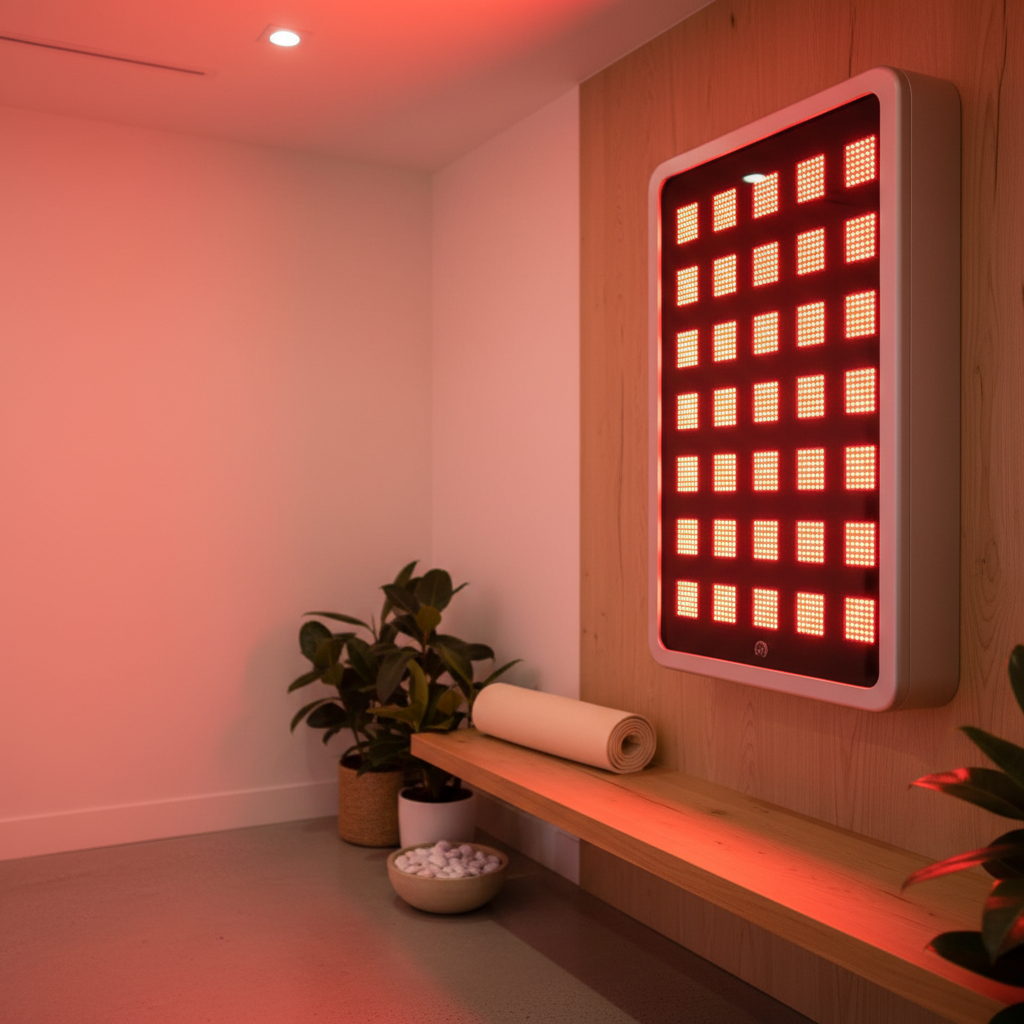
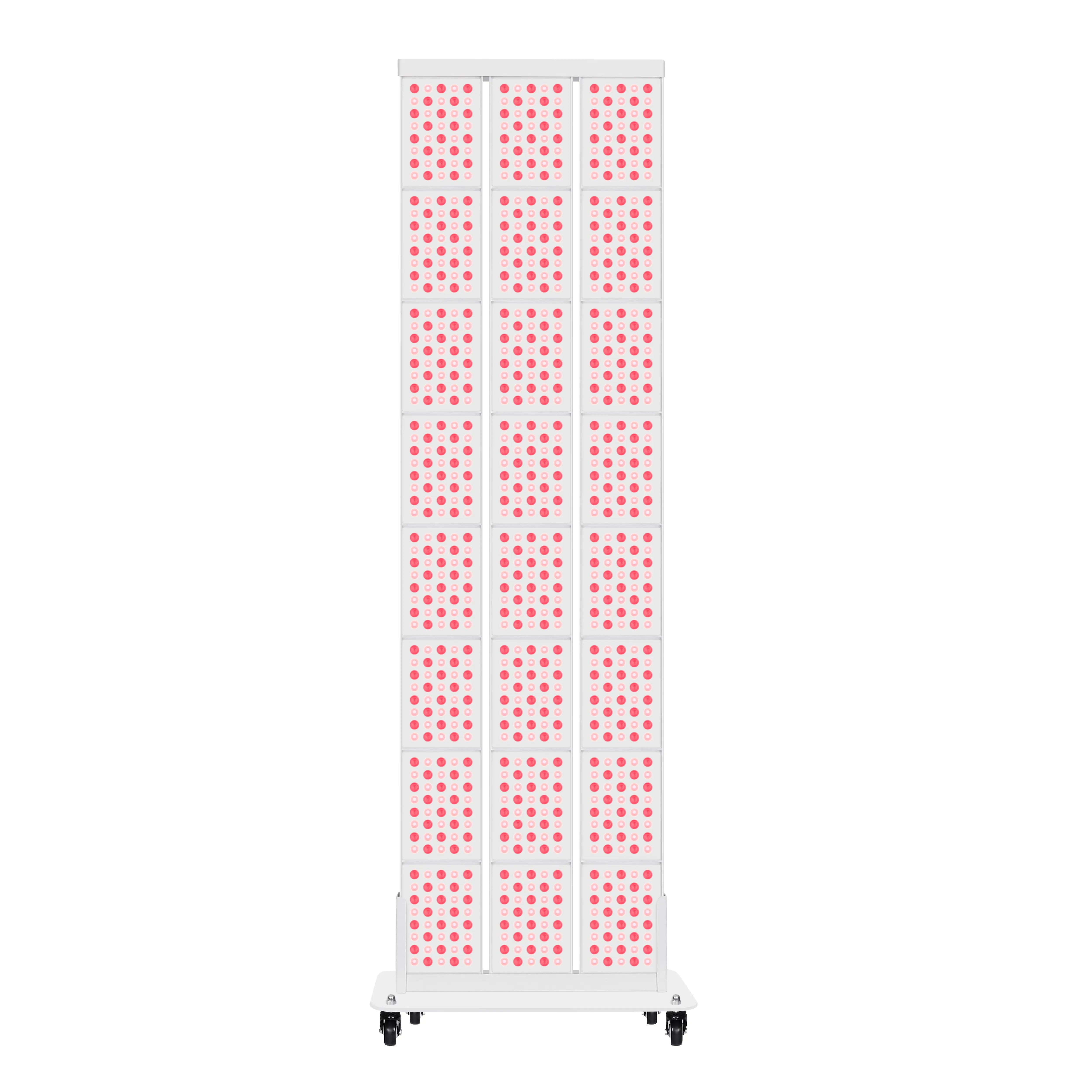
To implement this, position yourself 6–12 inches from a high-power device like the 1500W high-power red light therapy panel for athletes. Focus on the primary muscle groups you intend to train (e.g., quads before a leg day). A short session of 3–5 minutes per area is sufficient to trigger the "warm-up" effect at a cellular level.

Post-Workout Recovery: The Inflammation Management Protocol
The post-workout phase is where red light therapy truly shines in reducing delayed onset muscle soreness (DOMS). Intense exercise creates micro-tears in muscle fibers and increases reactive oxygen species (ROS). PBM helps neutralize these free radicals and speeds up the inflammatory resolution phase.
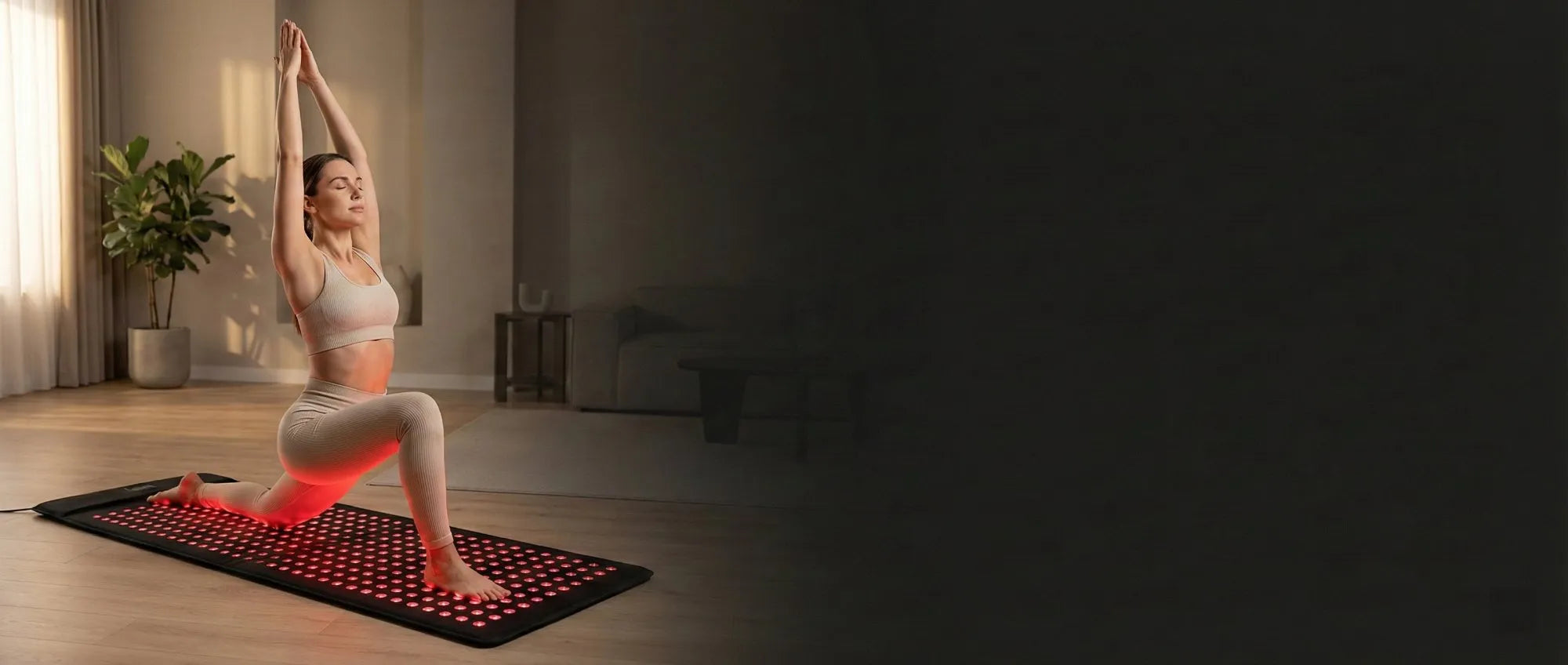
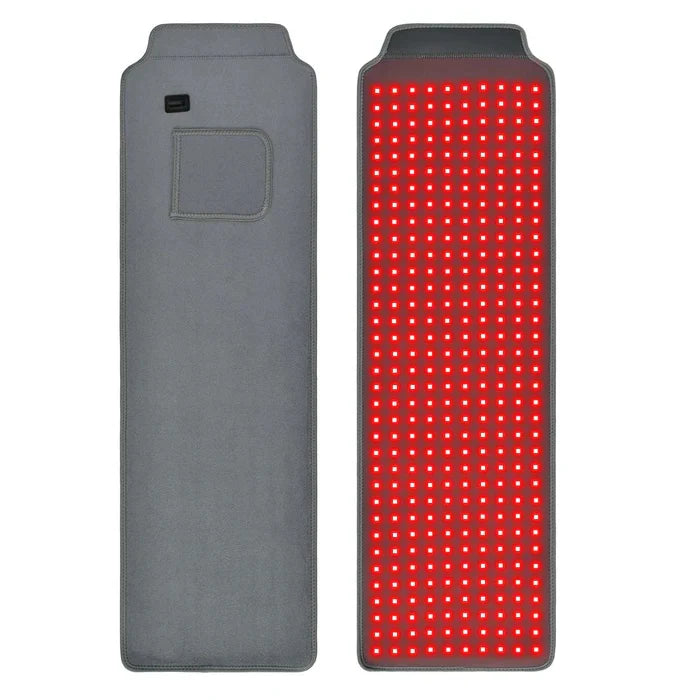
For best results, treat the fatigued areas within a few hours of completing your session. If you have performed a full-body workout, using a full-body red light therapy mat for comprehensive recovery allows for systemic treatment, ensuring that even smaller stabilizing muscles receive the benefits.
Optimizing Dosage: Power Density and Timing
Finding the "sweet spot" for optimal frequency for red light therapy sessions depends on the irradiance (power) of your device and the depth of the target tissue. Muscle tissue requires a higher dose than skin because the light must travel through multiple layers of tissue.
| Goal | Timing | Wavelength | Energy Density (J/cm²) | Duration (Est.) |
|---|---|---|---|---|
| Performance Boost | Pre-workout | 660nm + 850nm | 5 – 10 | 3 – 5 mins |
| Acute Recovery | Post-workout | 850nm (Primary) | 20 – 30 | 10 – 15 mins |
| Injury Rehab | Daily | 850nm (Primary) | 30 – 50 | 15 – 20 mins |
| Maintenance | 3x / week | 660nm + 850nm | 10 – 20 | 10 mins |
Logic Summary: Duration estimates assume a device irradiance of 100mW/cm² at 6 inches. If your device is less powerful, you must increase the time proportionally to achieve the target Joules (Energy = Power x Time).
Targeted vs. Full-Body Recovery Strategies
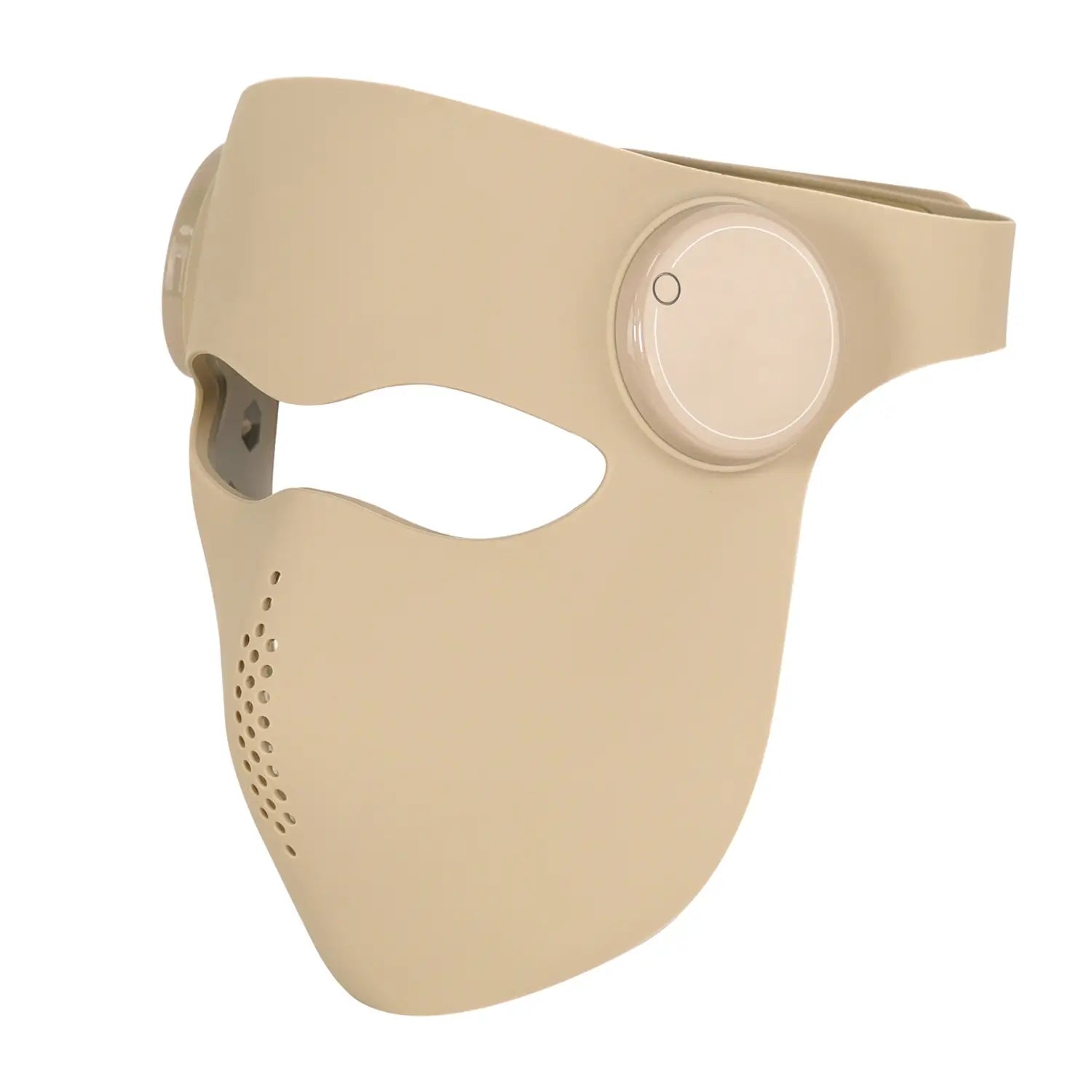
While large panels are excellent for general wellness, specific injuries often require a more concentrated approach. For instance, runners dealing with IT band syndrome or calf strains may benefit from targeted red light therapy belts for specific muscle groups. These wearable devices maintain a consistent distance from the skin, ensuring a stable dose even if you move.
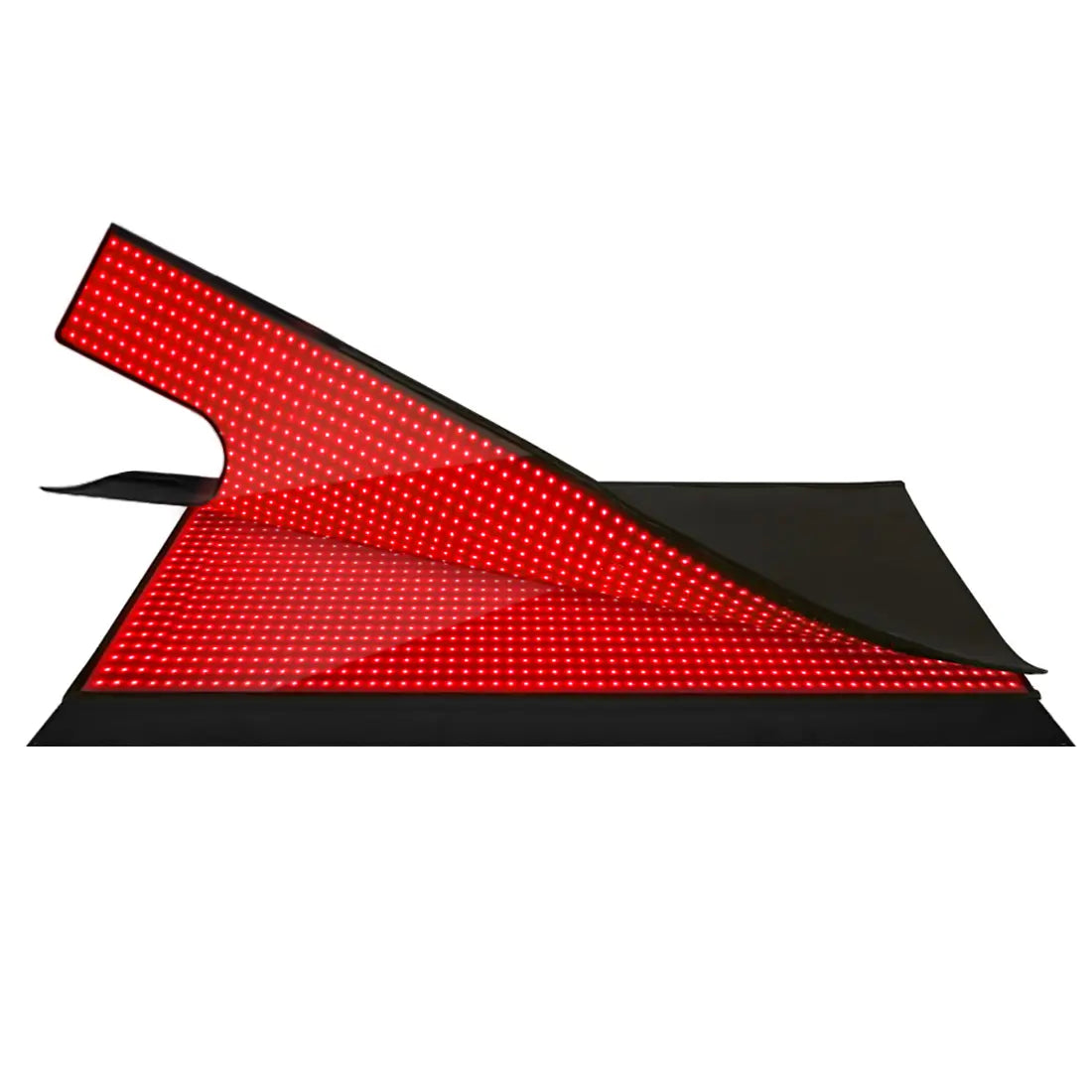
Conversely, for elite athletes with high training volumes, overnight recovery can be a game-changer. A full-body red light therapy sleep bag for overnight recovery provides a low-intensity, long-duration exposure that supports the body's natural circadian repair processes.
Advanced Strategies: Stacking with Sauna and Cold Plunge
A common question among biohackers is how to sequence red light therapy with other recovery modalities like heat and cold.
- RLT and Sauna: It is generally recommended to use red light before the sauna. Heat increases blood flow, which can actually scatter the light photons and slightly reduce penetration depth. Using RLT first ensures maximum absorption.
- RLT and Cold Plunge: Avoid using red light therapy immediately after a cold plunge. Cold causes vasoconstriction, which limits the delivery of the ATP produced by the light therapy. Wait at least 1–2 hours after cold exposure, or better yet, use RLT before the cold plunge to protect the cells from cold-induced stress.
FAQ
How long to use red light therapy for muscle soreness? For effective relief of muscle soreness, sessions should typically last between 10 to 20 minutes per treatment area. The goal is to deliver an energy dose of approximately 20–30 J/cm² to the deep muscle tissue. Using a high-irradiance panel allows you to achieve this dose faster than with lower-powered consumer devices.
Is it better to do red light therapy pre or post workout? Both timings offer unique benefits, but the "best" time depends on your primary goal. Pre-workout use is superior for enhancing performance, increasing endurance, and preventing injury through pre-conditioning. Post-workout use is more effective for reducing inflammation, minimizing DOMS, and accelerating the overall repair process of the muscle fibers.
Can I use red light therapy every day for recovery? Yes, daily use is generally safe and often recommended for athletes in high-intensity training blocks. However, most clinical studies show that 3 to 5 sessions per week are sufficient for maintaining peak performance. It is important to avoid "over-dosing" a single area; once you reach the optimal energy density, further exposure provides diminishing returns and may even lead to temporary cellular fatigue.
Does red light therapy work through gym clothes? Red light therapy is most effective when applied directly to clean, bare skin. While some near-infrared light (850nm) can penetrate thin, light-colored fabrics, most red light (660nm) will be reflected or absorbed by the clothing. To ensure you are receiving the full calculated dose, it is best to expose the target muscle group directly to the light source.
How soon will I see results from a recovery protocol? Many users report a noticeable reduction in muscle tightness and acute pain immediately after a single session. However, the most significant benefits for muscle recovery and performance enhancement typically emerge after 2 to 4 weeks of consistent use. This cumulative effect is due to the gradual improvement in mitochondrial density and overall cellular health.
Can red light therapy help with tendon and ligament injuries? Yes, the 850nm wavelength is particularly effective for reaching the relatively avascular tissue of tendons and ligaments. Because these tissues have less blood flow than muscles, they often take longer to heal. Consistent application of red light therapy can stimulate collagen production and increase the rate of repair in these stubborn areas.
References
Government / Standards / Regulators
- FDA, "CFR - Code of Federal Regulations Title 21: Light Based Devices," FDA.gov
- National Institutes of Health (NIH), "Photobiomodulation in Human Muscle Tissue," PubMed Central
Industry Associations / Research Institutes
- North American Association for Photobiomodulation Therapy (NAALT), "Clinical Guidelines for PBM Dosage," NAALT.org
- International Society for Laser Medicine and Surgery (ASLMS), "PBM for Athletic Performance," ASLMS.org
Academic / Whitepapers / Labs
- Ferraresi, C., et al. "Photobiomodulation in human muscle tissue: an advantage in sports performance?" Journal of Biophotonics, 2016.
- Leal-Junior, E. C., et al. "Effect of phototherapy (low-level laser therapy and light-emitting diode therapy) on exercise performance and markers of exercise-induced muscle damage," Lasers in Medical Science, 2015.
Platform Official Docs
- Youlumi Support, "Device Irradiance and Safety Standards," [internal://support/faq]