
The Rationale for Stacking Red Light and NAD+ IVs
In the field of advanced recovery, the combination of Red Light Therapy (RLT) and NAD+ IV infusions is frequently discussed as a potent "cellular energy stack." The theoretical framework is based on a dual-action approach: NAD+ provides the essential substrate (fuel) for energy production, while red light therapy aims to optimize the mitochondrial machinery (the engine) that processes that fuel.
However, as of 2026, it is vital to distinguish between biological plausibility and confirmed clinical outcomes. While both modalities are supported by independent research, direct human trials measuring their combined synergy are currently limited. This stack is best viewed as an experimental protocol for individuals looking to support metabolic health through complementary pathways, rather than a guaranteed medical treatment.

Evidence Status Overview (2026 Update)
To help users navigate the current landscape, the following table summarizes the strength of evidence for each component of this stack based on current clinical literature:
| Component | Evidence Level | Key Findings (2026) | Certainty/Gaps |
|---|---|---|---|
| Red Light Therapy (PBM) | High | Strong evidence for muscle recovery, skin health, and localized inflammation reduction. | High certainty for localized effects; systemic effects still being quantified. |
| NAD+ IV Therapy | Moderate | Observed increases in systemic NAD+ levels; anecdotal and retrospective support for cognitive clarity and fatigue management. | Lacks large-scale, long-term randomized controlled trials (RCTs) for general wellness. |
| Combined Stack | Low/Theoretical | Mechanistic synergy is plausible based on mitochondrial pathways. | Major Gap: No published human trials specifically measuring the "stacking" effect vs. individual use. |
Mechanisms: How the Stack Works (Theoretically)
The pairing focuses on the mitochondria—the organelles responsible for producing Adenosine Triphosphate (ATP).
- NAD+ (The Substrate): Nicotinamide Adenine Dinucleotide is a coenzyme essential for the Electron Transport Chain (ETC). A deficiency in NAD+ can lead to reduced efficiency in converting nutrients into ATP. Retrospective reviews of NAD infusions suggest that IV delivery bypasses the digestive system, though individual responses to dosage vary significantly.
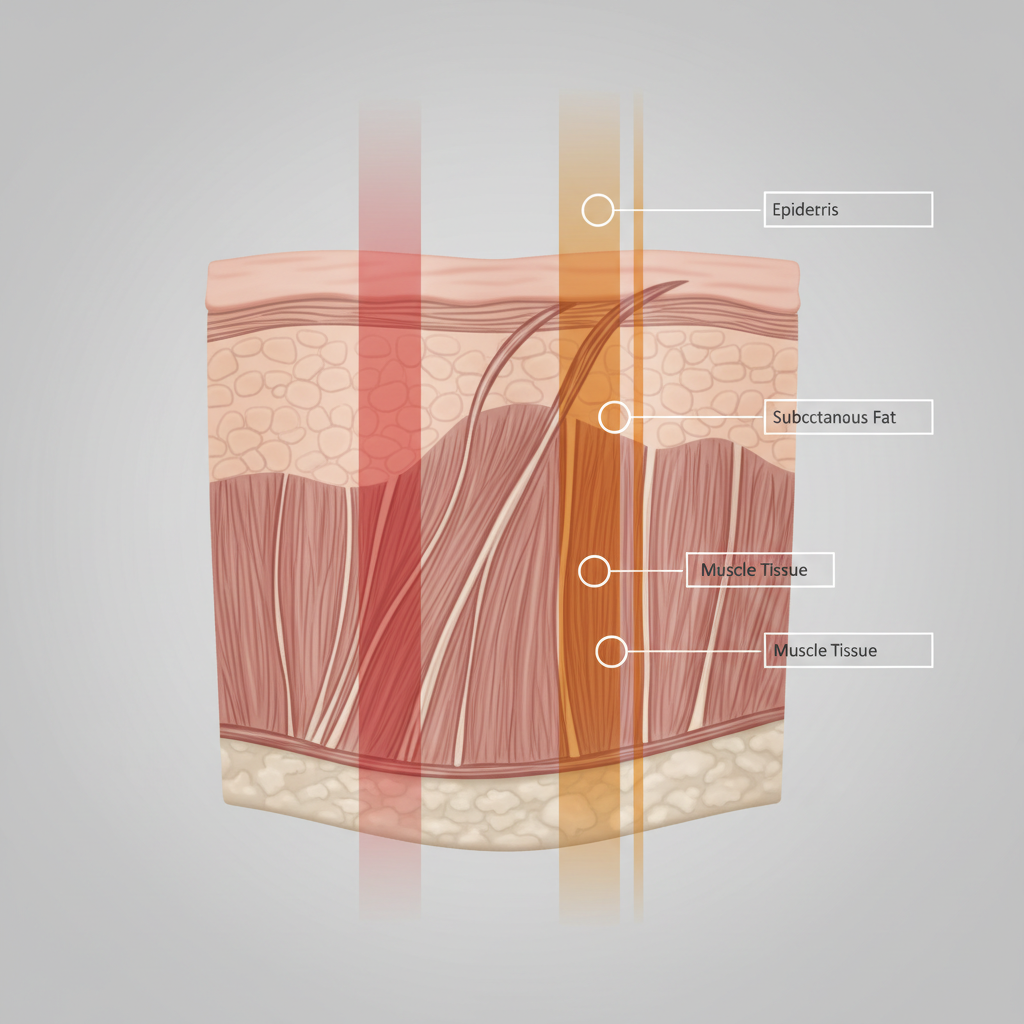
- Red Light Therapy (The Catalyst): Photobiomodulation (PBM) uses specific wavelengths (typically 660nm and 850nm) to interact with Cytochrome c Oxidase. This interaction is thought to enhance ETC efficiency and modulate redox signaling. A comprehensive review on photobiomodulation highlights its role in supporting cellular bioenergetics.
The Synergy Hypothesis: By providing the "fuel" (NAD+) and "tuning the engine" (RLT), the goal is to support a more robust metabolic baseline.
Practical Protocols: Timing and Sequencing
Because NAD+ IVs require clinical supervision and RLT is often performed at home, coordination is key. The following protocols are based on common patterns observed in wellness clinics for healthy individuals.
The "Buffer" Strategy
A common practice is to maintain a 24-hour buffer between a high-dose NAD+ IV and an intensive RLT session. This allows the body to stabilize after the metabolic shift of the infusion before introducing the signaling "pull" of light therapy.
| Phase | Modality | Typical Range | Goal |
|---|---|---|---|
| Foundation | Red Light Therapy | 3–5x per week | Mitochondrial maintenance |
| The Boost | NAD+ IV Infusion | 250mg–500mg (Starting) | Substrate replenishment |
| Recovery | Rest / Hydration | 24h Post-IV | Manage metabolic stabilization |
Practical Sequencing for Red Light Therapy and NAD+ IV
Practical Sequencing for Red Light Therapy and NAD+ IV chart.
View chart data
| Category | Illustrative timing window (minutes) |
|---|---|
| RLT session | 15.0 |
| Separation buffer | 180.0 |
| NAD+ IV infusion | 240.0 |
Individualized Adjustments
- If you feel fatigued after RLT: Reduce session time by 50% or increase the buffer after your IV to 48 hours.
- If you are new to NAD+: Start with the lower end of the dosage range (e.g., 250mg) to assess your tolerance to the "NAD+ flush."
Sample Weekly Schedule
- Mon/Wed/Fri: 10–15 minute RLT session (Full body).
- Tuesday: NAD+ IV Infusion at a supervised clinic.
- Wednesday: Rest day. Focus on hydration and electrolytes. No RLT.
- Thursday: Resume RLT at a lower intensity to support post-infusion activity.

Safety, Risks, and Red Flags
While generally considered low-risk for healthy populations, this combination involves medical-grade procedures that require professional screening.
Who Should Avoid This Stack?
- Active Cancer Patients: Potential for metabolic stimulation of all cell types requires strict oncological clearance.
- Pregnant or Nursing Individuals: Insufficient safety data for high-dose NAD+ infusions.
- Kidney or Heart Disease: IV fluids and metabolic shifts can place stress on these systems.
- Severe Needle Phobia: May exacerbate stress responses during IV administration.
When to Seek Immediate Medical Attention (Red Flags)
If you experience any of the following during or after your protocol, stop immediately and contact a healthcare provider:
- Sudden shortness of breath or severe chest pain (distinct from the temporary "heavy chest" of an NAD+ flush).
- Fainting, severe dizziness, or loss of consciousness.
- Signs of an allergic reaction (hives, swelling of the face/throat).
- Persistent, severe headaches that do not resolve with hydration.
Common Side Effects
- The "NAD+ Flush": Temporary nausea or chest pressure during the drip. Fix: Ask the clinician to slow the drip rate.
- RLT Over-exposure: Sessions exceeding 20–30 minutes per area may lead to "diminished returns" or temporary lethargy. Fix: Adhere to manufacturer distance and time guidelines.
Choosing Equipment to Match Clinical Standards
To complement clinical-grade IVs, your home RLT equipment should meet specific technical benchmarks to ensure effective light delivery.
- Irradiance (Power Density): Target devices that provide at least 100mW/cm² at a 6-inch distance. This ensures sufficient photon density to reach deeper tissues.
- Wavelength Accuracy: Verify the use of 660nm (Red) and 850nm (Near-Infrared) for optimal mitochondrial interaction.
- EMF Mitigation: Quality panels should be shielded to ensure negligible EMF exposure during close-range use.
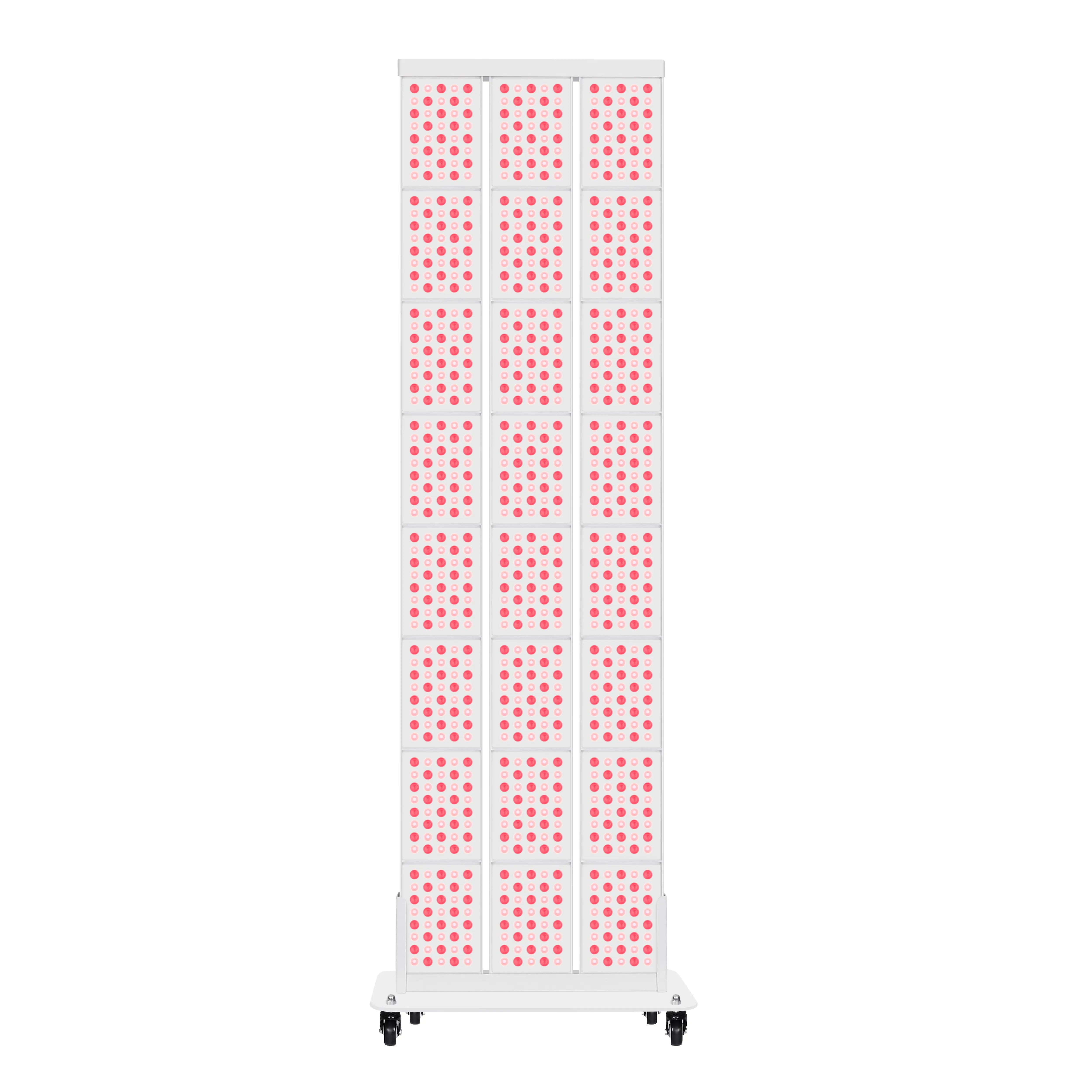
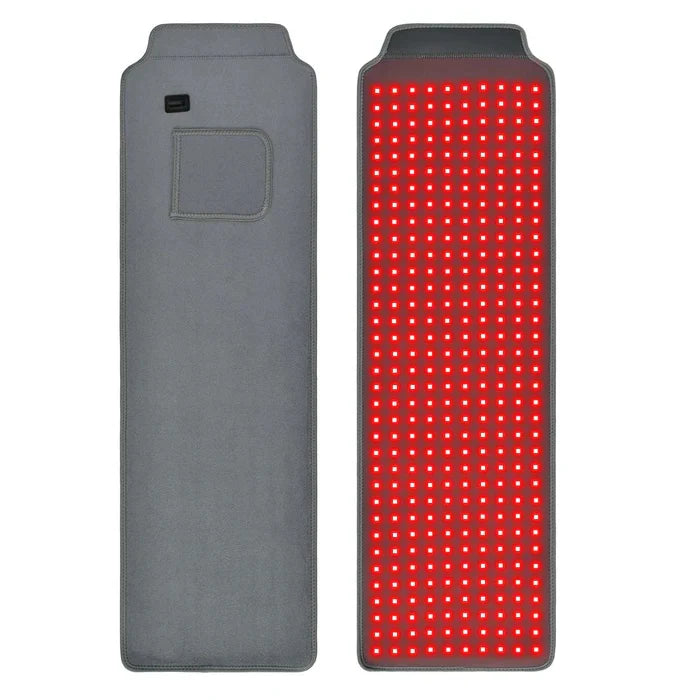
For those establishing a high-performance home environment, the YOULUMI IRP010-06L 1700W Red Light Therapy Panel offers the power density required for full-body protocols. For a more restorative, passive experience, the Youlumi Red Light Therapy Sleep Bag provides systemic exposure during rest.
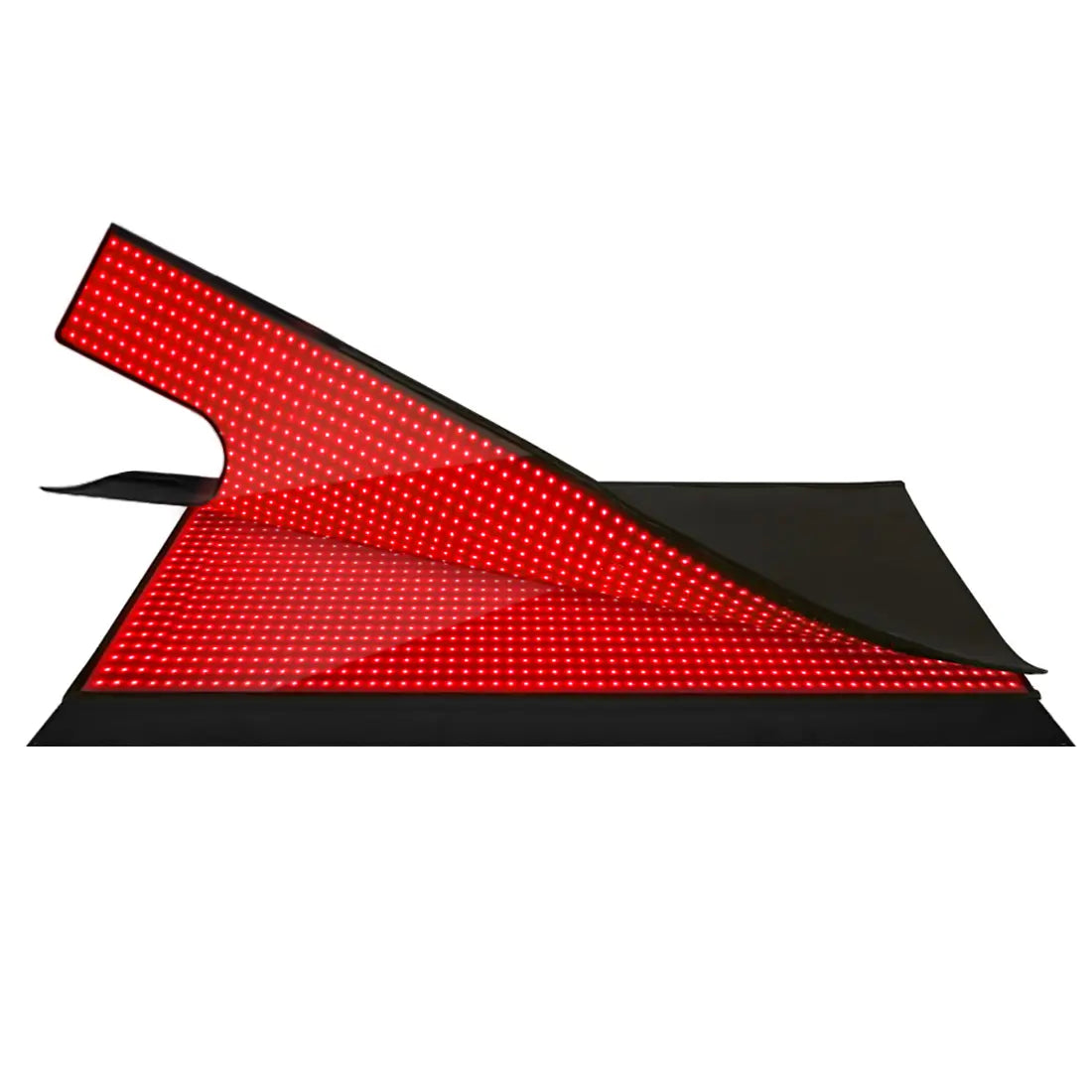
For targeted applications, the YOULUMI Red Light Therapy Belt or our red light therapy panel collection can be integrated into post-IV recovery days.
Final Thoughts on Cellular Support
Stacking red light therapy with NAD+ IVs is a sophisticated strategy for those who have already optimized the foundations of sleep, nutrition, and movement. While we await more direct clinical synergy studies, the underlying science of mitochondrial support provides a compelling rationale for this combination.
Key Takeaways:
- Start Slow: Use the 24-hour buffer to monitor how your body responds to the combined metabolic load.
- Quality Matters: Pair reputable clinical IV providers with high-irradiance RLT devices.
- Professional Guidance: Always consult with a physician to determine the appropriate NAD+ dosage and frequency for your specific health profile.
For further reading on optimizing recovery, explore our guides on red light therapy for muscle recovery and protocols for pro athletes.
Medical Disclaimer: This content is for informational purposes only and does not constitute medical advice. NAD+ IV therapy is a medical procedure that must be performed by licensed professionals. Red light therapy is a wellness tool and not a replacement for medical treatment. Always consult your physician before starting new health protocols.