
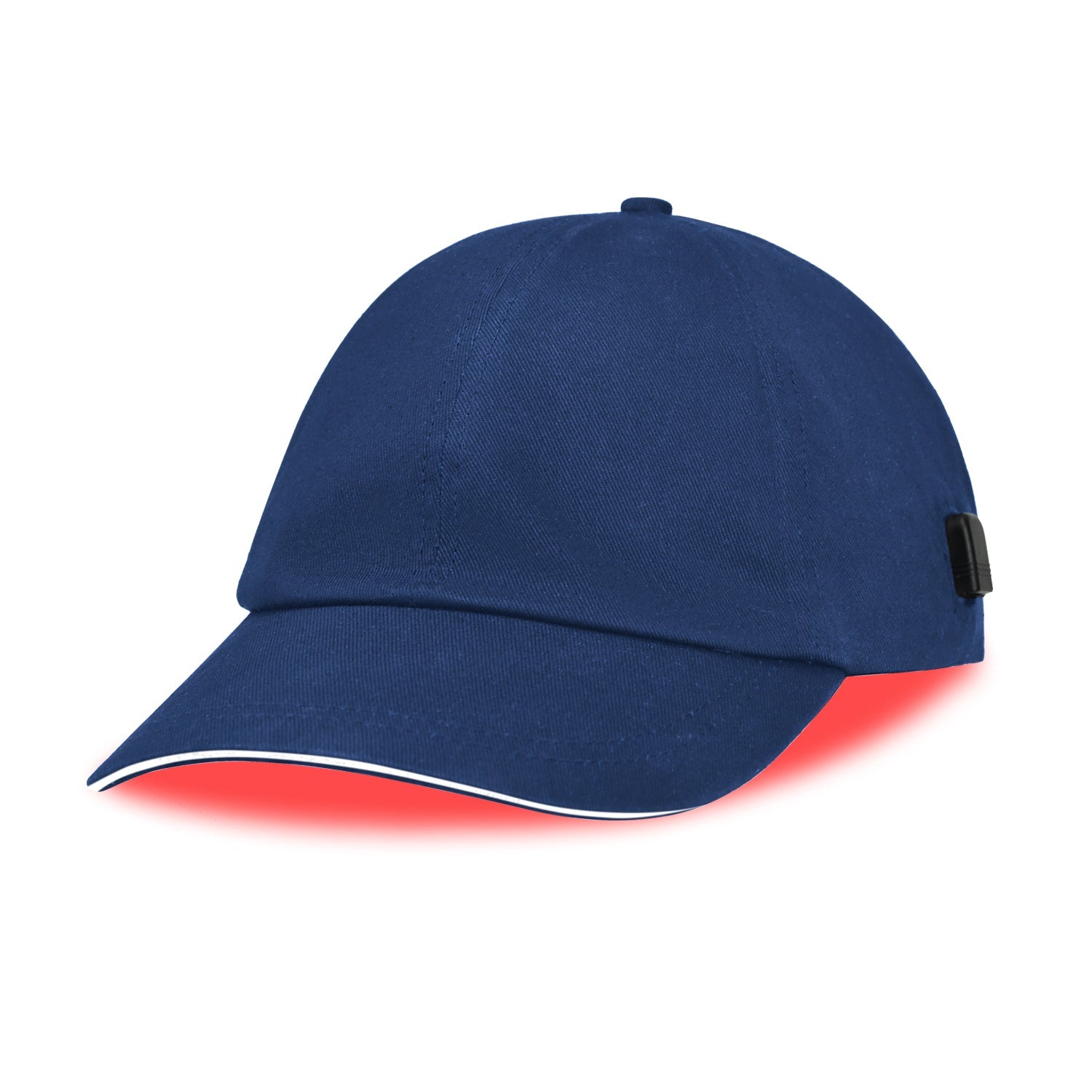
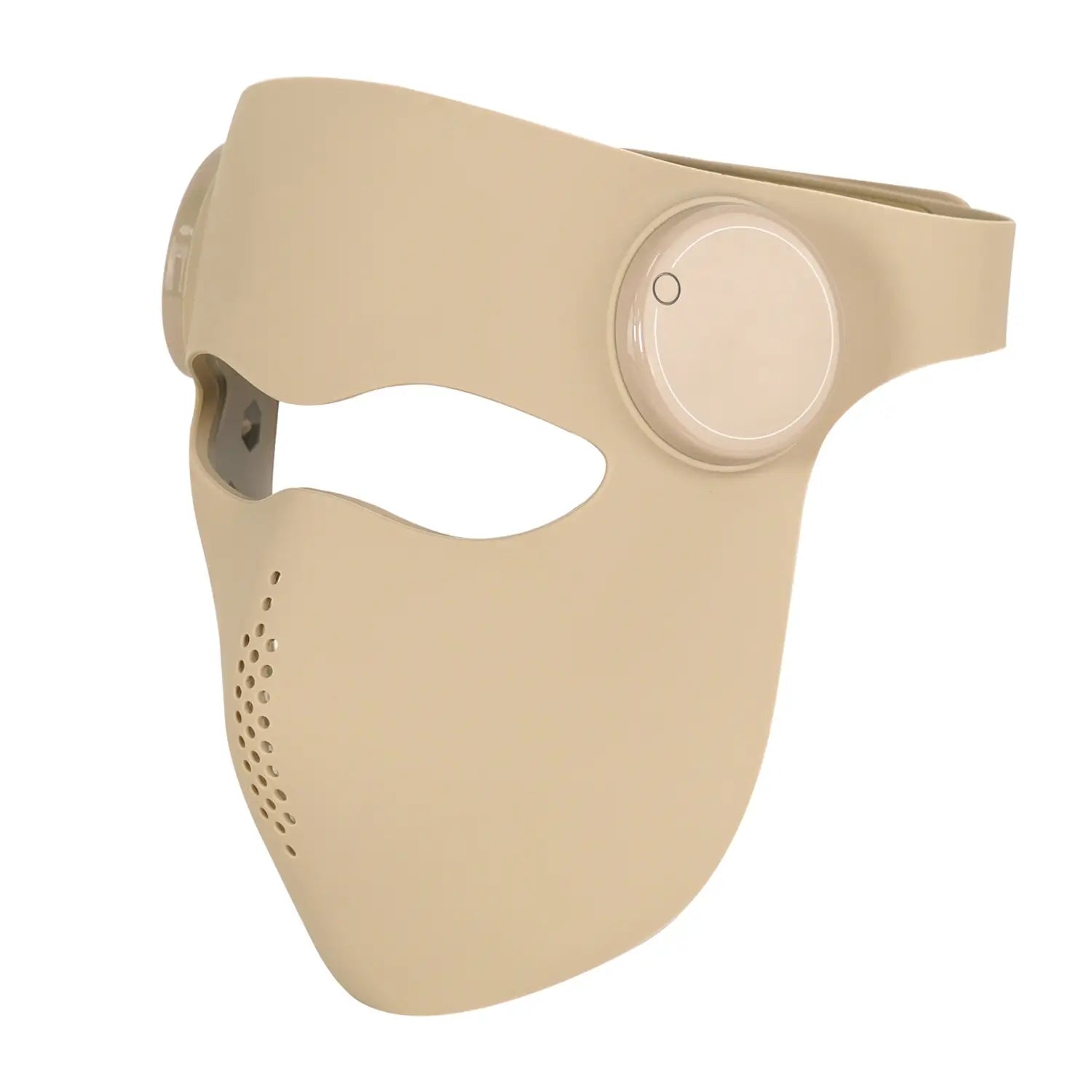
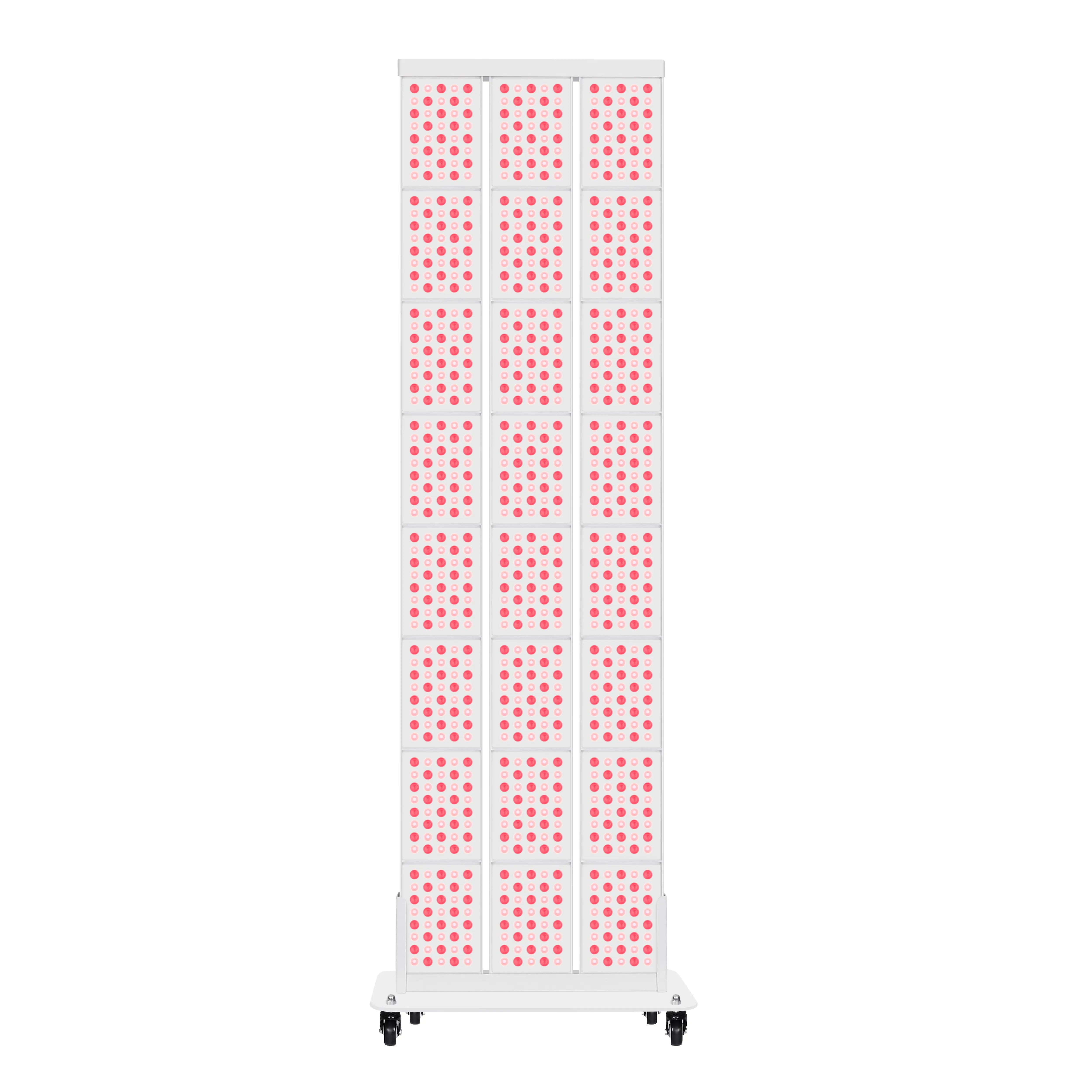
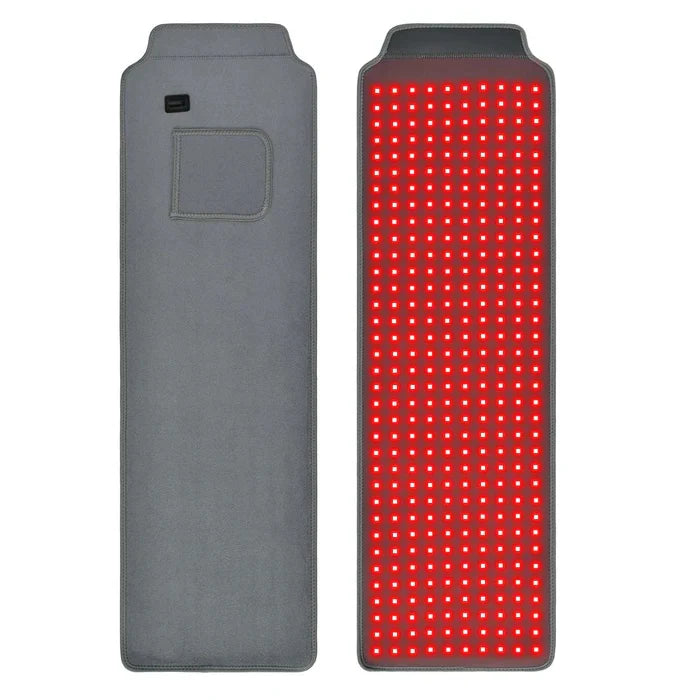
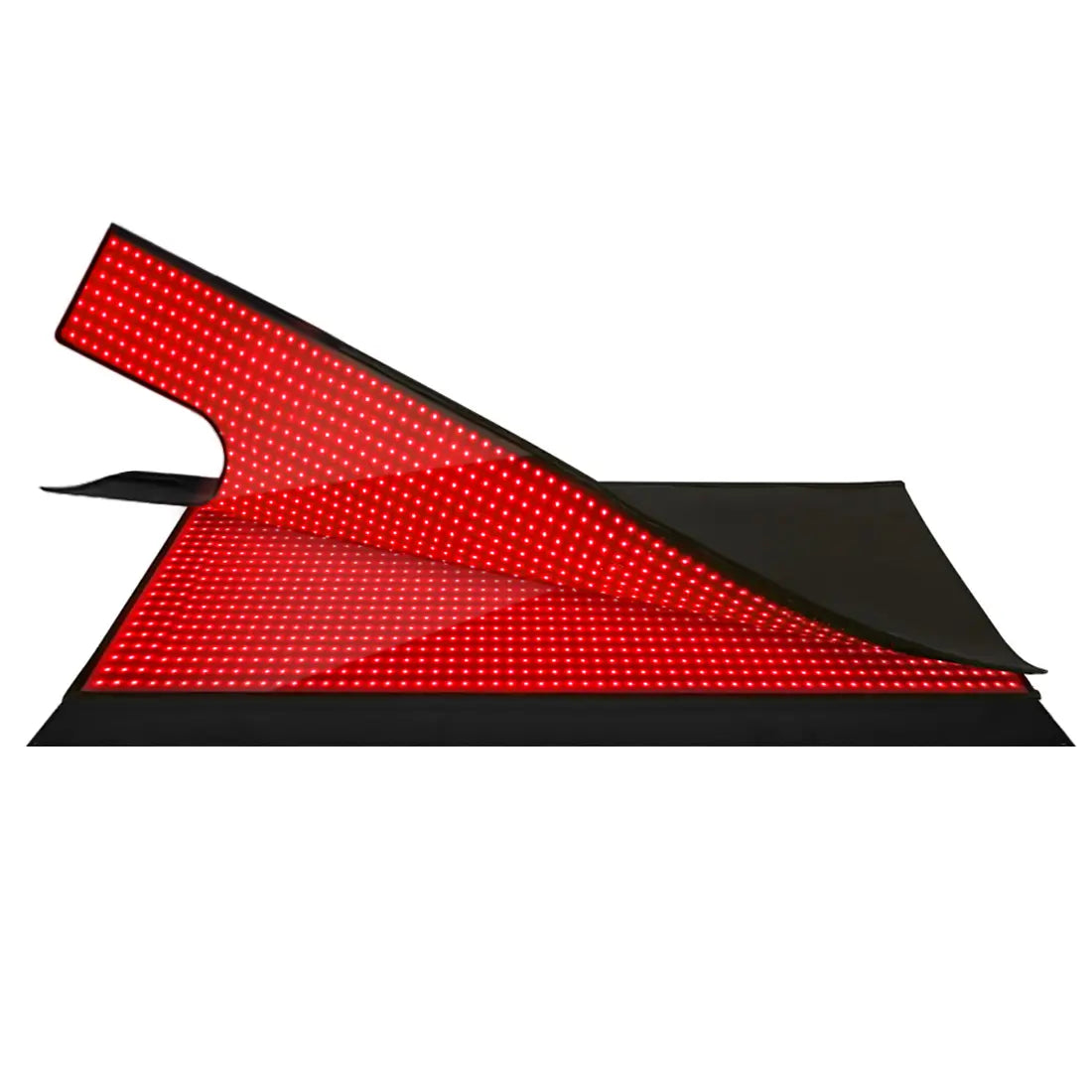
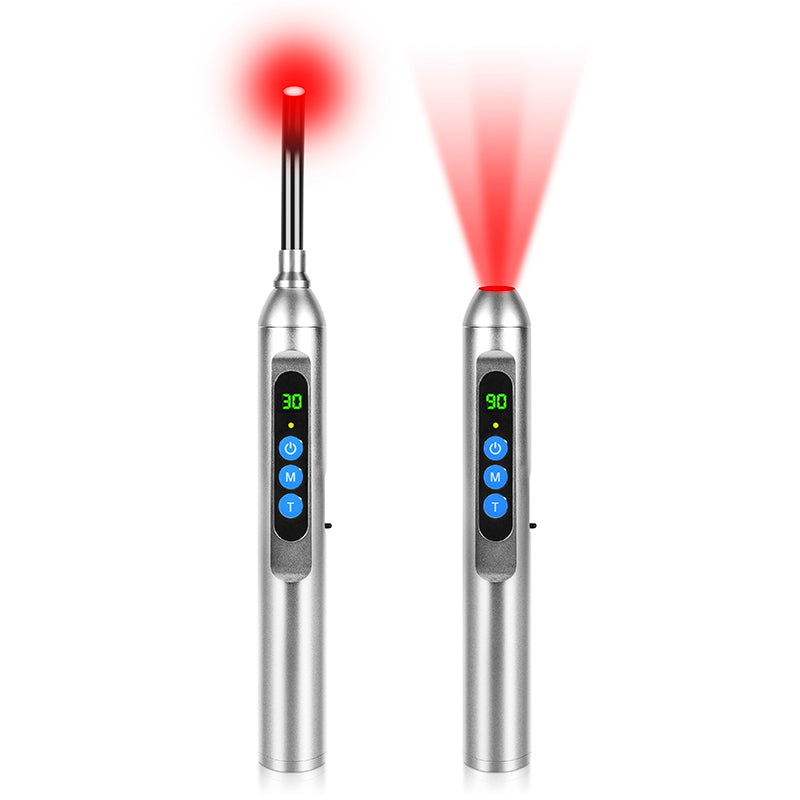

Red light therapy has gone from a weird corner of sports science to something you now see in physical therapy clinics, elite training centers, and home gyms. As someone who has spent years testing panels, lasers, and pads on my own training and on athletes who want every legal edge, I can tell you this: the technology is real, the mechanisms are fascinating, and the marketing is often several steps ahead of the data.
If you lift heavy, log serious miles, or just want to feel less wrecked after workouts, understanding how red light therapy actually interacts with muscle is the difference between biohacking and just buying an expensive red lamp. Let’s walk through what the science really says, how to use it intelligently, and where the hype exceeds the evidence.
What Is Red Light Therapy?
Red light therapy is a noninvasive treatment that uses specific wavelengths of red and near‑infrared light at low power to influence how cells behave. In the scientific literature you will see terms like photobiomodulation, low‑level light therapy, low‑level laser therapy, and light‑emitting diode therapy. All of these describe the same basic idea: you expose tissue to red or near‑infrared light at levels that do not heat or burn it, and you get biological changes rather than thermal damage.
Most therapeutic devices concentrate on red wavelengths roughly in the 600–700 nanometer range and near‑infrared wavelengths roughly from 700–1100 nanometers. Red light tends to affect more superficial tissues such as skin and superficial muscle, while near‑infrared penetrates deeper into muscle, fascia, tendons, ligaments, and even bone.
Clinically and in wellness settings, red light therapy is used for skin rejuvenation, wound healing, pain modulation, joint problems such as arthritis and tendonitis, and increasingly for athletic performance and muscle recovery. Major medical centers such as MD Anderson Cancer Center and University Hospitals use low‑level laser or red light therapy in pain programs and wound‑related complications, while dermatology groups and Stanford physicians highlight its established role in skin and hair. When it comes to muscle, the mechanisms are compelling and human trials are promising, but they are not as definitive as the marketing often suggests.

How Red Light Interacts With Muscle Tissue
To understand why athletes and rehab clinicians are so interested in red light therapy, you need to understand what it does at the cellular level.
Mitochondria and ATP: Charging the Muscle Battery
The core mechanism lives in the mitochondria, the energy factories inside your cells. Red and near‑infrared light are absorbed by an enzyme in the mitochondrial electron transport chain called cytochrome c oxidase. Several reviews, including work summarized by Deeply Vital Medical and a major human‑muscle photobiomodulation review, describe the same cascade: when cytochrome c oxidase absorbs these wavelengths, it temporarily displaces nitric oxide that can block the enzyme, and it boosts the rate of electron transport.
The result is an increase in production of adenosine triphosphate, the chemical energy your muscle cells use to contract and to repair themselves after training. In practice, more ATP means muscle fibers can manage contract‑relax cycles more efficiently during a workout and have more energy available to run the complex repair and remodeling processes afterward. Studies in human muscles have shown that red and near‑infrared pre‑conditioning can increase maximum voluntary isometric contraction, torque, and fatigue resistance in certain protocols, particularly when dosing is within a specific therapeutic window.
Nitric Oxide, Blood Flow, and Waste Clearance
Red light therapy also affects blood flow. When cytochrome c oxidase releases nitric oxide, that nitric oxide diffuses out of cells and causes vasodilation, the widening of blood vessels. Multiple sources—including Elevate Health, Deeply Vital Medical, and the human‑muscle photobiomodulation literature—note that this vasodilation increases circulation, improves oxygen and nutrient delivery, and speeds removal of metabolic waste products such as lactate.
Better circulation after hard training is not just about comfort. It supports faster clearance of the byproducts that contribute to delayed onset muscle soreness and allows immune and repair cells to reach damaged fibers more rapidly. Some studies on whole‑body or muscle‑targeted red light have reported reduced creatine kinase (a marker of muscle damage), lower inflammatory markers such as interleukin‑6, and less self‑reported soreness when light is applied either shortly before or after intense exercise.
Inflammation, Oxidative Stress, and Pain
Hard training is basically controlled tissue damage plus inflammation, and both are double‑edged swords. You need some inflammatory signaling to trigger adaptation, but excessive or prolonged inflammation and oxidative stress slow recovery and increase pain.
Red light therapy seems to modulate, rather than simply suppress, these processes. Deeply Vital Medical and Physio‑Pedia describe how red and near‑infrared light influence reactive oxygen species, cytokine production, and antioxidant defenses. The general pattern in lab and clinical studies is that light exposure can bring an overactive inflammatory response back toward baseline and upregulate antioxidant enzymes such as superoxide dismutase.
For athletes and physically active people, the most relevant outcomes are pain and soreness. Several human trials summarized in the photobiomodulation reviews and by providers such as Physical Achievement Center, Synergy Physical Therapy, and Medco Athletics report reductions in delayed onset muscle soreness, joint pain, and exercise‑related discomfort when red light is used in carefully designed pre‑ or post‑exercise protocols. Red light therapy also modulates nerve activity, which can blunt pain signals, and there are reports of benefits in conditions like arthritis and neuropathy, although these chronic pain indications are still being studied.
Structural Repair: Collagen, Tendons, and Stem Cells
Muscle recovery is not just about clearing soreness; it is also about rebuilding structure. Several sources describe how red light therapy stimulates fibroblasts and keratinocytes, increases collagen synthesis, and promotes angiogenesis, the growth of new capillaries.
Collagen is a key structural protein in tendons, ligaments, and the connective tissue that integrates muscle fibers. By enhancing collagen production and improving blood supply, red light therapy may help tendons and ligaments adapt to load and recover from micro‑injury more efficiently. Deeply Vital Medical notes that red light can strengthen not just skin, but also tendons, ligaments, blood vessels, and even bone, potentially lowering injury risk and improving overall structural integrity over time.
There is also evidence that red and near‑infrared light can stimulate stem cell proliferation and migration toward sites of injury. That matters for long‑term tissue regeneration, especially in chronic overuse problems where you want new, healthy cells to replace damaged ones.
Hormones, Sleep, and Systemic Recovery
Not all benefits show up directly inside muscle fibers. City Fitness and Poll to Pastern highlight that red light therapy appears to influence hormonal balance and circadian rhythm, and these systemic effects can indirectly improve muscle recovery.
On the hormonal side, red light has been reported to help regulate hormones such as cortisol and testosterone. You should not expect a therapy lamp to replace sleep, nutrition, or resistance training for hormone optimization, but more stable cortisol patterns and healthier testosterone levels are absolutely relevant to muscle maintenance, energy, stress resilience, and performance.
Sleep may be the bigger lever. Red light exposure, especially in the evening, can help reinforce circadian rhythm rather than disturb it. Several users and clinicians report better subjective sleep, reduced stress, and decreased pain and inflammation after whole‑body sessions, with some people noticing changes within hours or days and more substantial improvements over eight to twelve weeks of consistent use. Because high‑quality sleep is when most muscle repair and growth actually occurs, anything that nudges your sleep from mediocre toward solid is effectively a recovery tool.
What The Science Says About Muscle Recovery
Mechanisms are interesting, but the real question is simple: does red light therapy actually help muscles perform better or recover faster in real humans?
Overview of Clinical Evidence
One of the more substantial reviews of photobiomodulation in human muscle tissue searched the literature up to late 2016, identified 993 records, and included 46 clinical studies with a total of 1,045 participants. The bulk of these were randomized, double‑ or triple‑blind, placebo‑controlled trials, with some case‑control studies, mostly in healthy volunteers and athletes. Target muscles included elbow flexors, quadriceps, hamstrings, and calf muscles, and outcomes ranged from strength, torque, and number of repetitions to biochemical markers like creatine kinase, lactate, and C‑reactive protein.
The short version is that photobiomodulation often—but not always—improved performance and recovery metrics. Pre‑conditioning before exercise frequently increased repetition counts, extended time to exhaustion, and reduced markers of muscle damage. Post‑exercise treatments sometimes attenuated strength loss and soreness. However, some protocols showed no measurable benefit despite seemingly similar devices and doses.
Physio‑Pedia synthesizes this by stating that the overall evidence for muscle recovery and performance is mixed. Some protocols clearly reduce delayed onset muscle soreness and biochemical damage markers, while others do not. The variability appears to come down to wavelength, total dose, dose per site, muscle size, and timing relative to exercise.
Pre‑Conditioning Before Exercise
Using red light therapy as a pre‑workout “primer” is one of the most compelling approaches, both in preclinical and human data.
Animal studies suggest strong time‑dependence. In ladder‑climb models, mice that received photobiomodulation three to six hours before exercise showed massive improvements in workload compared with sham, while light given only minutes before exercise had little effect. Translating that timing directly to humans is not straightforward, but it does hint that the light needs time to trigger mitochondrial and gene‑expression changes before you test performance.
In humans, several randomized trials applying red or near‑infrared light to elbow flexors or quadriceps before resistance exercise found meaningful benefits. Protocols using wavelengths between about 655 and 830 nanometers, applied across multiple points for short durations, increased repetitions to fatigue, extended time to task failure at around 75 percent of maximal contraction, and in some cases reduced lactate, creatine kinase, and C‑reactive protein compared with placebo.
In real‑world sport settings, a study in professional volleyball players found that photobiomodulation delivered about 40–60 minutes before matches prevented the usual rise in creatine kinase and maintained better muscle condition for several days. University Hospitals reports that red light therapy used just before intense activity can lower levels of an enzyme associated with muscle achiness and damage.
However, not all pre‑conditioning trials were positive. A triple‑blind crossover study using 808‑nanometer laser on multiple points of the biceps found no significant improvements in repetitions, lactate, or electromyography‑assessed fatigue compared with placebo. That same inconsistency shows up in some Wingate tests, where high‑intensity cycling performance failed to improve despite reductions in damage markers.
All of this supports a pattern I emphasize with athletes: pre‑conditioning can be powerful, but only if device wavelength, coverage, dose, and timing are in the right ballpark. When those parameters are off, you can easily get “nothing happened” outcomes.
Post‑Exercise Recovery and Training Adaptations
The other major strategy is to use red light therapy after training to speed recovery and enhance adaptations.
Several studies summarized by Synergy Physical Therapy and the photobiomodulation review found that applying light after strength training sessions increased knee extensor peak torque, total work, and even muscle hypertrophy compared with training alone. One placebo‑controlled twin study reported that post‑training photobiomodulation enhanced muscle growth, upregulated genes linked to hypertrophy, and reduced biochemical markers of damage and inflammation such as creatine kinase.
Other trials applying light after eccentric exercise on elbow flexors reported slower declines in isometric force, less loss of range of motion, and reduced soreness for up to ninety‑six hours, although improvements in biochemical markers were modest or appeared only at selected time points.
Longer‑term programs in older adults also benefited. In elderly women, adding photobiomodulation to strength training increased peak torque and total work, suggesting that red light can help preserve or enhance muscle power in aging populations.
Red Light Therapy Versus Cryotherapy
Many athletes still default to ice baths or cryotherapy for recovery. A 2019 review discussed by Medco Athletics compared red light therapy directly with cryotherapy across three clinical trials and two animal studies.
Across all five studies, red light therapy was consistently superior to cryotherapy for key recovery outcomes. It reduced delayed onset muscle soreness and muscle inflammation more effectively, and only red light therapy reduced creatine kinase, indicating a more direct protective effect on muscle damage. Cryotherapy mainly works through vasoconstriction and reduced swelling, which may blunt inflammation but does little to drive deeper cellular repair or adaptation.
This does not mean cryotherapy is useless, but it does suggest that if you are choosing a single recovery modality specifically to limit muscle damage and soreness after hard training, red light therapy currently has stronger comparative evidence.
Reconciling Hype With Skepticism
At this point you might think red light therapy sounds like a legal performance enhancer that every athlete should be using. Yet major academic centers urge caution.
Stanford dermatologists note that while red light therapy clearly alters biology and has strong evidence in dermatology, the evidence is weak or lacking for enhanced athletic performance, faster muscle recovery, better sleep, erectile dysfunction, chronic pain, or dementia. Brown University health experts emphasize that the evidence for many popular commercial claims is limited or inconclusive and that red light should be seen as an adjunct, not a cure‑all. WebMD points out that many red‑light studies are small, short‑term, or lack proper controls and calls for larger, higher‑quality trials before firm conclusions can be drawn.
Even within sports‑oriented reviews, authors stress that results are sometimes contradictory and that differences in devices, populations, exercise tests, and dosing schemes make it hard to identify universally effective protocols. They call for standardized parameters, and some even raise the question of whether sports governing bodies might one day need to consider regulating photobiomodulation if future trials show large, consistent performance boosts.
Taken together, here is the balanced picture. Mechanistically, red light therapy has strong plausibility. Clinical data for muscle performance and recovery are promising, especially for pre‑conditioning and post‑training recovery, but they are not uniform. High‑quality institutions urge you to keep your expectations modest and your skepticism healthy, particularly when you see sweeping marketing claims or very expensive devices.
To summarize those contrasts:
Topic |
What Research Suggests For Muscle |
Where Evidence Is Weak Or Mixed |
Performance during exercise |
In some protocols, more repetitions, longer time to exhaustion, improved workload capacity |
Several trials show no change in peak power, fatigue index, or repetitions |
Recovery and soreness |
Often lower creatine kinase, less soreness, better strength retention after eccentric work |
Not every study shows DOMS reduction or faster functional recovery |
Long‑term adaptations |
In some programs, greater muscle hypertrophy and strength gains when combined with training |
Hypertrophy and total work benefits are not universal across all studies and muscle groups |
Comparison to cryotherapy |
Across five comparative studies, better at reducing soreness and damage markers |
Only a small number of direct comparison studies so far |
Overall verdict |
Mechanistically sound, clinically promising adjunct for recovery |
Not a proven standalone solution or guaranteed performance booster |
Who Stands To Gain The Most?
Different athletes and movers use their body in very different ways. The way I prioritize red light therapy changes with the person and their training style.
Strength and Power Athletes
For weightlifters, powerlifters, and bodybuilders, the main priorities are muscle damage control, joint comfort, and sustaining progressive overload over weeks and months. City Fitness and Synergy Physical Therapy both highlight red light therapy as a post‑workout strategy for strength athletes, aiming to boost cellular energy, reduce inflammation, and minimize soreness and downtime.
Clinical studies support this use case. Photobiomodulation applied to quadriceps or knee extensors after strength training has increased peak torque, total work, and sometimes hypertrophy compared with training alone. Pre‑conditioning before heavy sessions has increased repetition counts and fatigue resistance in several trials, and a twin study showed enhanced muscle growth and reduced damage markers when post‑training red light was used consistently.
In practical terms, if you are squatting, pressing, or pulling heavy loads several times per week, targeted red or near‑infrared light to the main working muscles and vulnerable joints can help you recover enough to keep pushing volume and intensity without living in a constant state of soreness.
Endurance and High‑Volume Athletes
Runners, cyclists, swimmers, and other endurance athletes focus more on fatigue resistance and the ability to train at higher volumes without breaking down. For this group, the mitochondrial and vascular effects of red light therapy are especially appealing.
Physio‑Pedia describes studies in which pre‑exercise light to the quadriceps and lower body improved oxygen uptake, ventilatory responses, and running time in some treadmill protocols, along with reductions in creatine kinase and other damage markers. The Physical Achievement Center notes that pre‑conditioning can improve mitochondrial efficiency and oxygen utilization, delaying fatigue and the shift toward heavy lactic acid production.
My bias with endurance athletes is to treat red light as a way to handle more quality work rather than a direct time‑trial booster. If light exposure allows you to add one or two extra high‑quality sessions per training block because you are less sore and less fatigued, the performance benefits will come from the extra training that your body can now tolerate.
Bodyweight Enthusiasts and Everyday Movers
If your training looks more like calisthenics, yoga, Pilates, or mixed home workouts, your limiting factor is usually localized soreness and joint irritation rather than all‑out performance. City Fitness frames red light therapy for this group as a way to reduce muscle soreness and fatigue so you can maintain a consistent schedule with fewer interruptions.
Because these approaches place a lot of cumulative stress on tendons and smaller stabilizing muscles, the collagen and tissue‑repair benefits of red light therapy can be particularly useful. And unlike high‑intensity sports, you do not need huge performance effects to feel a meaningful difference; shaving a day off your usual soreness window after a new routine can be enough to keep your consistency high.
Older Adults and People With Joint or Tendon Issues
Older adults and those managing arthritis, tendonitis, or chronic joint pain are another group that may benefit disproportionately. City Fitness points to red light therapy’s anti‑inflammatory and joint‑supporting effects as a way to improve mobility and reduce discomfort so people can stay active as they age. The photobiomodulation literature includes work in elderly women where adding light therapy to strength training increased peak torque and total work.
Major health systems like University Hospitals and MD Anderson also use or study red‑light and low‑level laser therapies for pain and musculoskeletal issues, from osteoarthritis to cancer‑related pain. The consensus from these institutions is that red light therapy can be a useful non‑drug adjunct, especially for problems closer to the skin surface, but it will not repair structural injuries such as full ligament tears that typically need mechanical or surgical solutions.

Practical Guidelines For Using Red Light Therapy
The question I get most from athletes and serious wellness people is not “Does this work?” but “Exactly how should I use it so I am not wasting my time?” Within the limits of the current evidence, here is how I think about practical implementation.
Choosing Devices and Wavelengths
Both lasers and LED devices can deliver photobiomodulation. Clinic‑grade units used in trials often provide precisely specified wavelengths and power outputs, whereas home panels, pads, and handheld wands range from very basic to high‑end devices that mimic clinical parameters.
Most of the muscle‑focused literature uses red wavelengths around 630–660 nanometers and near‑infrared wavelengths around 800–950 nanometers. Near‑infrared is favored for deeper muscles; many effective systems mix red and near‑infrared in the same cluster or panel to cover both superficial and deeper tissue layers.
Experts at Stanford and Brown emphasize that consumer devices vary widely, and many do not report their actual output in a way that can be compared with research doses. WebMD and University Hospitals suggest starting with reputable devices that clearly disclose their wavelengths and are cleared by the Food and Drug Administration for specific indications when possible, while recognizing that such clearance addresses safety more than conclusive efficacy.
Timing, Dose, and Session Structure
Across studies, the biggest mistakes are usually around dose and timing. Human trials suggest a biphasic, or “sweet spot,” dose response. For example, one review reported that beneficial biceps protocols used total energies between about 20 and 80 joules with per‑site limits, and that exceeding those local doses often eliminated positive effects even when total energy was in the right range. Quadriceps studies that improved fatigue resistance and creatine kinase used higher total energies spread over larger muscles. The key idea is that more energy on a single spot is not always better; better coverage with sensible local doses appears to matter more.
For timing, there are two broad strategies. Pre‑conditioning involves treating the target muscles before exercise. Some human protocols apply light immediately or within a few minutes before activity; others have had success with windows of about 40–60 minutes before competition. Animal data hint that several hours of lead time may amplify benefits.
Post‑exercise protocols focus on the recovery window from minutes to hours after training, especially in multi‑day or multi‑week programs. These may be more about consolidating training adaptations and limiting damage accumulation than about acute performance.
Out in the field, common wellness‑oriented recommendations, such as those from Poll to Pastern, suggest treating a clean, uncovered target area for about twenty to thirty minutes per session, up to three times daily for intensive healing phases or two to three times per week for maintenance. Deeply Vital Medical notes that while some people notice improvements in soreness, sleep, or pain within hours to days, more substantial changes in muscle tone and skin often emerge after eight to twelve weeks of consistent sessions.
The unglamorous truth is that consistency beats intensity. A moderate, repeatable protocol that covers the main muscle groups you actually train will serve you far better than marathon sessions that overshoot any reasonable dose.
Integrating Red Light Into a Complete Recovery Plan
This is where the “wellness optimizer” mindset is essential. Red light therapy should sit alongside, not instead of, foundational recovery pillars.
City Fitness, Poll to Pastern, and Elevate Health all emphasize pairing red light therapy with adequate protein intake, proper hydration, and intelligent training. Add to that high‑quality sleep, appropriate rest days, and active recovery like walking, easy cycling, or swimming. For many athletes, modalities like massage, stretching, foam rolling, and, when appropriate, carefully used heat or cold exposure still have a place.
My own bias is to treat red light therapy as a multiplier on top of these basics. If you are already sleeping well, eating enough protein, and following a sensible program, light therapy can help you recover a little faster, feel less sore, and tolerate higher training volumes. If you are chronically underslept, under‑fueled, and over‑stressed, red light therapy will not magically erase those deficits.
Benefits, Drawbacks, and Safety
To use red light therapy wisely, you need a clear view of both its strengths and its limits.
Potential Upsides
Across the muscle‑recovery literature, the most consistent potential benefits include reduced delayed onset muscle soreness, lower levels of muscle damage markers like creatine kinase in many protocols, improved fatigue resistance and workload capacity when used as pre‑conditioning, and enhanced strength and muscle work output when combined with strength training. Some studies also suggest improved muscle thickness and torque over multi‑week programs and better maintenance of strength and range of motion after eccentric exercise.
Beyond pure muscle metrics, people frequently report decreased pain from arthritis, tendonitis, and chronic musculoskeletal issues, and clinicians at MD Anderson and University Hospitals have incorporated low‑level laser or red light therapies into broader pain‑management plans. Deeply Vital Medical and Poll to Pastern also point to better sleep, reduced stress, and faster wound healing as common subjective benefits, which indirectly support recovery and performance.
Limitations and Open Questions
The limitations are just as important. Many red light studies are small, short‑term, or highly specific to a single muscle, device, or exercise test. Results between superficially similar protocols can be contradictory, and there is no universally accepted dosing standard for athletes.
Stanford dermatology experts emphasize that evidence is weak or lacking for many systemic claims, including robust enhancements in athletic performance or global muscle recovery. Brown University health guidance and WebMD describe the evidence as promising but limited and caution against seeing red light as a cure‑all. Even in sports‑specific reviews, authors note that not all protocols show benefit and that more high‑quality, standardized trials are needed.
Red light therapy also cannot repair structural mechanical problems. University Hospitals explicitly warns that while red light can manage inflammation and pain, it is not expected to fix ligament tears or advanced osteoarthritis that require surgical or mechanical interventions. It should be considered a supportive modality, not a replacement for evidence‑based medical care or well‑designed rehab.
Safety, Side Effects, and When To Be Careful
The good news is that when used appropriately, red light therapy has a strong safety profile. Because devices operate at low power and do not emit ultraviolet light, serious side effects are rare. Brown University and WebMD describe most reported reactions as mild and temporary, such as warmth, redness, dryness, or tightness of the skin. MD Anderson takes standard precautions like protective goggles to prevent eye damage, and home devices are typically lower intensity than clinical lasers.
WebMD notes that there is no evidence red light therapy causes cancer, and a study of several hundred pregnant women using laser light found no observed harm to parent or fetus, although pregnancy data remain limited and caution is still recommended. Brown and WebMD both emphasize that people with a history of skin cancer, unexplained skin lesions, eye disease, or those taking photosensitizing medications should consult a clinician before using red light therapy. People with light‑sensitive conditions such as lupus or some forms of epilepsy, and those who are pregnant, are often advised to be especially cautious or avoid treatment unless under medical supervision.
The main practical downside that major health systems point out is cost. Clinic‑grade treatments are rarely covered by insurance and can reach significant sums over multiple sessions. Home devices range from under one hundred dollars for basic handhelds to several thousand dollars for large panels or beds. University Hospitals suggests that starting with a reasonable, affordable home device is a sensible approach, as long as you understand that benefits will require repeated sessions over weeks or months.

Frequently Asked Questions
Does red light therapy build muscle, or does it just reduce soreness?
Red light therapy does not build muscle by itself. What the better‑quality studies show is that, when you combine strength training with appropriately dosed photobiomodulation, some protocols produce greater increases in peak torque, total work, and even muscle thickness than training alone. In other words, light appears to enhance the adaptive response to training. Reduced soreness is part of that picture, but the key value is enabling you to train harder or more often within your recovery capacity. Without progressive resistance training and adequate nutrition, red light will not make your muscles grow.
Should I use it before or after workouts if I can only choose one?
If you have to choose, consider your primary problem. If you are chasing performance in a specific session or competition, pre‑conditioning—using red or near‑infrared light on the target muscles before exercise—has the most consistent record for increasing repetitions and delaying fatigue in trials, especially with well‑chosen wavelengths and doses. If your main issue is lingering soreness and slow recovery between sessions, post‑exercise application may be more useful, particularly across multi‑week programs where it seems to support better strength gains and reduce markers of muscle damage. Many athletes eventually experiment with both and keep the approach that clearly improves their own training data.
How quickly should I expect to feel results?
Subjective changes can show up quickly, but structural changes take longer. Deeply Vital Medical reports that people often notice better sleep, reduced stress, and less pain or inflammation after a single whole‑body session, and some muscle‑recovery protocols report reduced soreness within hours to days. More substantial improvements in skin quality and muscle tone, and the more durable adaptations seen in strength‑training studies, generally emerge after about eight to twelve weeks of consistent use. Think of red light therapy like training itself: the magic is in the repetition, not the first session.
Red light therapy, used wisely, is one of the more interesting tools in the modern recovery toolbox. The mechanisms are robust, the real‑world experiences are often positive, and the best research points to genuine—but not miraculous—benefits for muscle performance and recovery. If you pair it with smart training, solid sleep, and dialed‑in nutrition, it can help you push the edge a little harder while staying on the right side of overtraining.
References
- https://lms-dev.api.berkeley.edu/red-light-therapy-research
- https://www.academia.edu/129651339/Effects_of_Low_Level_Laser_Therapy_LLLT_in_the_Development_of_Exercise_Induced_Skeletal_Muscle_Fatigue_and_Changes_in_Biochemical_Markers_Related_to_Postexercise_Recovery
- https://scholarsarchive.byu.edu/cgi/viewcontent.cgi?article=7743&context=etd
- https://nsuworks.nova.edu/cgi/viewcontent.cgi?article=2599&context=ijahsp
- https://profiles.faculty.utah.edu/u0254875/publications
- https://digitalcommons.wku.edu/cgi/viewcontent.cgi?article=3733&context=ijes
- https://pmc.ncbi.nlm.nih.gov/articles/PMC5167494/
- https://dspace.mit.edu/bitstream/handle/1721.1/106485/10103_2015_Article_1723.pdf?sequence=1&isAllowed=y
- https://med.stanford.edu/news/insights/2025/02/red-light-therapy-skin-hair-medical-clinics.html
- https://www.brownhealth.org/be-well/red-light-therapy-benefits-safety-and-things-know