
Choosing Your Format: Coverage vs. Convenience
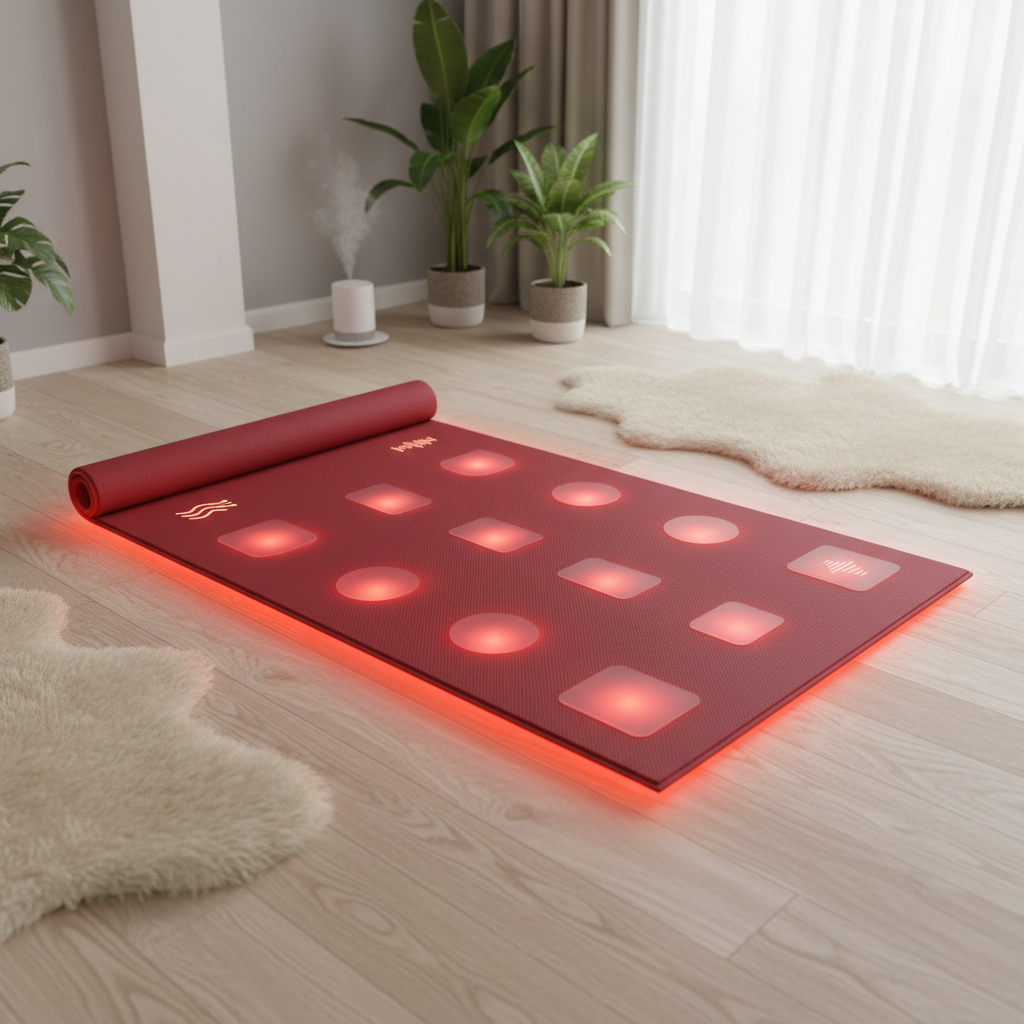
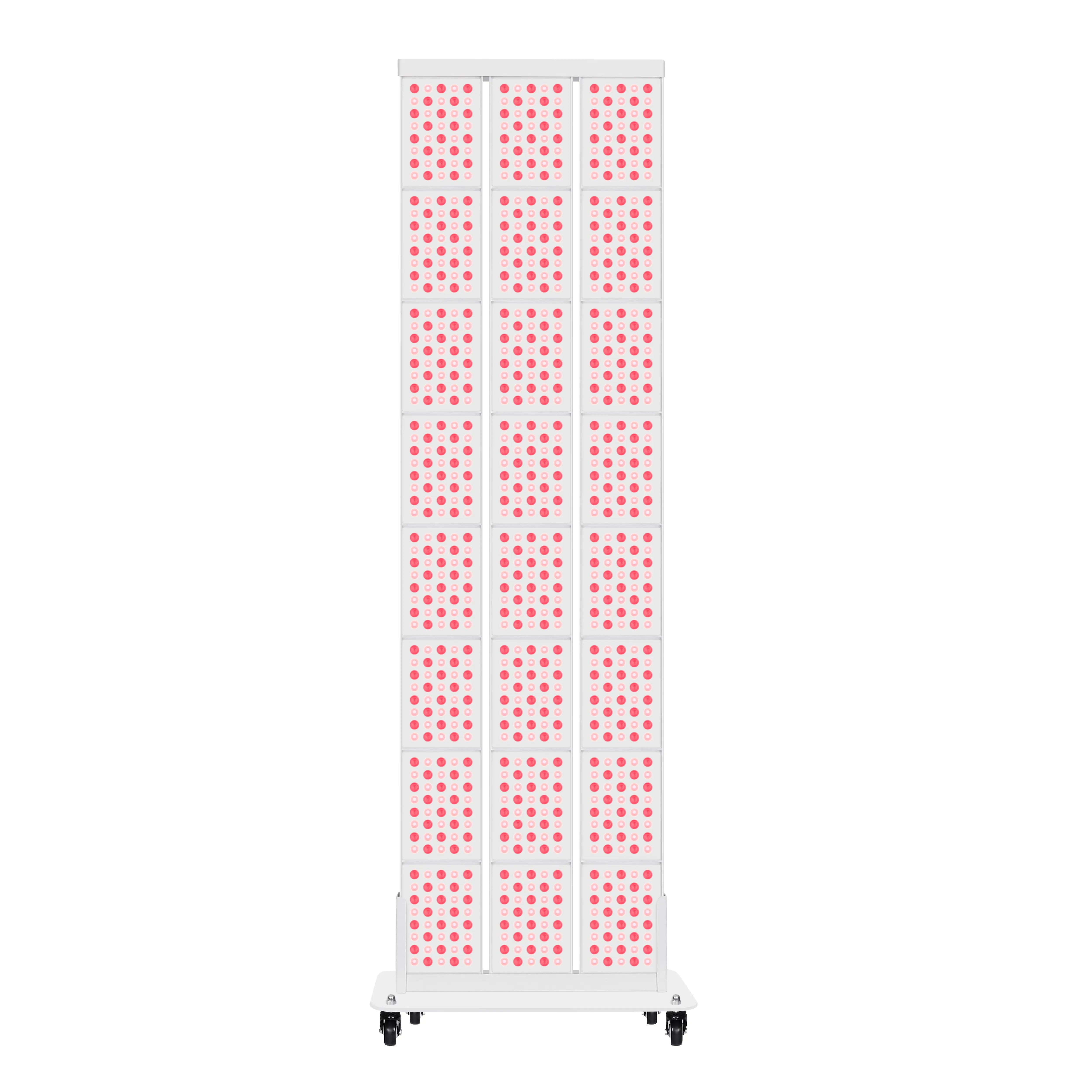
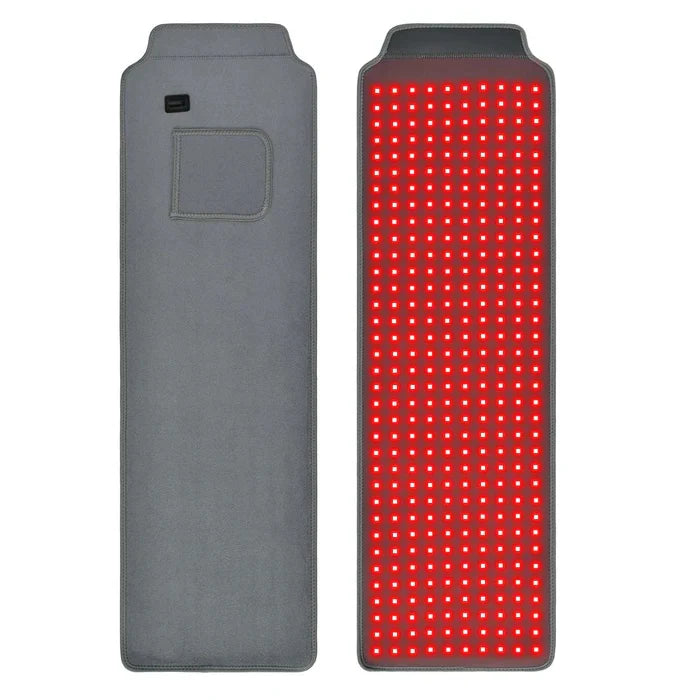
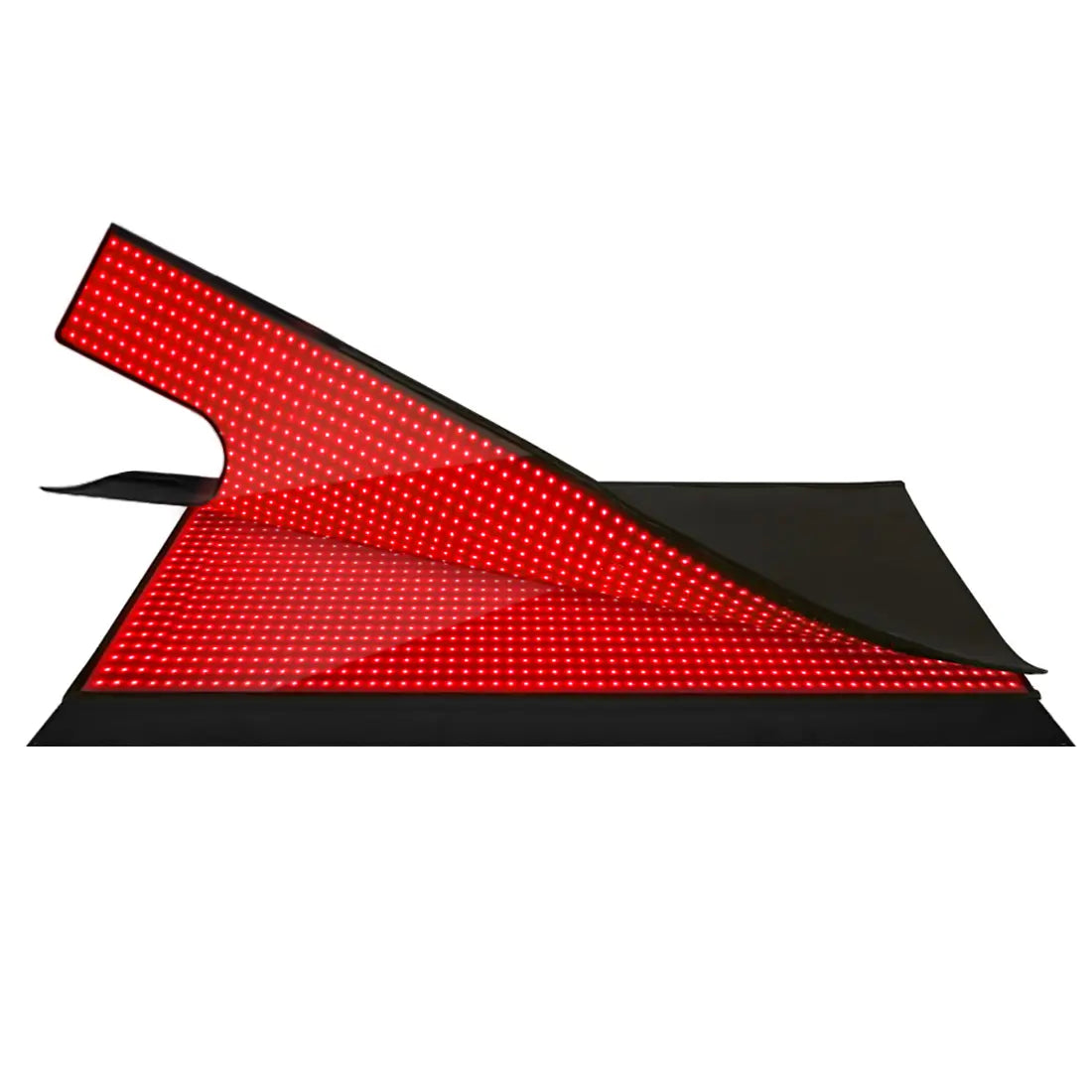
Choosing between a red light therapy mat and a targeted pad comes down to matching the device's coverage and convenience to your specific recovery routine, available space, and budget. A full-body mat often suits users seeking broader coverage or multi-area treatment in one session, while a targeted pad is usually more practical for focusing on one joint or pain spot at a time.

Red light therapy, also known as photobiomodulation (PBM), is a non-thermal, non-invasive light treatment using visible red and near-infrared (NIR) wavelengths. While the underlying biological mechanism remains the same across devices, the physical format dictates how consistently you will actually use the technology. In the current market, the "best" device is the one that fits into your existing habits without creating friction.
Mat vs. Pad: Key Differences in Coverage and Use
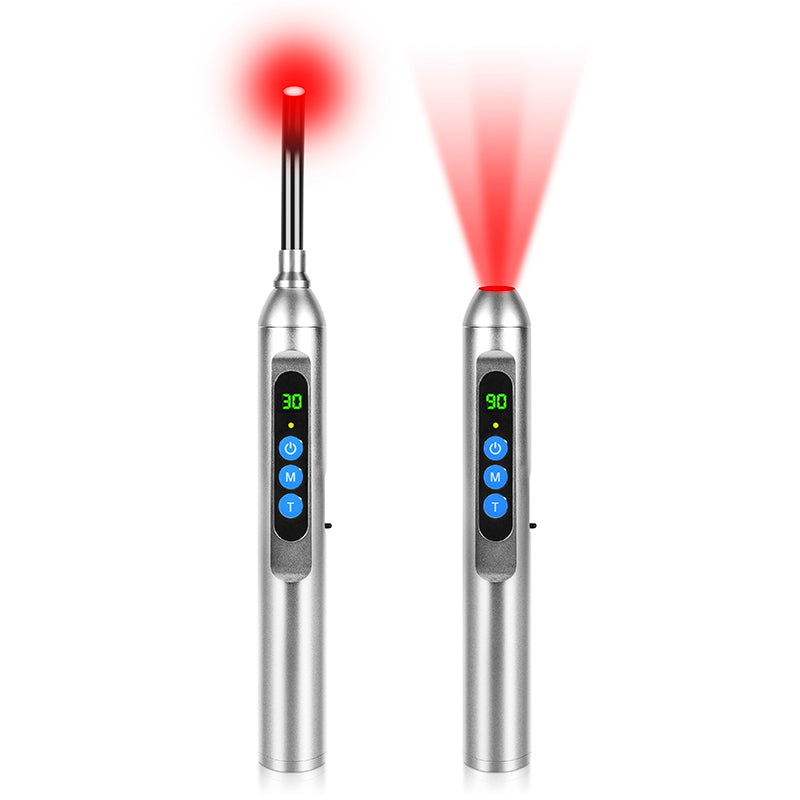
The primary practical distinction is treatment area. A full-body mat provides larger surface coverage, making it easier to treat the back, legs, or multiple zones simultaneously. A targeted pad is designed for precise placement on smaller areas such as knees, shoulders, or specific muscle groups.
A targeted pad may be sufficient when the main use case is one joint or a small pain spot at a time. In contrast, a full-body mat makes more sense when your priority is broader coverage or whole-body convenience in a single routine.
Heuristic Comparison:
- Choose a Mat if: You want a "set it and forget it" full-body recovery session or need to treat large muscle groups (back/quads) simultaneously.
- Choose a Pad if: You are targeting a specific injury (e.g., runner's knee, carpal tunnel) or need a device that fits in a carry-on bag.
The following radar chart illustrates typical trade-offs between the two formats. Scores are relative and illustrative, based on common buyer considerations such as coverage needs and daily convenience.
Red Light Therapy Mat vs Pad: Heuristic Decision Aid
Heuristic comparison only; relative scores reflect typical decision trade-offs, not measured performance or clinical outcomes.
View chart data
| Series | Treatment Coverage | Portability | Price Accessibility | Setup Convenience | Localized Use Fit | Broad-Use Fit |
|---|---|---|---|---|---|---|
| Red Light Therapy Mat | 5.0 | 2.0 | 2.0 | 3.0 | 2.0 | 5.0 |
| Red Light Therapy Pad | 3.0 | 5.0 | 4.0 | 5.0 | 5.0 | 3.0 |
Heuristic decision aid built from scenario matrix and threshold-table style buyer logic: localized vs broad coverage, budget sensitivity, and setup friction. Scores are relative illustrative values only, normalized on a 1-5 scale; no absolute clinical claims.
Practical Scenarios: When to Choose Each Format
The best choice often depends on your daily routine and physical constraints rather than the universal superiority of one format.
- Whole-Body Wellness: Users who want to treat the back, legs, and core in one session tend to prefer a full-body mat for efficiency. This avoids the "patchwork" approach of moving a small pad every 10 minutes.
- Single Joint or Localized Pain: Athletes focusing on a specific shoulder or knee injury often find a targeted pad more convenient. The smaller size allows it to be wrapped tightly around a joint, ensuring the light is close to the skin.
- Limited Space or Travel: If you live in a small apartment or travel frequently, a targeted pad is the clear winner. Large mats require dedicated floor space and can be cumbersome to roll up and store daily.
- Busy Schedules: If you only have 10 minutes, a pad is quick to apply. However, if you prefer a passive, meditative routine, lying on a mat for 20 minutes may be easier to sustain long-term.

Beyond the Label: Verifying Specs in 2026
As we move into 2026, the red light therapy market is saturated with "clinical grade" claims. To get the best value, you must look past the marketing and verify the actual parameters.
1. The "Coverage-to-Time" Calculation
A common mistake is buying a small pad for a large area because it’s cheaper. To calculate the true value, consider the time cost:
- Pad Scenario: Treating the entire back with a 6"x6" pad might require 6 separate 10-minute sessions (60 minutes total).
- Mat Scenario: Treating the entire back with a mat takes 1 session (10-20 minutes total). If your time is limited, the mat’s higher upfront cost pays for itself in efficiency.
2. Irradiance and Power Density
Don't just look at the number of LEDs. Check the irradiance (measured in mW/cm²).
- Red Flag: If a battery-powered, flexible pad claims the same irradiance as a high-end plugged-in panel (e.g., 100+ mW/cm²), be skeptical.
- Rule of Thumb: Most effective home-use pads and mats deliver between 30-80 mW/cm² at the surface. This is sufficient for most wellness goals when used consistently.
3. Wavelength Transparency
Ensure the manufacturer specifies the exact peaks. The most researched wavelengths for home use are 660nm (Red) for skin-level concerns and 850nm (Near-Infrared) for deeper tissue and joint support. Avoid devices that only list "Red Light" without specific nanometer (nm) values.
For technical benchmarks on dosage, this official dosage recommendations guide from WALT offers helpful context, though consumer devices may vary from clinical protocols.
Buyer's Checklist: Questions to Ask Before Purchasing
To avoid overspending, run through these practical checkpoints:
- How many body areas do you need to treat? If it's more than two, a mat is likely the better investment.
- Is portability a dealbreaker? If you need to use it at the office or while traveling, stick to a pad.
- Do you have a dedicated "recovery spot"? Mats work best when they can stay laid out or are easily accessible.
- What is your budget? Pads are an excellent entry point ($100-$300), while high-quality mats are a significant investment ($500-$1,200+).
- Does the device offer EMF shielding? In 2026, low-EMF and flicker-free technology are standard for high-quality devices. Check the photobiomodulation standards guide for more on safety.
Important Boundaries and Disclaimer
This article discusses comfort, setup, and practical considerations for red light therapy devices. It does not constitute medical advice, diagnosis, or treatment. Red light therapy is an emerging area with ongoing research, and individual results vary. If you have existing eye conditions, persistent discomfort, joint issues, or other health concerns, consult qualified healthcare professionals before use. Devices should be used according to manufacturer instructions.
Final Thoughts: Making the Right Investment
There is no "one-size-fits-all" in red light therapy. A targeted pad offers an accessible, portable entry point for localized concerns like joint pain or carpal tunnel. Conversely, a full-body mat provides a comprehensive recovery solution for those who value time efficiency and whole-body wellness.
By focusing on wavelength transparency, irradiance, and your actual daily habits, you can select a device that delivers long-term value without unnecessary overspending. Consistency is the most important factor in any PBM routine—choose the format you are most likely to use every day.