
If you are stacking long rides, tempo runs, and pool sessions into the same week, you already know the truth: triathlon is not limited by how hard you can go, but by how fast you can bounce back. As someone who has spent years experimenting with recovery tech on endurance athletes, I can tell you red light therapy is one of the few “biohacks” that is both genuinely promising and heavily overhyped.
The goal here is to cut through the marketing and look at what red light therapy can realistically do for a triathlete’s recovery, based on actual research rather than wishful thinking—and then translate that into practical protocols you could layer into your own training week.
Red Light Therapy 101 for Endurance Athletes
What Red Light Therapy Actually Is
Red light therapy goes by several names: photobiomodulation, low‑level laser therapy, and LED light therapy show up a lot in the literature. Regardless of the label, we are talking about exposing the body to low‑intensity red and near‑infrared light, typically in the 630–850 nanometer range, using LEDs or low‑level lasers.
Clinics like Elevate Health and rehabilitation centers such as Function Smart Physical Therapy describe it as noninvasive and non‑thermal. Unlike ultraviolet light, it does not burn the skin or damage DNA at the doses used therapeutically. Harvard‑affiliated dermatologists and major health systems such as Main Line Health and University Hospitals already use similar technology for skin, wound care, and pain, which tells you this is not fringe anymore.
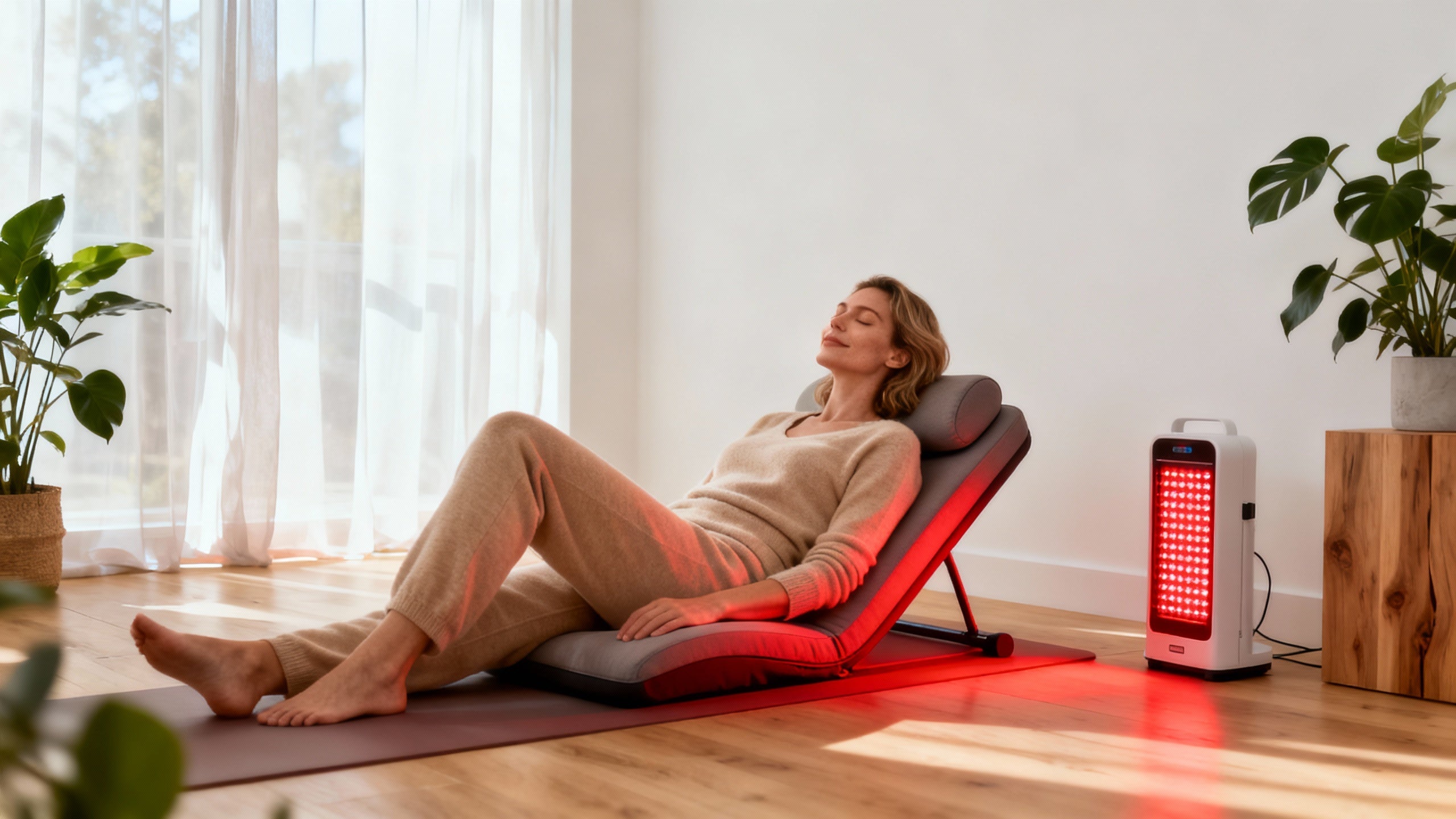
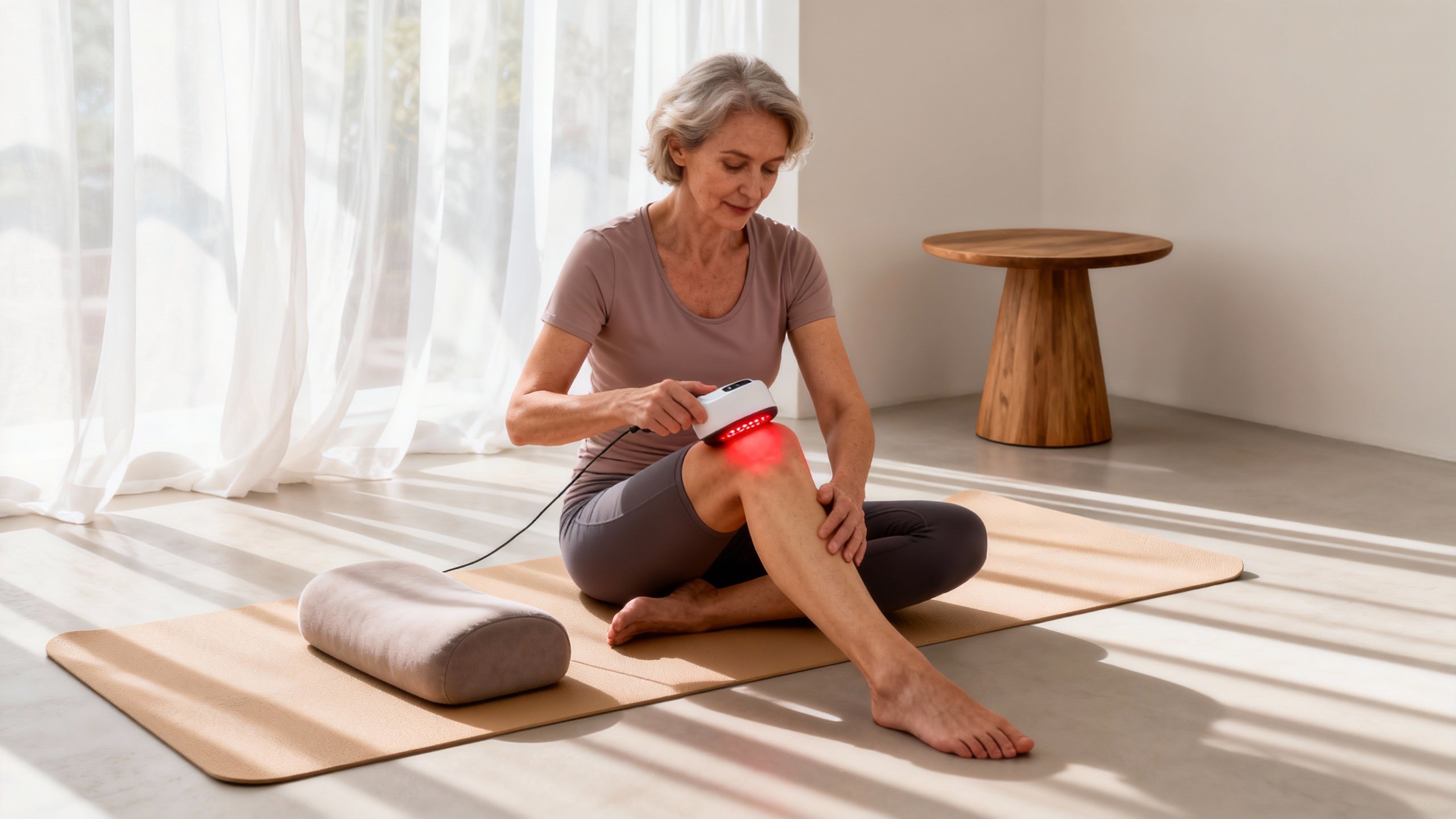
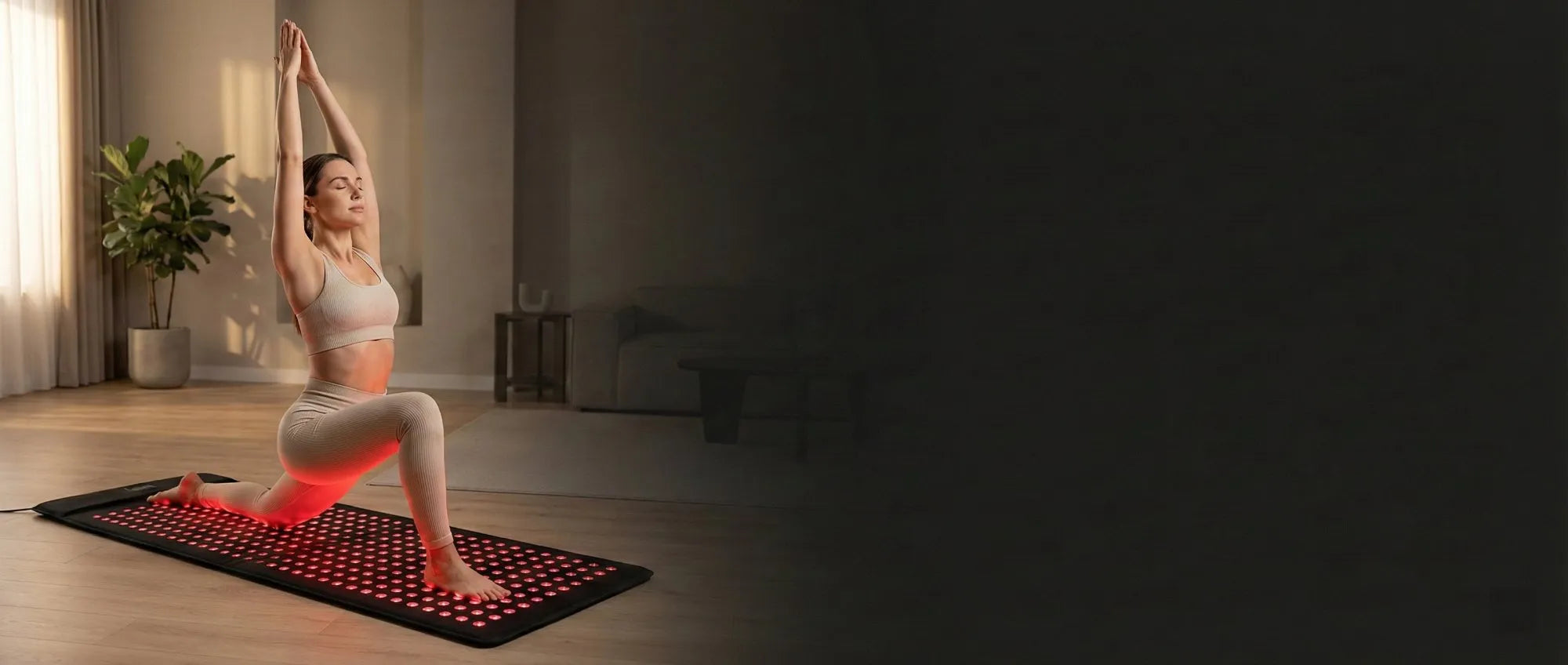
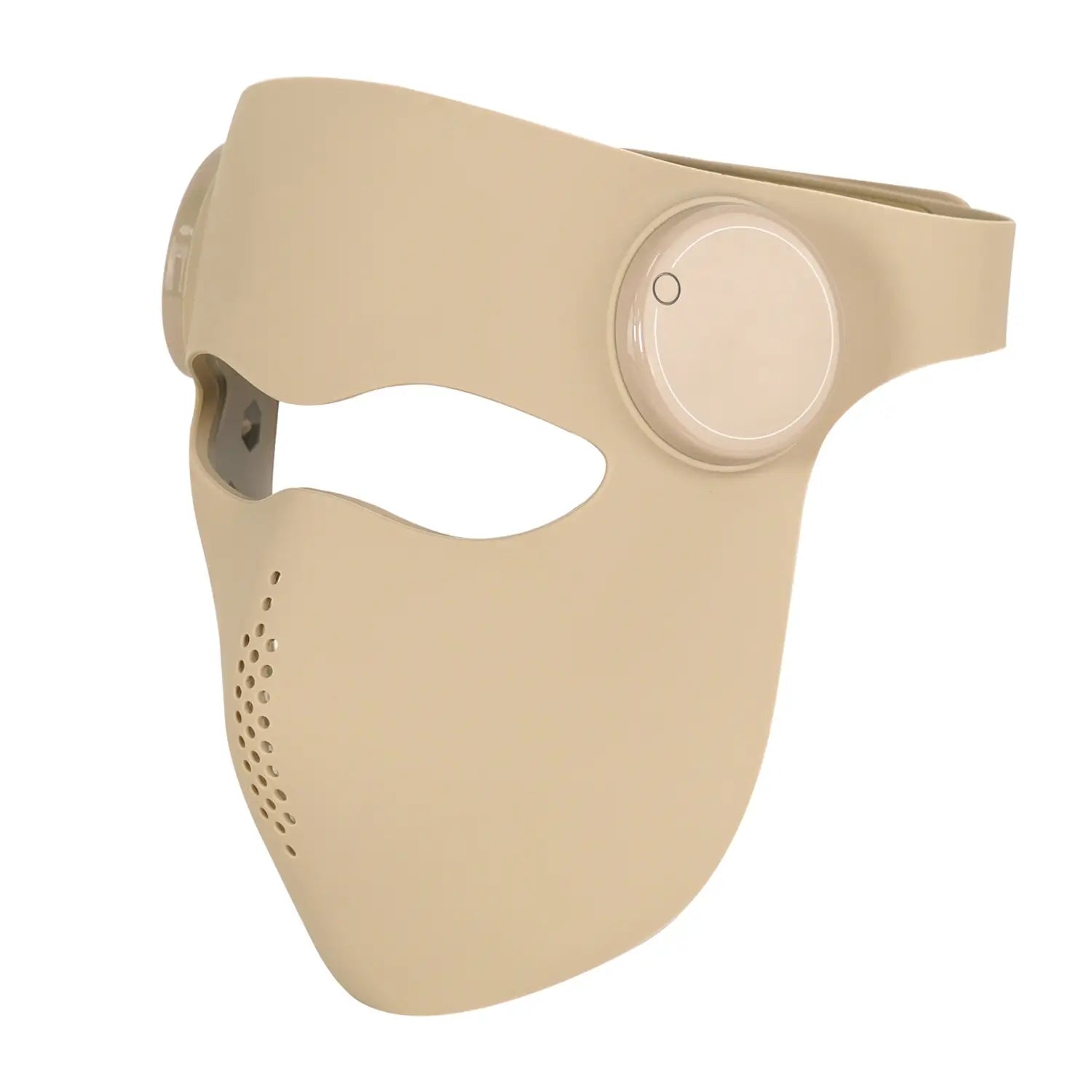
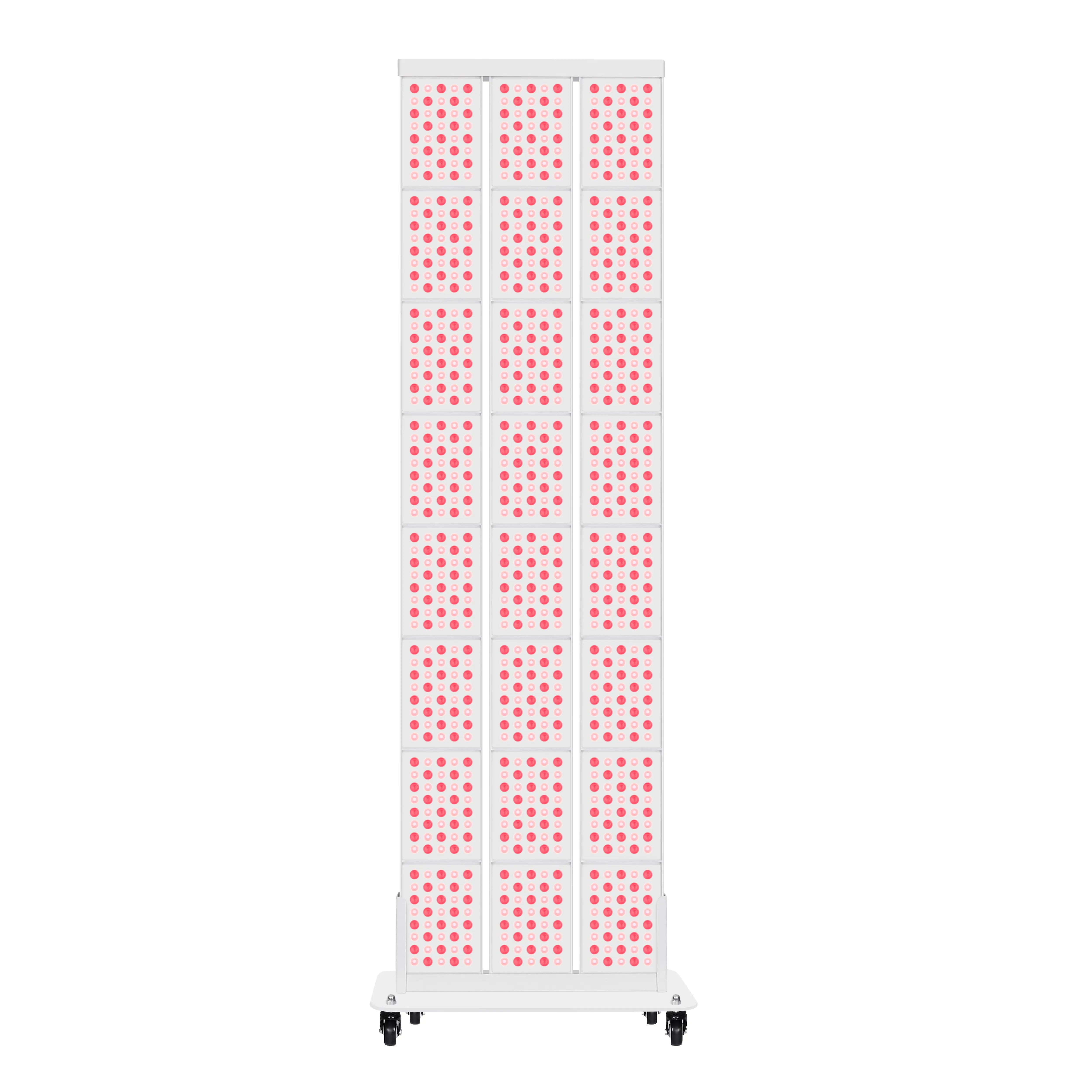
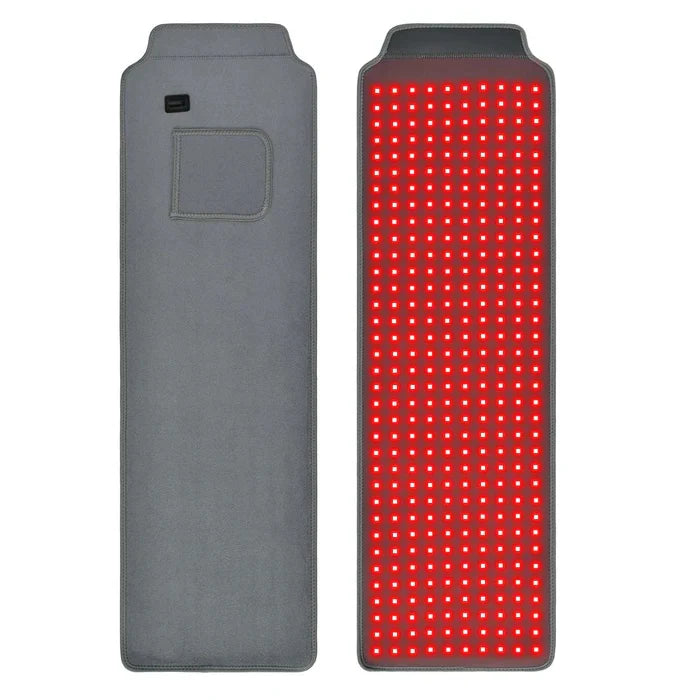
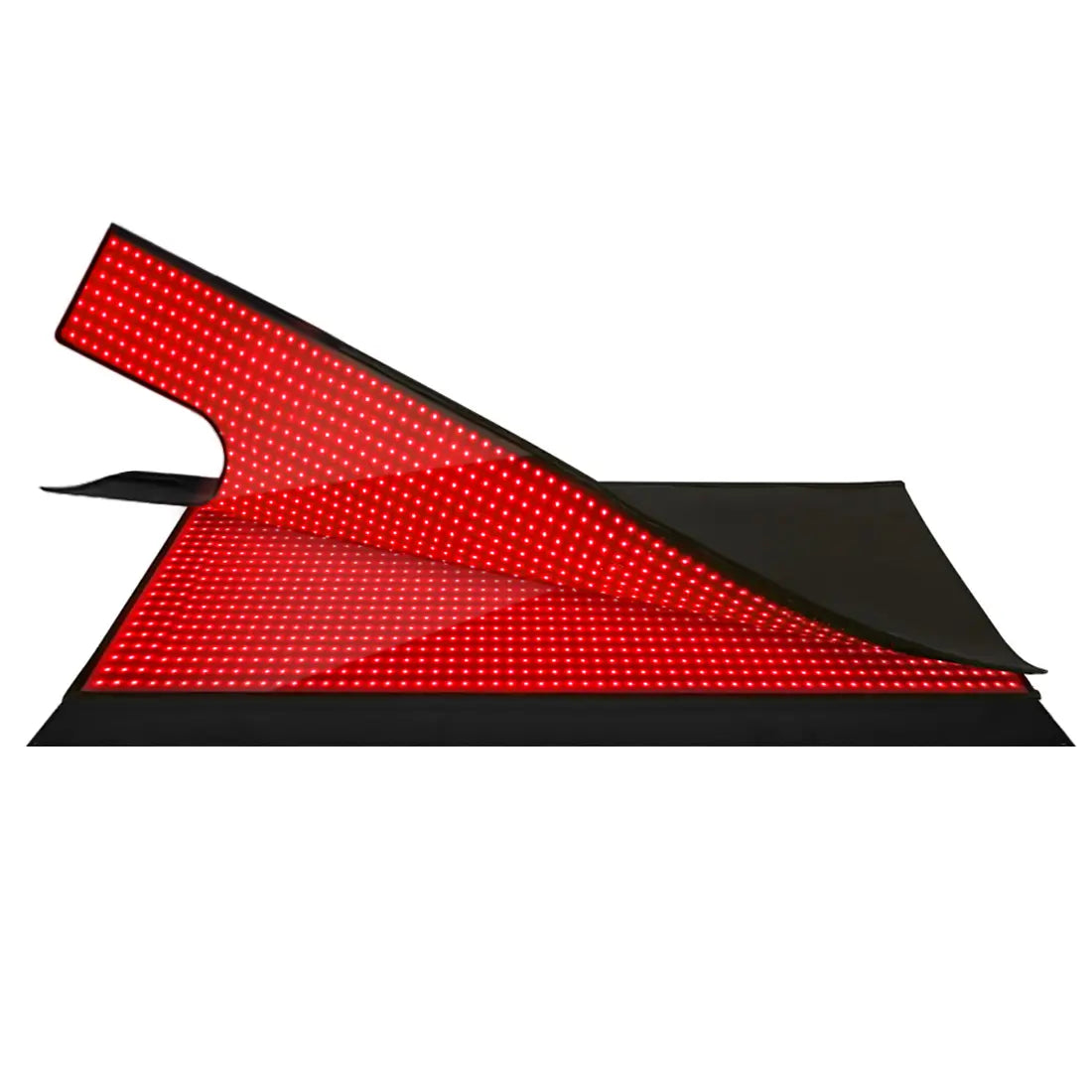
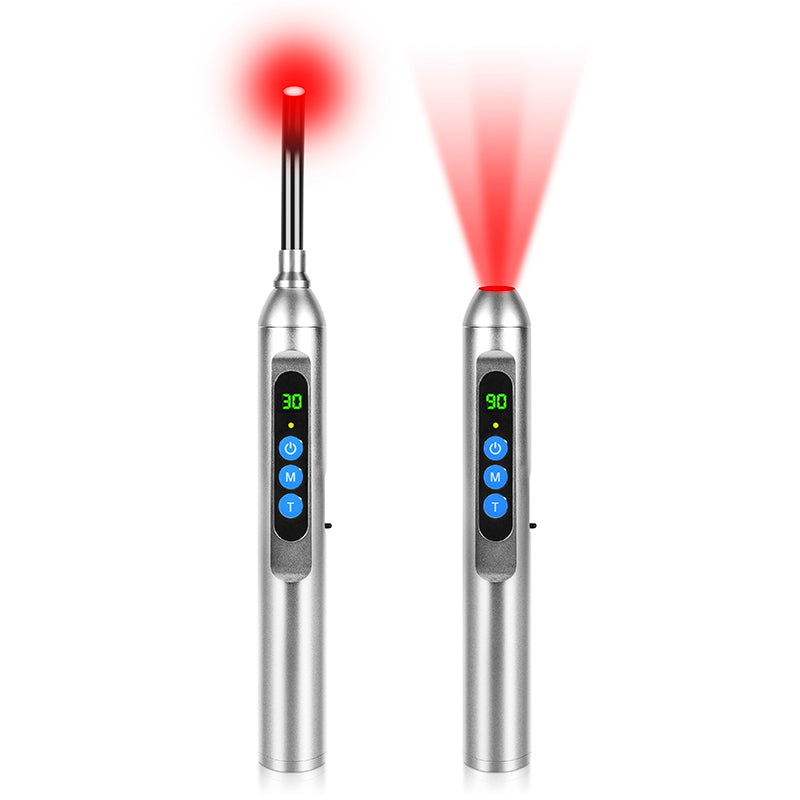
In practice, triathletes encounter red light therapy in three main formats: full‑body “beds” or pods, wall‑mounted LED panels, and smaller targeted pads or handheld devices. The underlying idea is the same: flood tissues with specific wavelengths that nudge your cells into a higher‑functioning state.
How It Works Inside Your Cells
The core mechanism is surprisingly elegant. Multiple sources, including Elevate Health, Physical Achievement Center, and Athletic Lab, converge on the same explanation.
Red and near‑infrared photons penetrate into skin and muscle and are absorbed by mitochondria, particularly an enzyme called cytochrome c oxidase in the electron transport chain. Under stress, nitric oxide can bind to this enzyme and partially throttle energy production. When light hits cytochrome c oxidase, it helps dislodge that nitric oxide so oxygen can bind again, and oxidative phosphorylation ramps back up.
The downstream effects seen in human and animal studies include:
- Increased ATP production, essentially giving your cells more chemical energy to spend on repair, contraction, and housekeeping.
- Release of nitric oxide, which dilates blood vessels and improves microcirculation, delivering more oxygen and nutrients to working or damaged tissue.
- Modulation of inflammatory cytokines, tending to decrease pro‑inflammatory signals and increase anti‑inflammatory ones.
- Stimulation of collagen synthesis, relevant for tendons, ligaments, and skin integrity.
A comprehensive review in PubMed Central that pooled 46 human trials (1,045 participants) on photobiomodulation and muscle found that these mechanisms translate into measurable—but not universal—gains in performance and recovery metrics when the dosing is right.

What the Research Actually Shows
Muscle Performance and DOMS
For triathletes, the most obvious question is whether red light therapy can reduce delayed onset muscle soreness (DOMS) and improve muscle function between sessions.
The muscle‑focused review in PubMed Central looked at red and near‑infrared therapy applied before and/or after exercise to upper and lower limb muscles, as well as treadmill running. Outcomes included repetitions to failure, torque, maximum voluntary contraction, time to exhaustion, creatine kinase (a marker of muscle damage), lactate, DOMS, and overall muscle recovery.
Several patterns emerged:
- Many trials reported that pre‑exercise “muscular pre‑conditioning” with light increased repetitions, time to exhaustion, or torque, and reduced DOMS or creatine kinase compared with placebo.
- Other well‑designed randomized trials found no significant effect at all, particularly in some elbow‑flexor protocols, even when the devices and wavelengths were similar.
- When the authors mapped out dosing, they found a “therapeutic window.” For example, in biceps brachii, total energy between roughly 20 and 80 joules over the muscle tended to improve repetitions and reduce DOMS; outside that window, effects often disappeared. For quadriceps, helpful doses clustered roughly between 56 and 315 joules. Treadmill protocols that improved running time and reduced muscle damage tended to use total doses around 360–510 joules distributed over the legs and sometimes torso.
Function Smart Physical Therapy reports similar patterns clinically. They note that red and near‑infrared therapy can increase ATP production in muscle cells by up to about 200 percent and reduce DOMS by up to roughly 50 percent in some studies, particularly when sessions target deep muscles with near‑infrared wavelengths around 810–850 nanometers for about 10–20 minutes per body area.
Athletic Lab references work where adding photobiomodulation to strength or endurance programs produced substantially larger gains than training alone: a low‑level laser study that amplified strength increases, and a treadmill study where endurance improvements progressed about three times faster when light was applied before and after sessions. At the same time, a meta‑analysis on DOMS cited in their article concluded that while there are promising individual trials, the overall evidence for soreness reduction is still limited and inconsistent.
A coach‑focused review in J Biophotonics, discussed by TrainingPeaks, takes a skeptical stance: upper‑body studies often improved biochemical markers of muscle damage without meaningful performance changes, and lower‑body studies showed mixed results in both performance and soreness. Their conclusion is that the current performance evidence is modest and uneven—nowhere near the certainty suggested by some marketing.
Taken together, the message is nuanced. Red light therapy can improve muscle performance metrics and soreness in some protocols and populations, but results are not guaranteed, and the effect depends heavily on dose, timing, and exact application.
Sports Injuries and Return to Play
For triathletes, the recovery question is not only about soreness after a tempo run; it is also about how quickly you can get back from niggles and minor injuries without derailing your season.
An LED Technologies summary describes a study in the journal Laser Therapy involving 65 university athletes with sports injuries. Those who received LED phototherapy had an average return‑to‑play time of 9.6 days compared with an anticipated 19.23 days, essentially cutting time to return in half, with no reported adverse events. That is a sizeable difference for tendon sprains and strains in a competitive season.
Clinics such as Fick PT & Performance and Synergy Physical Therapy report that red and near‑infrared therapy appears to:
- Support tendon and ligament healing by stimulating collagen production and improving blood flow.
- Lower chronic inflammation in structures like Achilles tendons and ligaments.
- Reduce joint stiffness and improve mobility, especially around high‑impact joints.
University Hospitals notes that red light therapy seems particularly helpful for tendinopathies and superficial or inflammatory problems near the skin, and less likely to reverse deep structural damage like advanced osteoarthritis. That lines up with what I have seen in triathletes: it is excellent at taming irritated tissues so you can load them intelligently, but it is not going to magically regrow a shredded meniscus.
Sleep, Mood, and Overtraining Risk
For long‑course triathletes with early‑morning swims and late‑night trainer rides, sleep may be the most valuable recovery tool of all. Here, red light therapy intersects with circadian biology.
Athletic Lab cites a trial on Chinese female basketball players where evening red light therapy improved sleep quality and increased nighttime melatonin compared with placebo. Another study mentioned in the same article found that red light exposure during or immediately after waking reduced sleep inertia—the heavy grogginess that blunts short‑term memory and reaction time.
NSCA‑aligned content on the evolution of red and infrared light therapy notes that improving sleep quality is one of the most compelling ways photobiomodulation might reduce overtraining risk in high‑load athletes, alongside potential direct effects on muscle recovery.
However, Stanford Medicine explicitly points out that claims about red light improving athletic performance, sleep, chronic pain, and other systemic conditions are not yet backed by strong, reproducible clinical data. Most of the robust evidence sits in hair growth and certain skin applications. So if sleep is your weak link, red light therapy is an intriguing lever, but it should sit behind rock‑solid sleep hygiene and intelligent scheduling, not replace them.
Where Experts Urge Caution
Several reputable medical sources offer important reality checks.
Stanford Medicine emphasizes that while photobiomodulation has decades of research behind it, convincing clinical evidence is strongest in dermatology and hair restoration. For broader claims—athletic performance, chronic pain syndromes, neurocognitive benefits—the data remain sparse or mixed.
Harvard Health echoes this for skin care, noting that there is legitimate literature supporting modest improvements in wrinkles, texture, and wound healing, but that results are not dramatic and depend heavily on correct wavelength, dose, and schedule. They point out that many home devices are weaker and inconsistently labeled, making it hard to know what dose you are actually getting.
TrainingPeaks reviews the same performance literature and concludes that the gap between marketing promises and actual evidence is large. They frame red light therapy as an “interesting novelty” at this stage, rather than something that obviously justifies the cost for performance alone.
The PubMed Central muscle review raises a different kind of caution. Because red light therapy may confer performance advantages and, unlike drugs, leaves no obvious blood or urine marker, the authors note that organizations such as the World Anti‑Doping Agency and the International Olympic Committee may eventually need to decide whether and how to regulate it in elite sport if its use becomes widespread.
The takeaway: this is not snake oil, but it is also not a magic performance switch. The science is promising but still maturing, and anyone serious about evidence needs to hold both truths at once.
Why Triathletes Are Uniquely Positioned to Benefit
Triathlon loads the body in an unusually complex way. You stack swim, bike, and run sessions that stress slightly different tissues and energy systems, often with minimal recovery between them. That combination creates several problems red light therapy is theoretically suited to help.
Endurance‑heavy weeks generate cumulative muscle damage and metabolic waste, particularly in the quadriceps, calves, glutes, hip flexors, and shoulders. Photobiomodulation has repeatedly been shown to reduce markers of muscle damage, support antioxidant defenses, and speed clearance of metabolic byproducts when applied appropriately.
High‑frequency training means that even small reductions in DOMS or joint stiffness can translate into better quality work across a microcycle. Clinics like Function Smart and Synergy Physical Therapy report that athletes often notice reduced stiffness and faster bounce‑back over two to four weeks of consistent use, even when early sessions feel subtle.
Finally, triathletes are notorious for living close to the edge of overreaching. The sleep and mood effects seen in studies on team sport athletes—better sleep quality, reduced sleep inertia, and potentially improved mood—are particularly relevant when you are cramming double sessions around work and family.
In my own work with long‑course athletes, I have seen red light therapy be most helpful for three scenarios: managing tendon‑heavy overuse complaints (Achilles, patellar tendon, proximal hamstring), smoothing out recovery after truly brutal brick or tempo blocks, and nudging sleep in the right direction during high‑stress phases. It works best as a background enhancer, not the hero.
Building a Light‑Enhanced Recovery Routine
Choosing Wavelengths and Devices
For triathletes, the key distinction is between visible red and near‑infrared light.
Articles from Physical Achievement Center and Poll to Pastern explain that:
- Red wavelengths around 630–660 nanometers mostly target superficial tissues such as skin, superficial fascia, and more shallow tendons.
- Near‑infrared wavelengths around 810–850 nanometers penetrate deeper into muscles, fascia, and even bone, making them more relevant for quadriceps, hamstrings, calves, and hip musculature.
Most sports‑oriented systems combine both, so you get skin and tendon benefits from red and deeper muscle effects from near‑infrared. Function Smart notes that common athletic protocols rely heavily on 810–850 nanometers to reach deep muscles, with sessions of about 10–20 minutes per body area.
From a triathlete’s perspective, that means:
- If your focus is skin issues from wetsuits or saddle friction, superficial tendon nuances, or scar remodeling, red‑dominant devices are sufficient.
- If you are targeting deep muscle recovery in quads, glutes, calves, or back, you want near‑infrared capability.
Here is a high‑level comparison based on Harvard Health, University Hospitals, MD Anderson, and clinical sports sources:
Aspect |
Home panel or pad |
|
Output power and dose control |
Typically lower and more variable; labeling can be imprecise |
Higher, calibrated output; dosing planned by clinician |
Convenience and frequency |
Easy to use daily around training at home |
Requires appointments; less convenient for day‑to‑day use |
Cost |
Up‑front cost from under a few hundred up into the thousands |
Per‑session fees; long‑term cost depends on frequency |
Evidence alignment |
Often adequate for maintenance and mild issues |
Better suited for targeted rehab and high‑dose, short‑term protocols |
Oversight and safety |
Self‑guided; more room for user error |
Supervised; eye protection, contraindications, and dosing managed |
Harvard Health and University Hospitals are clear that home devices are reasonable to try if they do not create financial strain, but expectations should stay modest and use should be consistent. For serious injury rehab or complex pain, a clinical system with a trained provider is usually the smarter first step.
Timing Around Swim, Bike, and Run
Research and clinical reports converge on a few timing principles.
The PubMed Central review and Function Smart data suggest that pre‑exercise muscular pre‑conditioning often yields the strongest performance gains: more repetitions, longer time to exhaustion, and lower lactate and creatine kinase responses when doses fall in that therapeutic window. Athletes in studies who received light before elbow‑flexor or quadriceps training bouts frequently outperformed sham groups in strength and fatigue resistance.
For endurance‑oriented work, Athletic Lab highlights a treadmill study where applying light both before and after training led to endurance improvements roughly three times faster than training alone. They note that strength athletes tended to gain the most when light was applied before lifting.
Function Smart advises that recovery‑oriented sessions are most helpful when delivered within about two to four hours after exercise. Poll to Pastern describes common practice as 20–30 minutes per targeted area after workouts, up to several times per week, with higher frequencies reserved for active injury healing.
Putting this in triathlete language:
- Before key strength or high‑intensity sessions, a short near‑infrared session over primary movers (for example, quadriceps, hamstrings, glutes, or calves) can act as a cellular warm‑up.
- After demanding bricks, long runs, and race‑simulation rides, a post‑session block focused on those same muscles within a few hours may help with soreness and recovery.
- Between blocks or on easy days, you can target slower‑healing tissues such as Achilles tendons, hip flexors, or shoulders as part of a broader rehab strategy.
Athletic Lab’s real‑world rule of thumb is also worth repeating: their in‑house red light apparatus caps usage at about 20 minutes per session because benefits flatten beyond that. That aligns with the biphasic dose response described in the PubMed review—more is not necessarily better, and too much light can actually blunt the effect.
How Often and How Long
Because there is no one standard protocol, it is helpful to anchor expectations to ranges seen across sources.
Function Smart, Poll to Pastern, and the sports‑injury photobiomodulation summary converge around:
- Session length in the range of 10–30 minutes per body region, depending on whether you are using a high‑power clinical device or a lower‑power home panel.
- Irradiance in the ballpark of 20–100 milliwatts per square centimeter at the skin surface for musculoskeletal issues, which usually corresponds to placing the device relatively close to the body.
- Treatment frequency of two to three times per week for maintenance and performance support, rising to daily or multiple times per day for acute injury healing under supervision.
The PubMed Central review breaks this down further in terms of energy per muscle: upper‑arm muscles responded best to total energies between about 20 and 80 joules, quadriceps to 56–315 joules, and whole‑leg treadmill protocols to 360–510 joules across the lower body.
If you are a triathlete experimenting at home, a conservative, evidence‑aligned approach is to:
- Start with moderate exposures rather than marathons under the panel.
- Focus on a few high‑value regions that actually limit your training instead of trying to treat your entire body in one session.
- Track your soreness and performance for several weeks rather than judging after a couple of uses.
When you layer this on top of two‑a‑day training, remember that time under the light is still time under stress for your schedule. It should simplify your recovery, not become another burden.
A Week in Practice
In heavy build phases with triathletes, I have seen the most success when red light therapy is tied tightly to specific training goals.
For example, in a week with a long brick, a key interval run, and an aerobic long ride, the athlete might use red and near‑infrared light before the interval run on hip flexors and calves to pre‑condition those tissues for faster turnover. After the long brick, the focus shifts to quadriceps and glutes in the hours following the session, aiming at soreness reduction and faster ATP replenishment. On a technically demanding swim day where shoulders are the weak link, attention moves to rotator cuff and scapular stabilizers.
On non‑key days, light is reserved mostly for lingering issues such as stubborn Achilles discomfort or patellar tendon soreness, always alongside eccentric loading, strength work, and smart load management. The device becomes part of the routine in the same way foam rolling or compression might, not a replacement for any of them.

Pros, Cons, and Risks for Triathletes
The Upside
From the combined evidence and clinical reports, red light therapy offers several potential advantages:
It is noninvasive, drug‑free, and generally safe when used correctly. Harvard Health, Main Line Health, MD Anderson, and University Hospitals all highlight its favorable safety profile in dermatology, wound care, and pain management.
It targets the cellular root of fatigue and damage by increasing ATP and modulating oxidative stress and inflammation, rather than just masking symptoms. That is particularly relevant when you are stringing hard sessions together.
Studies and clinical practice suggest it can reduce DOMS and muscle damage markers, enhance fatigue resistance, and in some cases accelerate strength and endurance gains when combined with training, especially with well‑timed pre‑conditioning.
There is early evidence that it may improve sleep quality and reduce sleep inertia in athletes, which could have outsized payoff for early‑morning swim culture and heavy training schedules.
For injuries and chronic pain, it appears to support tendon and soft‑tissue healing and has been associated with faster return‑to‑play times and reduced joint pain, particularly for superficial and inflammatory conditions.
The Downsides and Limitations
The performance evidence is still inconsistent. Reviews from PubMed Central and TrainingPeaks describe a patchwork of positive, neutral, and sometimes negative findings. You cannot assume that buying a panel automatically means faster splits.
Marketing is far ahead of the science. Stanford Medicine explicitly warns that sweeping claims about red light “fixing” performance, sleep, cognition, or systemic disease are not backed by strong data.
Dosing is tricky. The biphasic dose response means that both under‑dosing and over‑dosing can render treatments ineffective. Many home devices do not clearly state their true output, making it hard to stay in the therapeutic range.
Cost can be significant. University Hospitals and Harvard Health both note that many devices run from just under a hundred dollars into the thousands, and insurance rarely covers them.
It is not a structural repair tool. No credible source suggests that red light therapy can rebuild torn ligaments, reverse advanced arthritis, or substitute for proper biomechanics, strength training, and load management.
There are non‑zero risks. MD Anderson points out that eye exposure to high‑intensity light carries retinal risk and that incorrect dosing can cause skin irritation or burns. Harvard Health notes that people with light‑sensitive conditions, such as lupus, and those on light‑sensitizing medications should be cautious.

Who Should Be Careful or Avoid It
Medical centers such as MD Anderson, Harvard‑affiliated dermatology clinics, Main Line Health, and Poll to Pastern highlight several situations where caution is warranted.
People with known photosensitive conditions, including lupus or certain epilepsies, and anyone taking photosensitizing medications like some antibiotics or dermatologic drugs, should not use red light therapy without explicit medical clearance.
Pregnant individuals are often advised to avoid red light therapy over the abdomen and lower back, because the effects in pregnancy are not fully understood.
No one should shine high‑intensity red or near‑infrared light directly into the eyes; professional settings use protective goggles for a reason.
Red light therapy should not be applied over suspected or known malignancies without oncology guidance. MD Anderson specifically uses related therapies in cancer care under strict protocols.
Finally, triathletes dealing with persistent or severe pain, unexplained muscle weakness, or structural joint problems should view red light therapy only as a complement to a full medical work‑up, not as a primary solution.
FAQ: Triathlete‑Specific Questions
Will red light therapy make me faster on race day?
The most honest answer is that it might help you recover better and squeeze more quality out of your training, but it is unlikely to transform your performance on its own. Studies summarized in PubMed Central and reports from clinics like Function Smart and Athletic Lab show improvements in strength, time to exhaustion, and soreness under specific conditions, yet reviews such as the one discussed by TrainingPeaks describe the overall evidence as modest and inconsistent. In practice, red light therapy is best treated as a recovery amplifier layered on top of sound training and lifestyle, not a stand‑alone performance enhancer.
How long before I notice any effect?
Clinical observations from Function Smart, Synergy Physical Therapy, and University Hospitals suggest that some athletes feel subtle changes in soreness and stiffness within the first few sessions, while more meaningful shifts in training capacity or chronic pain tend to emerge over two to four weeks of consistent use. Harvard Health emphasizes that even for skin applications, several months of regular sessions are often needed. If you try it, commit to a reasonable test period rather than judging after one or two exposures.
Is red light therapy allowed under anti‑doping rules?
Red light therapy is a physical modality, not a substance, and the muscle review on PubMed Central notes that there are currently no blood or urine markers that indicate past light exposure. The authors suggest that organizations such as the World Anti‑Doping Agency and the International Olympic Committee may eventually need to consider how to handle photobiomodulation if its performance effects become more clearly established and widely exploited. That underscores that this lives in the realm of equipment and recovery methods for now, but the ethical and regulatory conversation is ongoing.
Should I invest in a home panel or stick to clinics?
Harvard Health and University Hospitals describe home devices as a reasonable, low‑risk experiment if the price is manageable and you are willing to be consistent. They also emphasize that effectiveness depends on correct dosing, which clinics can better control with calibrated devices and trained providers. For a triathlete dealing primarily with routine soreness and minor issues, a well‑chosen panel or pad can be worthwhile. For significant injury rehab, complex pain, or when you are preparing for a high‑stakes race, integrating clinical‑grade treatments prescribed by a sports medicine or physical therapy team is usually more targeted and efficient.
Red light therapy is one of those rare tools that genuinely touches the biology we care about in endurance sports—mitochondria, blood flow, inflammation—without requiring drugs or invasive procedures. The science is promising but not definitive, which means the smartest triathletes treat it the same way they treat their power meter or their nutrition plan: as one more lever to be tested, tracked, and integrated thoughtfully. Used with a clear head, it can help you show up fresher to the next swim, ride, or run; used as a shortcut, it will only shine light on the gaps in your fundamentals.

References
- https://digitalcommons.cedarville.edu/cgi/viewcontent.cgi?article=1013&context=education_theses
- https://www.health.harvard.edu/staying-healthy/red-light-therapy-for-skin-care
- https://healthsciences.arizona.edu/news/stories/exploring-phototherapy-new-option-manage-chronic-pain
- https://pmc.ncbi.nlm.nih.gov/articles/PMC5167494/
- https://med.stanford.edu/news/insights/2025/02/red-light-therapy-skin-hair-medical-clinics.html
- https://www.mainlinehealth.org/blog/what-is-red-light-therapy
- https://www.mdanderson.org/cancerwise/what-is-red-light-therapy.h00-159701490.html
- https://www.uhhospitals.org/blog/articles/2025/06/what-you-should-know-about-red-light-therapy
- https://www.physio-pedia.com/Red_Light_Therapy_and_Muscle_Recovery
- https://www.athleticlab.com/red-light-therapy-for-athletes/