
If you spend serious time behind the wheel or at a desk, you already know that a cranky lower back can hijack your day. I have worked with professional drivers, commuters, and biohackers long enough to see the same pattern repeat: long sitting, subtle posture mistakes, stress, and fatigue slowly load the lumbar spine until pain becomes the default setting.
Many of those people now ask me the same question: “Can red light therapy help my lower back?” As a light therapy geek and long-time wellness optimizer, I love that question. But the honest, evidence-based answer starts somewhere less glamorous than an LED panel: it starts with what the research actually tells us about lower back pain, especially in drivers, and only then where tools like red light therapy might fit.
The research bundle we are drawing from here is rich in data on lower back pain and driving, but it does not directly test red light therapy. That means we will use these studies to understand the real pressures on your spine, then place red light therapy in the right context: potentially helpful as an adjunct, never a magic substitute for biomechanics, movement, and recovery.
Lower Back Pain: The Problem Red Light Therapy Tries To Solve
What Counts As Lower Back Pain?
Clinically, low back pain is usually defined as pain between the lower rib cage and the folds under the buttocks, sometimes with or without leg pain. Several studies in this research set describe it as the most common musculoskeletal condition worldwide, with lifetime prevalence often between roughly sixty and eighty percent and annual prevalence in the general population between about a quarter and more than half of adults. It is also a leading cause of years lived with disability and generates enormous healthcare costs.
Most cases, especially in people younger than about fifty, are “mechanical” or “nonspecific.” In plain language, the pain typically relates to how the discs, joints, muscles, and ligaments are loaded and how well they recover, rather than a single dramatic injury. That matches what I see in real life: the person whose back “suddenly went” while lifting a suitcase usually has months or years of accumulated micro-stress behind that one moment.
Why Drivers Are A High-Risk Group
The notes you provided include several large analyses of professional drivers. Consistently, they show that driving for a living is one of the highest risk ways to earn an income if you care about your lumbar spine.
A systematic review in an orthopedic journal found that professional drivers across taxis, buses, trucks, and other vehicles often report twelve‑month lower back pain prevalence above fifty percent. A separate meta-analysis that pooled forty‑seven studies and more than nineteen thousand drivers calculated that professional drivers have a far higher annual prevalence of low back pain than the global average of around seven and a half percent.
The type of vehicle matters. That meta-analysis reported approximate twelve‑month lower back pain prevalence around sixty‑eight percent in work‑vehicle drivers, about sixty percent in tractor drivers, roughly fifty‑seven percent in taxi and car drivers, just over fifty percent in bus and truck drivers, and about thirty‑one percent in drivers of three‑wheeled vehicles. Drivers who spend their days in vehicles with higher vibration and heavier manual loading tend to sit on the worst end of that spectrum.
Population data from a cross‑sectional study of nearly fifteen hundred drivers found that about forty‑four percent had lower back pain. The burden was higher in drivers older than forty, where prevalence climbed above fifty percent. Pain intensity also rose with more years of driving and with more than six hours of driving per day.
If you zoom out to global numbers, one large epidemiologic analysis estimated that around six hundred nineteen to nearly seven hundred million people worldwide experienced low back pain in 2020. Projections suggest that by 2050, roughly eight hundred forty‑three million people may be living with it, which would be an increase of more than a third. Professional drivers sit right in the crosshairs of that trend.

What The Science Says About Lower Back Stress In Real Life
Before we talk about shining light on your back, you want to understand what is actually grinding it down. The driver studies and clinical reports in your research notes converge on several key themes: mechanical load, vibration, posture, sitting time, and biopsychosocial factors.
Mechanical Load, Sitting, And Your Spinal Discs
Human anatomy is designed for movement. When you sit for long periods, especially in a car seat, you flatten the natural lumbar curve and concentrate load on the intervertebral discs. Several clinical sources included in your notes point out that sitting can place up to about forty percent more pressure on the spine compared with standing. In car seats that lack lumbar support or are set too low and far back, that pressure increases further as the pelvis rolls backward and the spine slumps.
Static sitting means your discs are loaded and compressed without the pumping effect that comes from walking. Over hours and years, that combination of pressure and lack of motion accelerates disc wear, contributes to stiffness, and impairs the discs’ hydration and nutrient exchange. Clinicians see this as a recipe for disc bulges, herniations, and the classic morning stiffness many drivers report after years on the road.
Whole‑Body Vibration, Rough Roads, And Micro‑Trauma
Driving is not just sitting; it is sitting while being shaken thousands of times per hour. Meta-analyses and mechanistic papers referenced in your notes highlight whole‑body vibration as a major driver of spinal load in drivers. Every time the vehicle accelerates, brakes, hits a pothole, or rolls over rough asphalt, the lumbar spine experiences small but repeated jolts.
Biomechanical studies cited in one review describe how vibration increases disc pressure, triggers the release of pro‑inflammatory cytokines, drives oxidative stress and disc cell aging, and promotes structural disc degeneration. Continuous low‑load vibration also worsens “creep” in soft tissues, meaning ligaments and muscles lengthen under constant stress and then fail to snap back fully.
Real‑world data matches the lab findings. In the Taif driver study, drivers who commonly traveled on poor asphalt had a markedly higher prevalence of low back pain, above fifty percent, while those on good asphalt sat closer to thirty‑five percent. Work‑vehicle and tractor drivers, who face higher vibration and more manual handling, show the highest prevalence in the large meta‑analysis mentioned earlier.
Awkward Posture And Poor Seat Geometry
If you have ever climbed out of a car after a long drive and felt like you were shaped exactly like your seat, you have already met this risk factor.
Multiple clinical sources in your notes describe how common driving postures flatten the lumbar curve, push the head and neck forward, and overload the shoulders. Key drivers include slouching, sitting too far from the pedals, reclining the seat too far, or crowding the steering wheel. These positions increase strain on discs, facet joints, and supporting muscles.
Across several chiropractic and spine clinics, ergonomic guidance is surprisingly consistent. They recommend setting the seat so your hips are level with or slightly higher than your knees, sliding your hips all the way back in the seat, and reclining the backrest slightly rather than sitting bolt upright. Some orthopedic and chiropractic sources suggest a backrest angle somewhere around one hundred to one hundred ten degrees from the seat, and at least one research paper notes minimal disc pressure in a recline around twenty‑five to thirty degrees from vertical.
Lumbar support matters. Many vehicles either do not offer it or offer a shape that does not match your spine. Clinical guidance in your notes emphasizes filling the gap between your lower back and the seat with built‑in lumbar adjustment, a small cushion, or a rolled towel, while avoiding so much pressure that it digs into a single segment.
Steering wheel and mirror setup also play a role. Recommendations from driver-focused clinics include positioning the wheel so your elbows are slightly bent and relaxed with your hands around the nine and three o’clock positions, and adjusting mirrors so you can see clearly without craning your neck or leaning forward. Failing to do this pushes extra load into the neck, shoulders, and upper back and can amplify lower back tension.
Even small asymmetries matter. Several clinical sources in your notes warn about sitting on a thick wallet, phone, or keys in a back pocket, which tilts the pelvis and twists the lumbar spine for the entire drive. Over months and years, that can contribute to unilateral hip and sciatic‑type pain.
Hours Behind The Wheel, Sleep, And Stress
Driving is both a mechanical and a psychosocial job, and the research reflects that.
The Taif study found that drivers logging more than six hours per day had significantly higher pain intensity, and those with ten to fifteen years or more than fifteen years of driving had higher prevalence and intensity compared with newer drivers. Another study referenced in the meta‑analysis reported that taxi drivers working twelve or more hours a day were more than twice as likely to experience low back pain as the general population.
Beyond hours, psychosocial factors play a surprisingly large role. The systematic review of professional drivers in your notes describes higher low back pain risk in drivers facing high job demands, tight time pressure, low decision latitude, and low social support. Negative emotions such as anxiety, depression, and fear‑avoidance beliefs about pain are also linked to chronic back pain in this population.
Lifestyle factors pile on. The same review notes associations between driver low back pain and obesity, smoking, low physical activity, alcohol use, poor sleep duration and quality, and markers of mental distress. In other words, the spine does not experience vibration and posture in a vacuum; it experiences them inside a body that may be inflamed, under‑recovered, and stressed.
From this perspective, any modality you add to your toolkit—including red light therapy—has to be judged against the real complexity of the load you are carrying, not in isolation.

Red Light Therapy 101 For Lower Back Care
Now that we understand the battlefield, we can talk about one of the tools people increasingly bring to it.
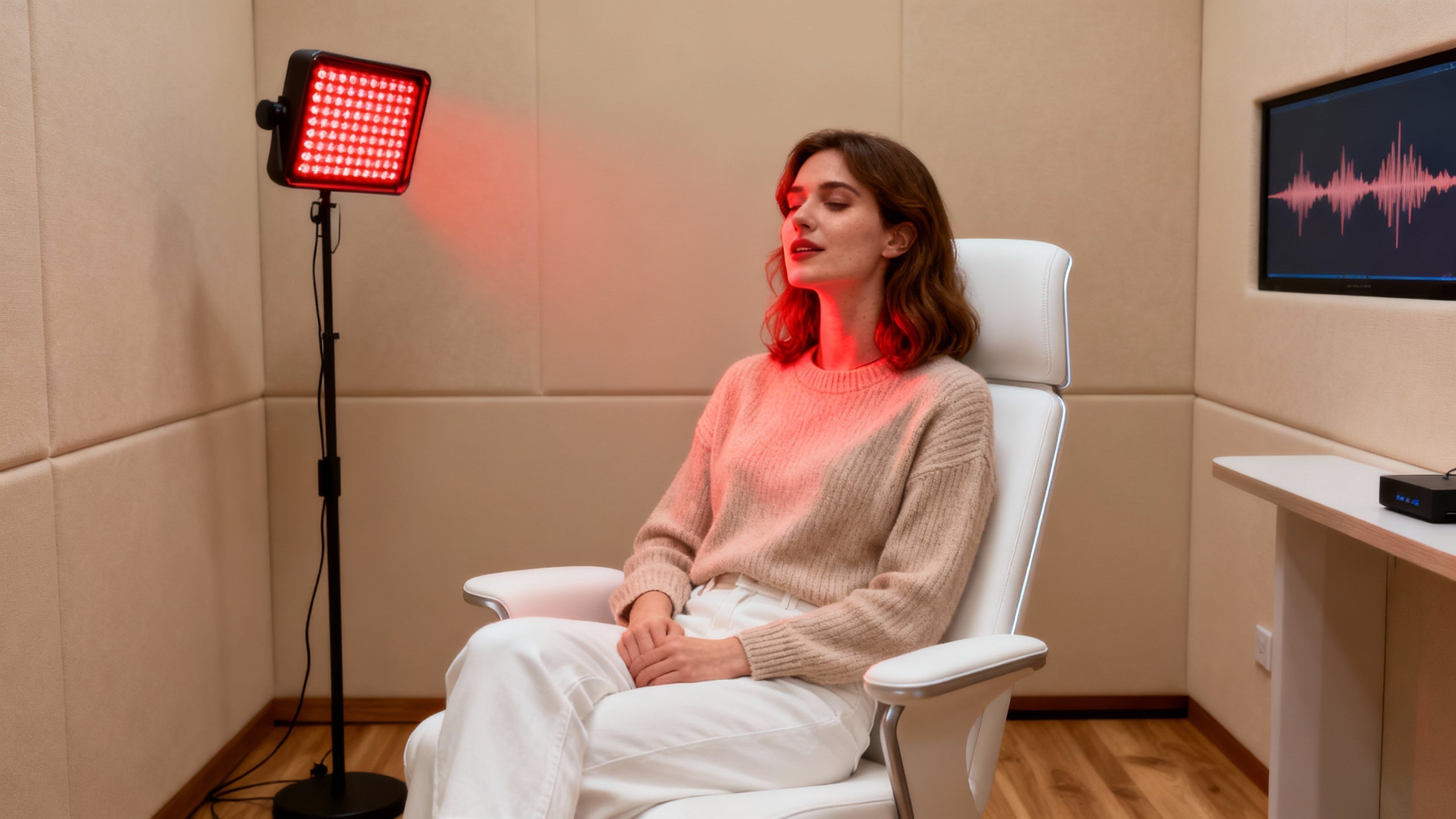
Red light therapy, often referred to as photobiomodulation when discussed in scientific literature, typically uses low‑intensity red and near‑infrared light to influence cellular processes. Commonly used wavelengths fall in the visible red range and the near‑infrared range just beyond what our eyes can see.
Unlike heating pads that primarily deliver warmth, red light and near‑infrared devices are designed to deliver light energy that cells can absorb. Laboratory research outside the notes you provided has shown that certain wavelengths can interact with mitochondrial enzymes and other chromophores, which can modulate energy production, reactive oxygen species, and signaling pathways related to inflammation and tissue repair.
Clinical studies on red light therapy for musculoskeletal pain, including neck pain, joint osteoarthritis, and low back pain, suggest that it may provide modest reductions in pain and improvements in function for some people, particularly when combined with exercise or other rehabilitation. Other trials have found little to no benefit. Overall, the body of evidence is promising but mixed, and effectiveness seems to depend heavily on dose, wavelength, treatment schedule, and what it is combined with.
Importantly, none of the driver‑focused studies in your notes examine red light therapy specifically. So while I can draw on broader scientific knowledge to describe how it may help, I cannot point to a large driver‑only trial that proves red light therapy alone will offset twelve hours of poor posture on rough roads. The best way to think about it is as a potentially useful adjunct layered on top of fundamentals that our driver data clearly support.
How Red Light Therapy May Support A Stressed Lower Back
Based on broader photobiomodulation research, people pursue red light therapy for lower back care with a few goals in mind.
First, reducing pain and stiffness. Clinical trials in chronic low back pain often report small to moderate improvements in pain scores and disability indices compared with sham treatments, especially over several weeks of consistent use. The proposed mechanisms include modulation of inflammatory mediators, improved microcirculation, and changes in how nociceptors—the nerves that carry pain signals—behave.
Second, supporting tissue recovery. Muscles that have been in static contraction for hours, as happens while driving, accumulate metabolites and micro‑damage. Some research in sports and rehabilitation settings suggests that photobiomodulation may improve markers of muscle recovery and performance when applied before or after exercise, although results are not uniform.
Third, promoting a parasympathetic, relaxed state. Although this is less about the physics of light and more about behavior, many of my own clients use red light sessions as a cue to switch gears into recovery mode: a ten‑minute panel session becomes a ritual that pairs light exposure with deep breathing, gentle mobility work, or wind‑down habits in the evening. The light itself may not fix posture, but the ritual can reinforce behaviors that do.
At the same time, red light therapy has clear limitations for a driver’s back. It does not change seat geometry, it does not shorten your route, and it does not magically erase the internal spinal load from whole‑body vibration and awkward postures. Any benefit it offers will be far more noticeable if you simultaneously lower the mechanical load with better ergonomics, smarter driving habits, and conditioning.
Practical Ways To Use Red Light Therapy For Your Lower Back
If you decide to experiment with red light therapy for your lower back, think like a scientist and an engineer, not just a gadget fan.
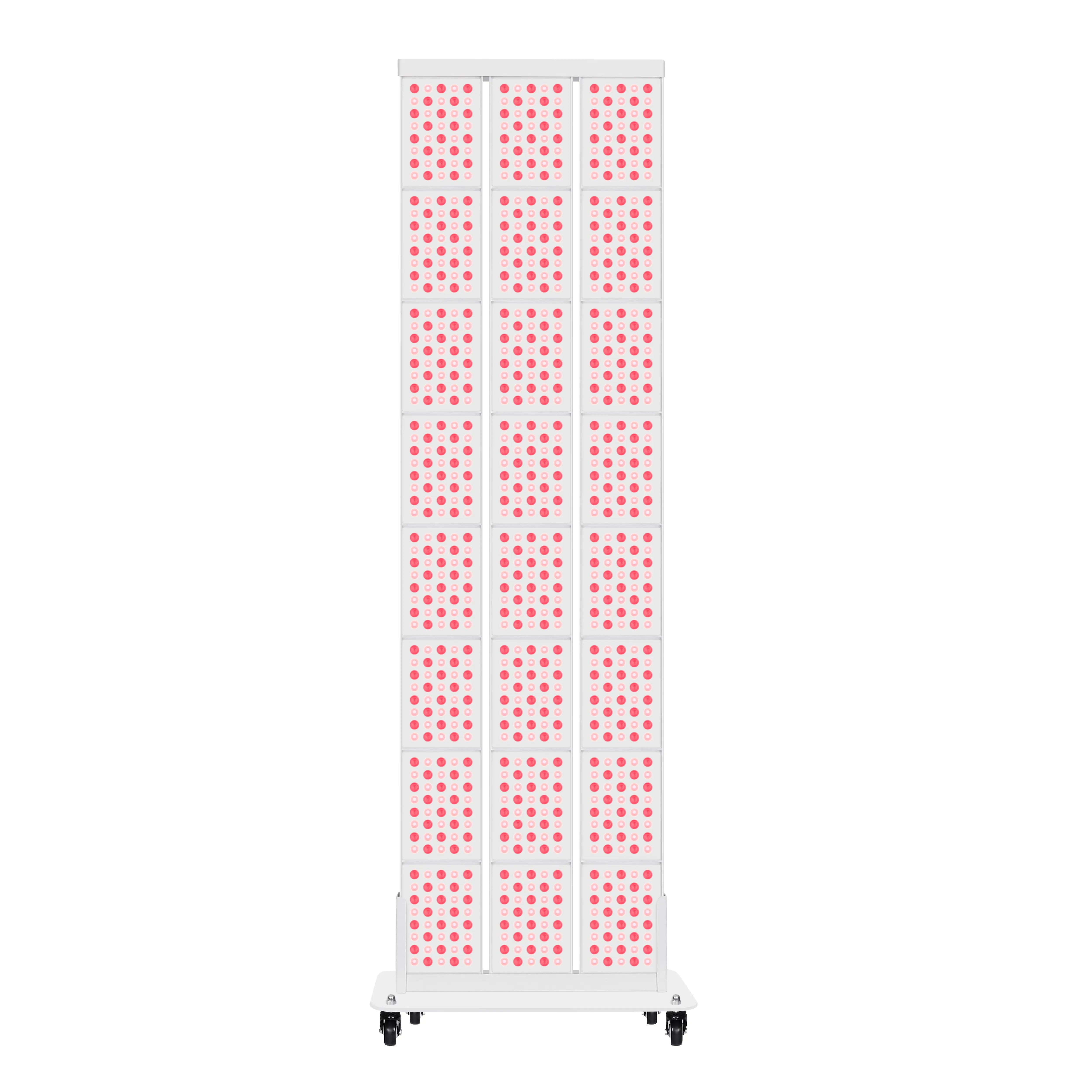
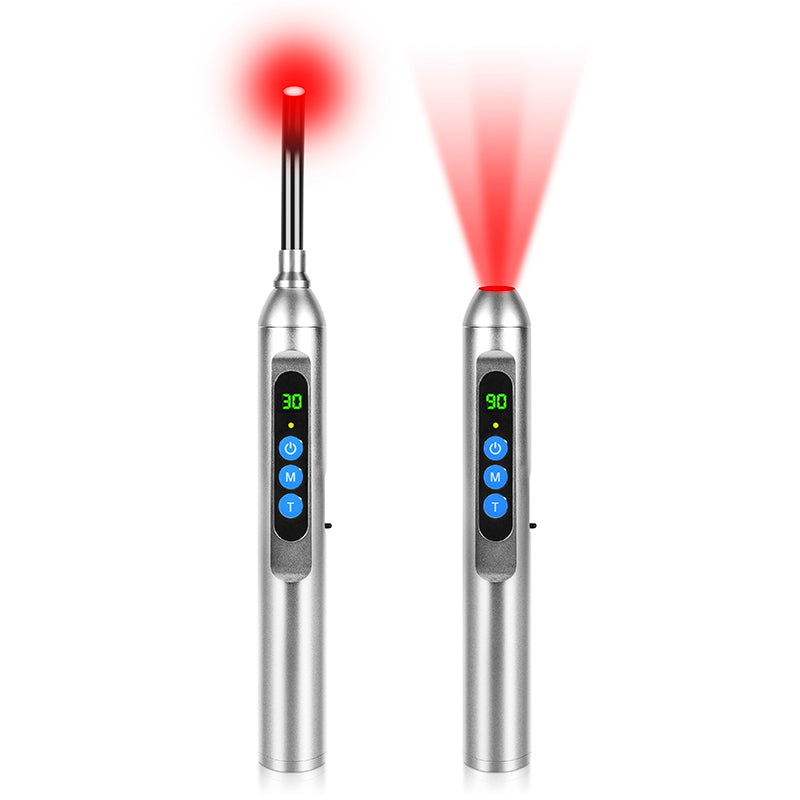
Most at‑home panels and pads designed for musculoskeletal use are meant to be placed within a foot or so of the skin for several minutes per session. A common pattern in the literature is to treat an area for somewhere in the range of five to fifteen minutes per session, several times per week, over a period of weeks. Devices differ widely in power density and beam spread, so it is essential to follow the manufacturer’s guidance and not simply copy a protocol from a different device.
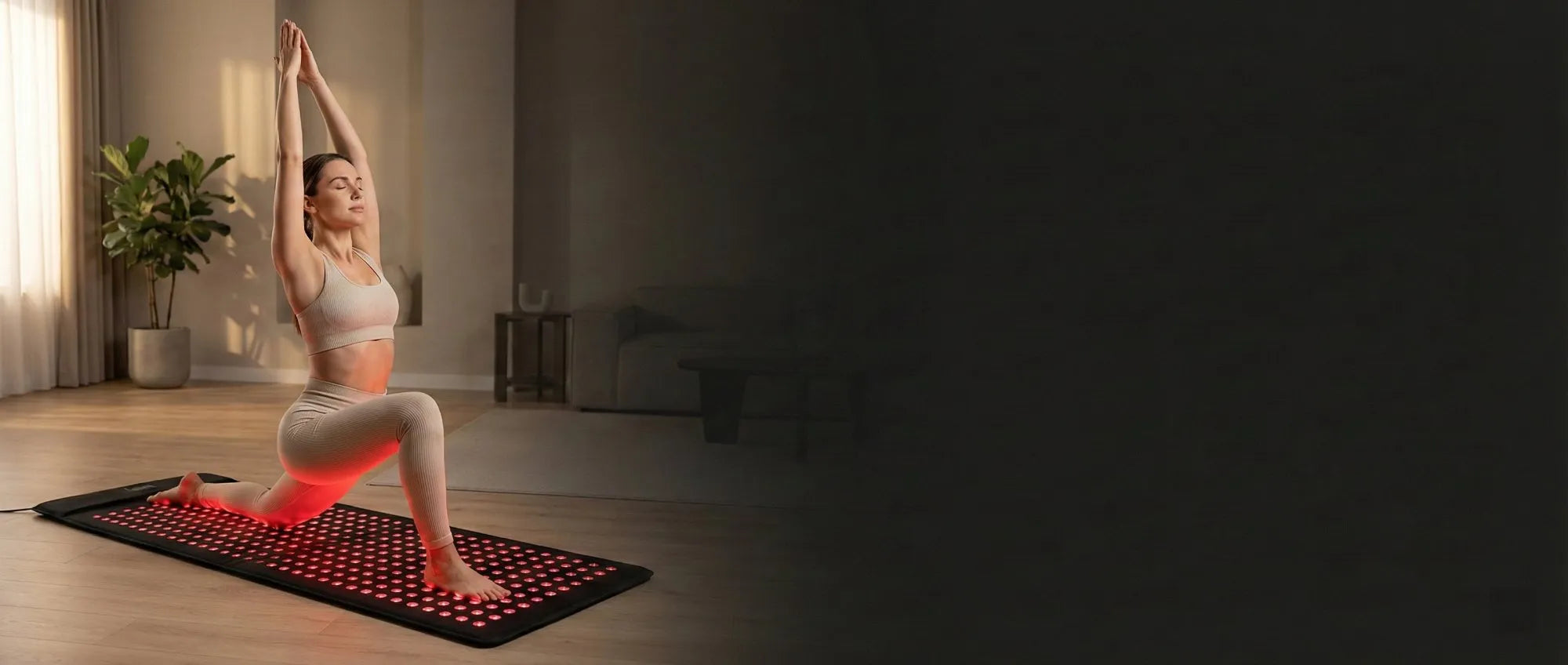
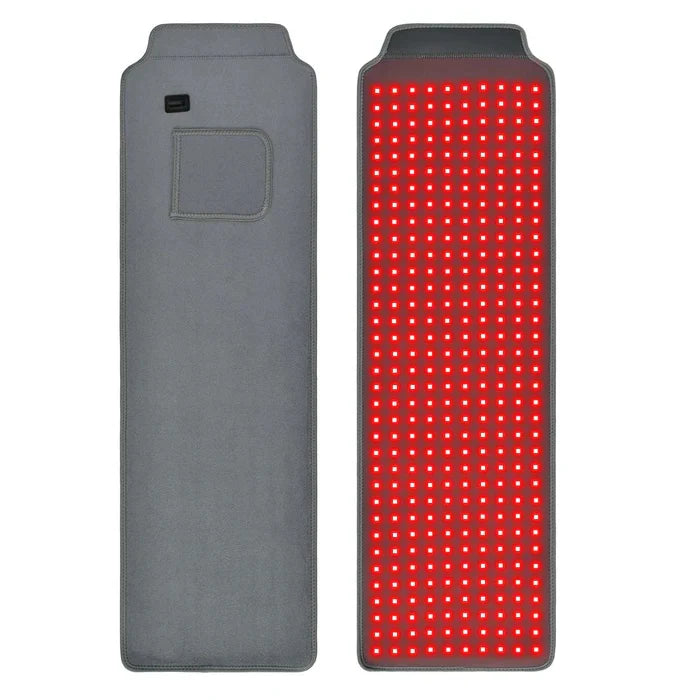
For a driver’s lower back, a practical pattern is to build sessions into existing routines. Many people position a panel behind them while standing, doing gentle hip hinges or side‑to‑side weight shifts, or they stand in front of a panel and turn to expose the lower back. Others use flexible pads while reclining. I encourage people to pair that time with simple breathing drills, light stretching, or core activation, so the nervous system associates the light with movement and relaxation rather than passive treatment only.
Safety is generally favorable in red light therapy studies, with few serious adverse events reported. Mild warmth, temporary redness, or a transient increase in soreness are the most common side effects. Still, you should avoid shining strong devices directly into the eyes, be cautious over areas of known or suspected cancer, and discuss usage with a clinician if you are pregnant, have uncontrolled medical conditions, or take photosensitizing medications.
Above all, approach red light therapy as one tool within a spine care system grounded in the very solid evidence we just reviewed: reduce mechanical load, respect vibration, move more, and manage stress.
Integrating Red Light Therapy With Spine‑Smart Habits
A red light panel is most powerful when it rides shotgun with changes that the lower back literature clearly endorses. Here is how I suggest layering them.
Dial In Your Driving Setup First
Every light therapy device in the world cannot compensate for a seat that is attacking your lumbar spine for hours at a time. The driver‑focused clinical sources in your notes converge on a few key ergonomic targets, which we can summarize alongside their rationale.
Element |
Evidence‑informed target |
Why it matters |
Seat distance |
Hips all the way back in the seat, knees slightly bent with feet comfortably reaching pedals |
Reduces forward lean and keeps the pelvis from rolling backward into a slouched posture |
Seat height |
Hips level with or slightly higher than knees |
Helps maintain neutral lumbar curve and decreases disc pressure |
Backrest recline |
Slight recline rather than completely upright, around one hundred to one hundred ten degrees or roughly twenty‑five to thirty degrees from vertical |
Minimizes disc pressure while keeping you close enough to steer safely |
Lumbar support |
Cushion, rolled towel, or built‑in support gently filling the low back curve |
Helps maintain natural lordosis and distributes pressure across the lumbar segments |
Steering wheel |
Positioned so elbows are slightly bent, hands around nine and three o’clock, wheel roughly chest‑level |
Reduces reaching, shoulder elevation, and neck strain |
Headrest and mirrors |
Head gently supported, ears over shoulders, mirrors adjusted to see without twisting |
Protects the cervical spine and keeps the whole spine in a more neutral stacked alignment |
Small details matter. Empty back pockets before you sit, avoid leaning to one side with an elbow on the window, and make sure thighs are supported without the seat edge pressing hard into the backs of the knees. If your seat is extremely firm or sagging, a high‑density or memory‑foam cushion with a gentle wedge shape can improve pelvic position and reduce tailbone pressure, as several clinical sources note.
Commit To Micro‑Movement And Strength
Even perfect posture turns into a problem when it is held for too long. Multiple sources in your notes advise taking short movement breaks regularly on long drives. Some suggest three to five minutes of walking and stretching every hour, while others recommend at least five minutes of movement every sixty to ninety minutes or longer stops every couple of hours with more extended walking.
The exact timing is less important than the principle: schedule movement before pain forces it. Use rest stops, parking lots, or safe pull‑offs to get out of the vehicle, stand tall, walk a bit, and gently stretch hip flexors, hamstrings, quadriceps, and the front of the chest and shoulders. Simple spinal movements like controlled pelvic tilts, gentle side bending, and slow rotation within a comfortable range can restore joint motion that sitting steals.
Between driving days, a short, consistent strength routine pays enormous dividends. Several notes recommend core and hip work such as planks, side planks, glute bridges, bird‑dog variations, and pelvic tilts for ten to fifteen minutes most days. These exercises build the muscular “corset” that stabilizes your spine against vibration and awkward loads. In my own practice, the people who get the best return from red light therapy on their backs are almost always the ones who are also doing this foundational work.
Red light sessions can be slotted around these habits. For example, you might finish a day of driving, walk for ten minutes, perform a few rounds of core and hip work, and then stand in front of or beside a light panel to treat the lower back for ten minutes while focusing on slow breathing. The panel becomes part of a recovery ritual rather than a stand‑alone fix.
Recover Smarter Between Drives
The clinics and studies in your notes emphasize that prevention and early intervention beat crisis care. They recommend chiropractic adjustments and physical therapy to restore joint motion and alignment, decompression to decrease disc pressure, hydromassage and manual therapy to relieve muscular tension, and heat or cold exposure to modulate pain and inflammation. Some clinicians also highlight interventional options like epidural injections or newer disc‑targeted procedures for specific structural issues.
Lifestyle measures amplify all of these. Staying well hydrated with adequate water supports disc health and muscle function. An eating pattern rich in leafy greens, berries, omega‑3 fats, and spices like turmeric and ginger can help reduce systemic inflammation. Maintaining a healthy body weight reduces load on the spine. Managing sleep and stress lowers pain sensitivity and improves recovery.
Red light therapy fits well into this broader landscape as a low‑risk, home‑based option that can complement hands‑on care. For example, some people use it on non‑treatment days to maintain comfort between chiropractic or physical therapy visits. Others use it in the evening to settle their back before bed, especially after a demanding driving schedule.
Pros And Cons Of Red Light Therapy For Lower Back Pain
An evidence‑based wellness optimizer always asks, “What am I getting for my time, money, and effort?” Red light therapy, like any modality, has upsides and limitations.
On the positive side, it is non‑invasive and generally well tolerated. Most home treatments require only a few minutes, can be done while standing or lightly moving, and do not require a clinic visit once you own a device. The mechanistic logic for using it on irritated muscles and joints is sound, and clinical research in musculoskeletal pain suggests that, for some people, it can modestly reduce pain and improve function, especially in combination with exercise and good ergonomics. For drivers whose schedules make frequent in‑office sessions difficult, having a tool at home is attractive.
On the downside, the effect sizes reported in many trials are in the small to moderate range and far from universal. Some people notice a tangible difference in pain or stiffness; others do not. Device quality and dosing are highly variable in the consumer market, which means some panels may be underpowered or poorly designed for deep tissues like the lumbar spine. Cost can be significant for higher‑output devices, and insurance rarely covers at‑home photobiomodulation.
Most importantly, red light therapy does not change the core risk factors that the driver data highlight so clearly. It does not fix daily twelve‑hour shifts with no breaks, it does not repair poor roads, it does not reverse the metabolic effects of poor sleep, smoking, or sedentary living, and it does not realign a seat that keeps you in a twisted posture. If you treat it as a way to feel just comfortable enough to avoid changing those factors, you may actually move further from long‑term spine health.
From an ethical, science‑first perspective, the best way to view red light therapy for lower back care is as a supportive tool layered onto a foundation of ergonomic upgrades, movement, strength, and recovery—not as the foundation itself.
When To See A Professional
Several sources in your notes emphasize that persistent, worsening, or function‑limiting back pain deserves professional evaluation. For drivers, that may mean consulting a spine‑focused physician, physiatrist, chiropractor, or physical therapist who understands occupational risk factors and can assess for conditions like herniated discs, spinal stenosis, or compression fractures.
Urgent red‑flag symptoms require immediate medical attention, regardless of how many gadgets you own. These include severe back pain accompanied by leg weakness or numbness, changes in bladder or bowel control, fever, unexplained weight loss, or a history of significant trauma. Red light therapy has no role in managing those situations on its own.
A good clinician can help you triage structural issues, design an exercise and ergonomic plan tailored to your body and your vehicle, and, if appropriate, advise you on whether adjunctive modalities like red light therapy fit your specific case.

Common Questions About Red Light Therapy And Lower Back Pain
Can Red Light Therapy Replace Exercise Or Chiropractic Care?
No. The driver studies make it clear that low back pain in this group arises from a mix of mechanical load, vibration, posture, and psychosocial factors. Exercise, strength work, and targeted manual or rehabilitative care directly address those drivers by changing how your spine moves and how forces travel through it. Red light therapy may help with pain modulation and recovery, but it does not correct faulty mechanics or undo long hours of sitting and vibration. Think of it as something you add after you commit to movement and ergonomics, not something you use instead of them.
How Long Before I Might Notice Results?
In clinical trials of photobiomodulation for chronic musculoskeletal pain, protocols often run for several weeks, with treatments performed multiple times per week. Some people feel a change in pain or stiffness after a handful of sessions, while others notice more subtle shifts over a month or longer, and some do not perceive clear benefit at all. If you decide to test red light therapy, give it a defined trial period alongside consistent posture, movement, and strength changes, then honestly assess whether it is helping enough to justify continuing.
Is It Safe To Use Red Light Therapy Every Day On My Lower Back?
Research to date suggests that low‑level red and near‑infrared light is generally safe for repeated use on musculoskeletal tissues when devices are used as directed. Many protocols involve frequent sessions. However, more is not always better; extremely high doses can be less effective than moderate ones in some experimental models. Follow your device’s guidelines, protect your eyes, and speak with a healthcare professional if you are pregnant, have active cancer, take photosensitizing medications, or have significant underlying disease. If your pain worsens consistently with use, reduce dose or stop and seek professional advice.
Closing
As someone who has spent years geeking out on light therapy, my message to drivers and desk‑bound high performers is simple: respect the basics first. The strongest research in your notes does not point to a single miracle device; it points to posture, vibration, loading, movement, sleep, and stress as the real levers of lower back health. Once you are pulling those levers with intent, red light therapy can be a smart, science‑aligned way to support your lower back—especially when you treat it not as a shortcut, but as a small amplifier for habits you have already earned.

References
- https://cdr.lib.unc.edu/downloads/9k41zp859
- http://ui.adsabs.harvard.edu/abs/2015IAOEH..88..487B/abstract
- https://pmc.ncbi.nlm.nih.gov/articles/PMC9469425/
- https://www.researchgate.net/publication/12687667_The_long-term_effects_of_rally_driving_on_spinal_pathology
- https://www.joionline.net/library/spinal_stenosis_and_correct_driving_posture/
- https://www.apmrehab.com/how-to-prevent-back-pain-on-long-road-trips
- https://www.advantagechiropracticclinic.com/is-your-driving-posture-causing-back-pain/
- https://www.anthros.com/blog-pain/lower-back-pain-while-driving
- https://elitespinehouston.com/the-hidden-dangers-of-long-sitting-how-houston-drivers-can-protect-their-spine/
- https://fordchiropractic.com/back-pain-while-driving/