
Retiring from competition does not mean retiring from pain. Many former athletes live with a persistent background hum of knee throbs, shoulder stabs, low back stiffness, and tendon flare-ups from decades of hard play. I have spent years in the trenches of home wellness and recovery tech, experimenting with everything from cold plunges to electrical stimulation. Red light therapy, also known as photobiomodulation, is one of the few “biohacks” that consistently earns its place in a serious pain-management playbook.
In this article, I will walk you through how red light therapy works, what the science actually says about pain relief, and how a retired athlete can use it strategically alongside training, rehab, and medical care. The goal is not hype. It is to help you decide whether this technology deserves a spot in your recovery routine and, if so, how to use it intelligently and safely.
Chronic Pain, Inflammation, And The Retired Athlete
Chronic pain is rarely just “wear and tear.” It is an ongoing conversation between damaged tissue, a sensitized nervous system, and an immune system that never quite powers down. Research summarized by Degree Wellness describes inflammation as the body’s programmed response to danger, triggered by infection, physical injury, chemical irritants, toxins, alcohol, and lifestyle factors such as poor sleep, poor nutrition, dehydration, and high exposure to artificial light. In the short term, inflammation is protective. In the long term, it becomes the problem.
They highlight the classic signs of inflammation: heat, redness, swelling, pain, and loss of function. Under the hood, these signs are driven by inflammatory chemicals, including prostaglandins, reactive oxygen and nitrogen species, and molecules like bradykinin and histamine that sensitize nerve endings. Acute inflammation is meant to resolve quickly. Chronic inflammation, often driven by repeated minor injuries, viral infections, autoimmune mechanisms, or foreign bodies that never clear, tends to linger and is linked with arthritis, some cancers, and even depression according to clinical research summarized in BMC Medicine.
For retired athletes, this chronic pattern feels familiar. Years of micro-trauma to joints and tendons, multiple surgeries, and periods of overtraining with inadequate recovery create exactly the sort of internal environment where inflammation and pain feed on each other. Nonsteroidal anti-inflammatory drugs (NSAIDs) like ibuprofen, aspirin, and prescription COX-2 inhibitors can help, but as Cleveland Clinic and Degree Wellness both emphasize, long-term NSAID use carries real risks, including gastrointestinal bleeding, kidney damage, and other side effects, especially in older adults.
This is where non-drug tools like red light therapy enter the conversation: not as magic, but as complementary levers that can nudge the biology of pain and inflammation in a better direction.

What Red Light Therapy Actually Is
Red light therapy is often marketed with buzzwords, so let us strip it down to essentials. Under medical and research terminology, it is photobiomodulation, sometimes called low-level light therapy or low-level laser therapy. It uses specific wavelengths of red and near infrared light to influence cellular function without heating or burning tissue.
Cleveland Clinic, Brown Health, and Main Line Health all converge on the core definition. Devices use red light roughly in the 600 to 700 nanometer range and near infrared light roughly from the high 700s up to around 1,000 nanometers. These wavelengths are non-ionizing, meaning they do not damage DNA the way ultraviolet light does. They penetrate a few millimeters to a few centimeters into tissue, depending on wavelength and the type of tissue.
Originally, red light was used in photodynamic therapy to activate drugs that kill abnormal skin cells. Over the last several decades, research has shifted toward using low-power red and near infrared light by itself to modulate biological processes. The term photobiomodulation became an official indexed term in biomedical literature in 2015, reflecting a rapidly growing research base going back to the 1960s, as described by dermatology experts at Stanford Medicine.
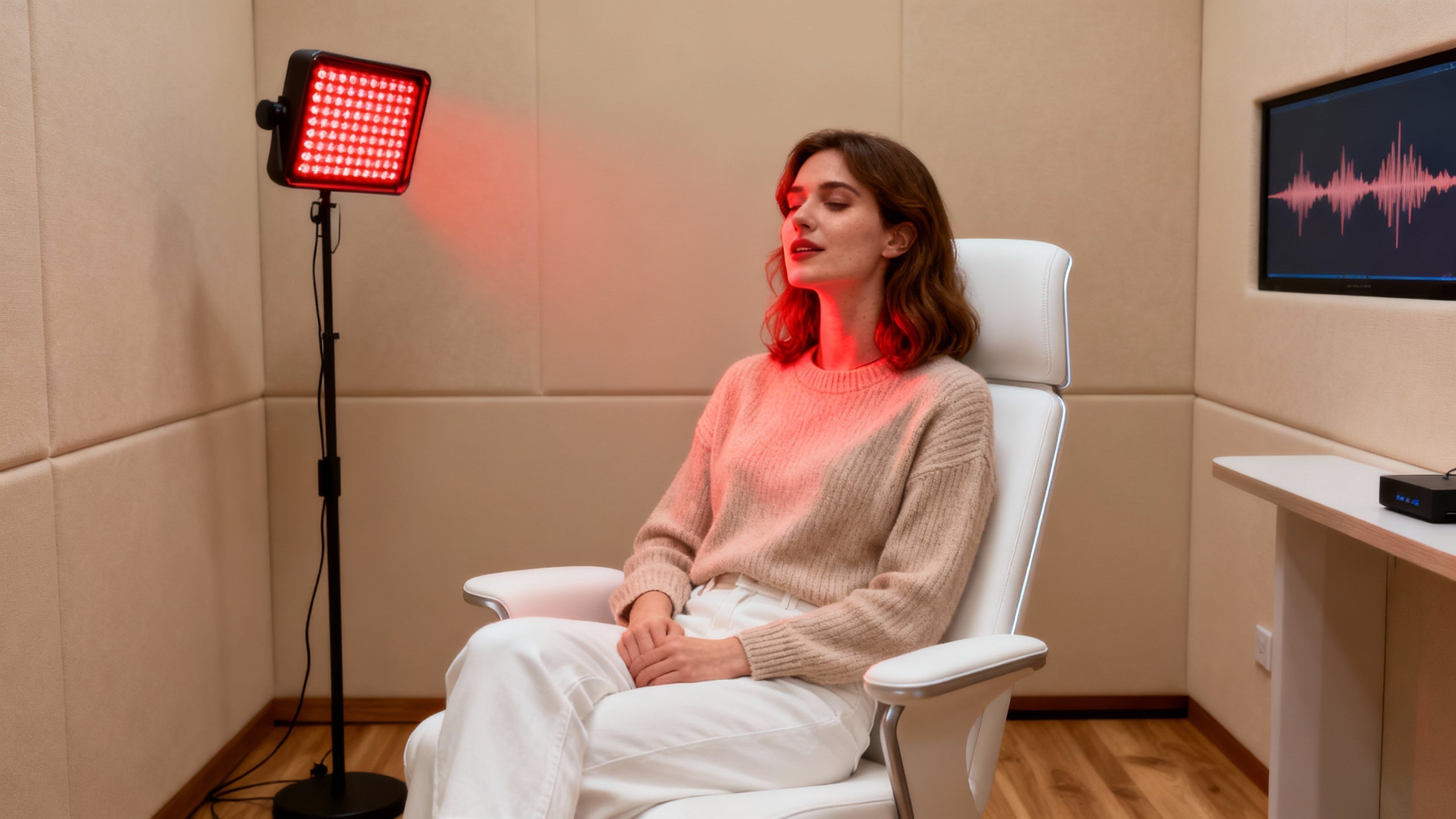
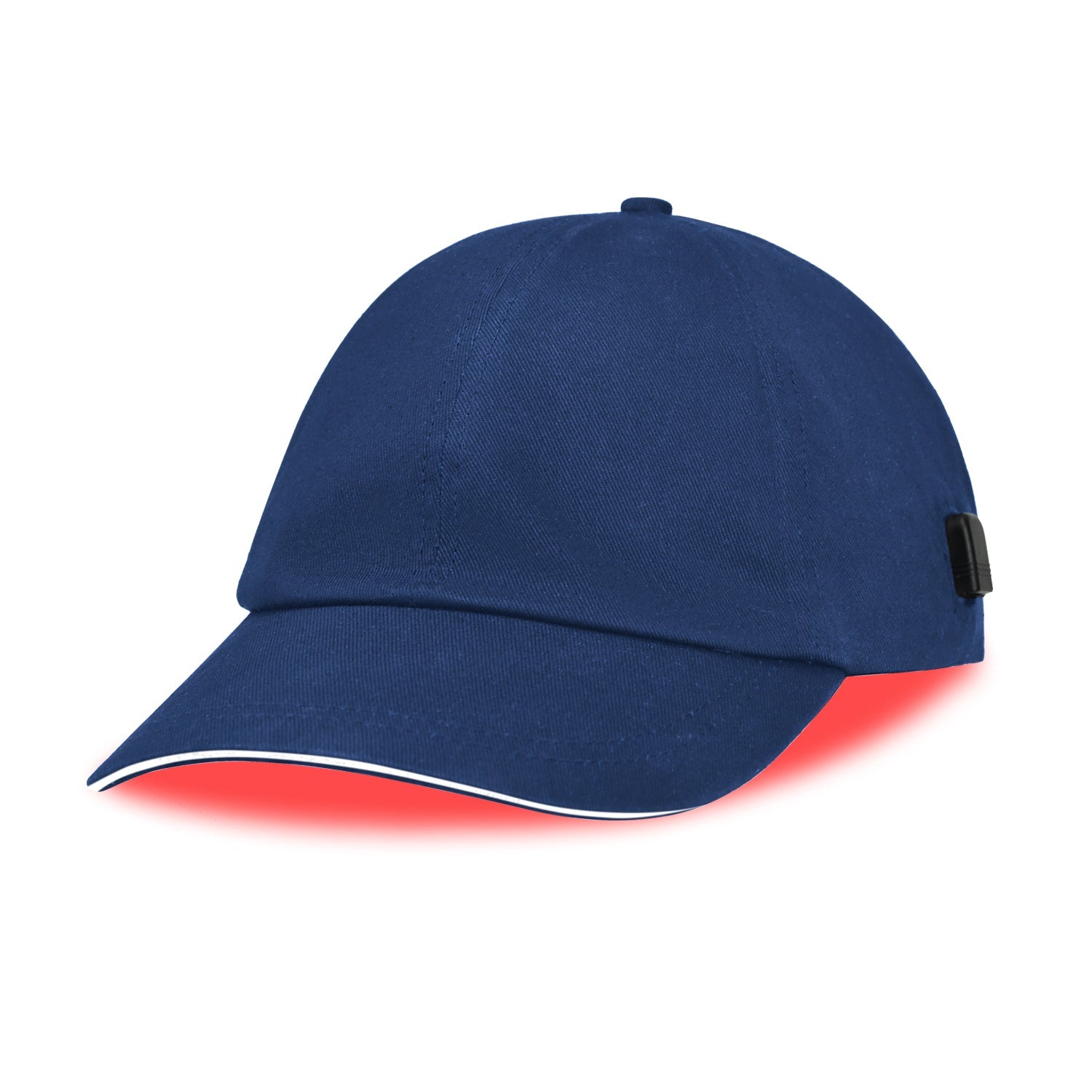
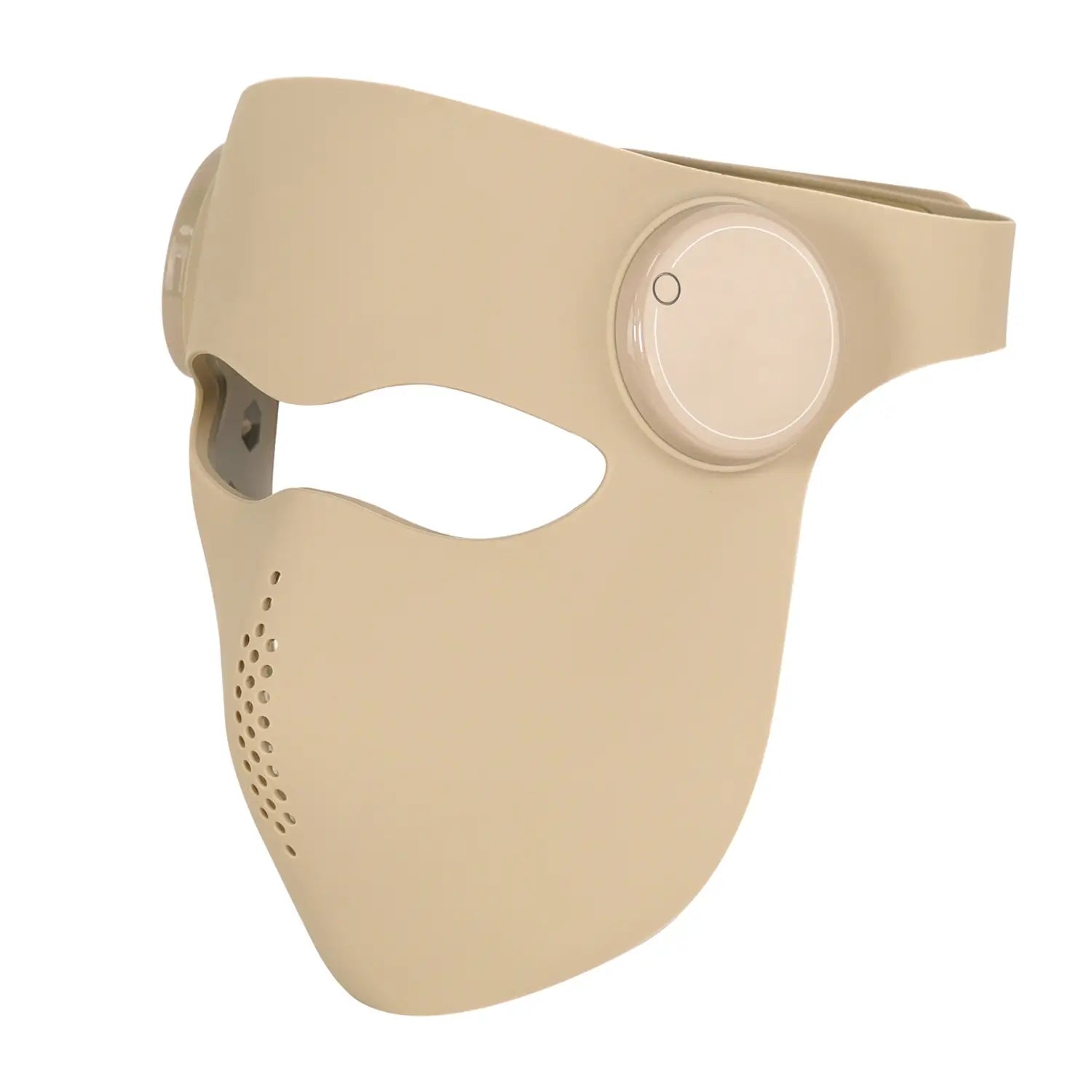
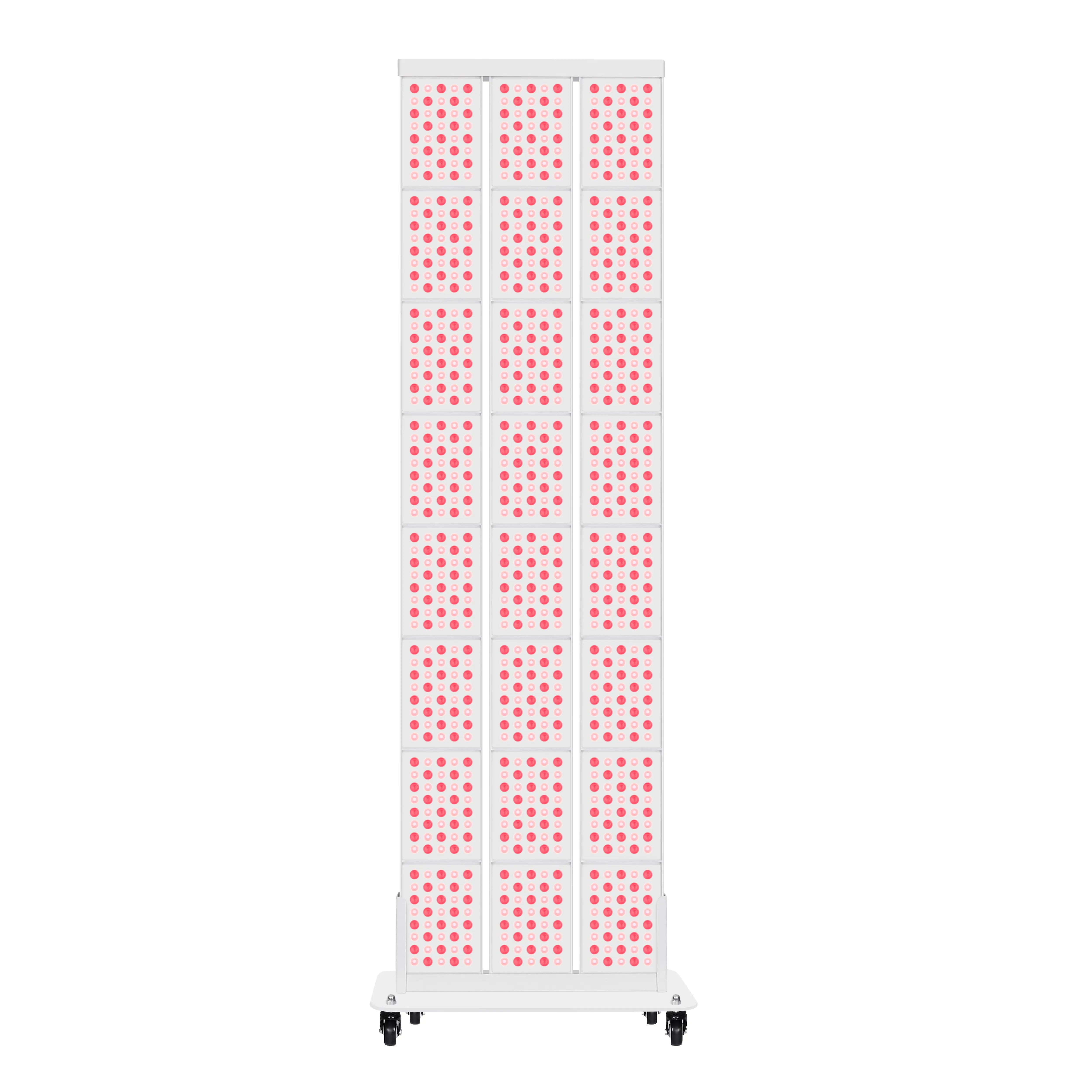
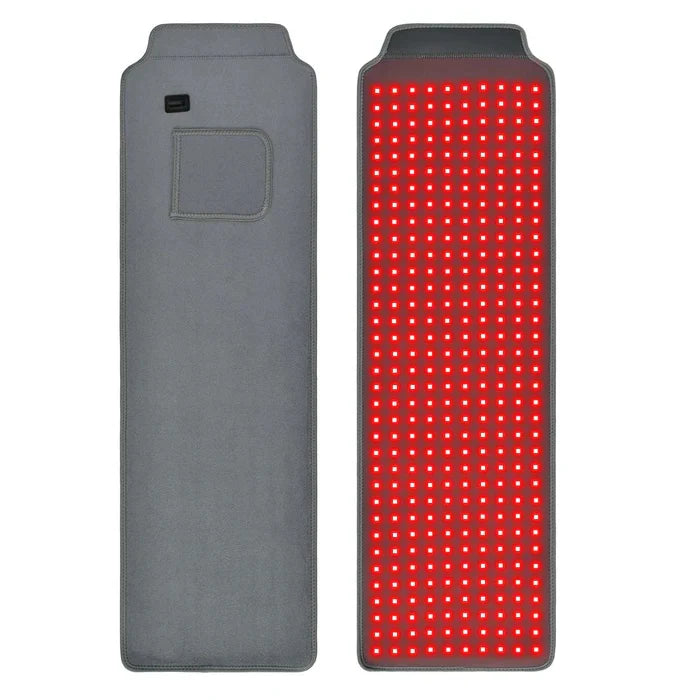
Clinically, there are several device types:
|
Device type |
Typical use in practice |
Notes for retired athletes |
|
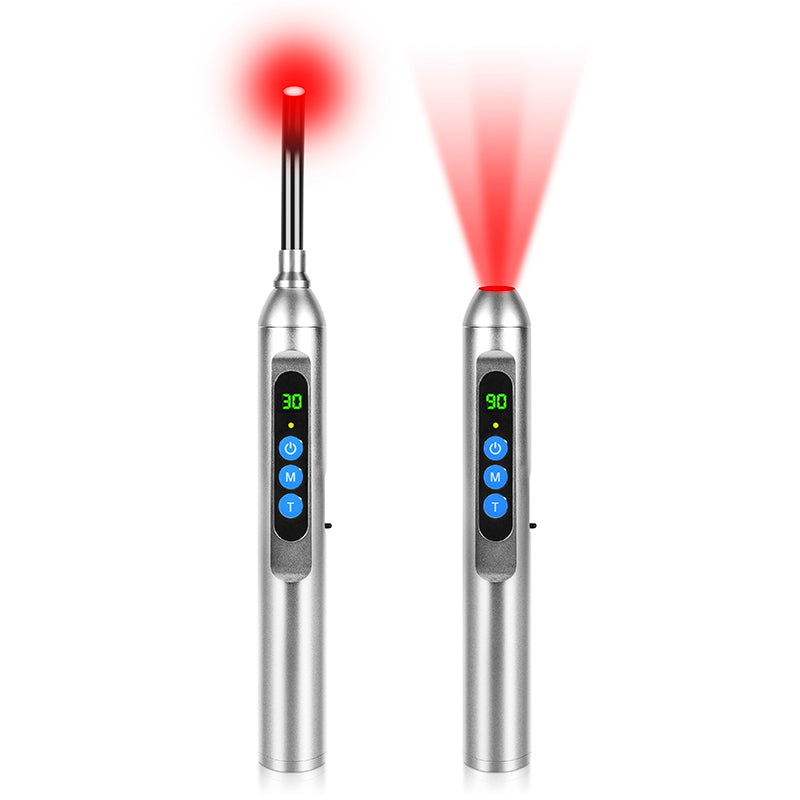
Targeted handheld or wrap (LED or low-level laser) |
Local pain such as knee arthritis, Achilles tendon pain, elbow tendinopathy |
Good for specific joints or tendons; convenient for home use |
|
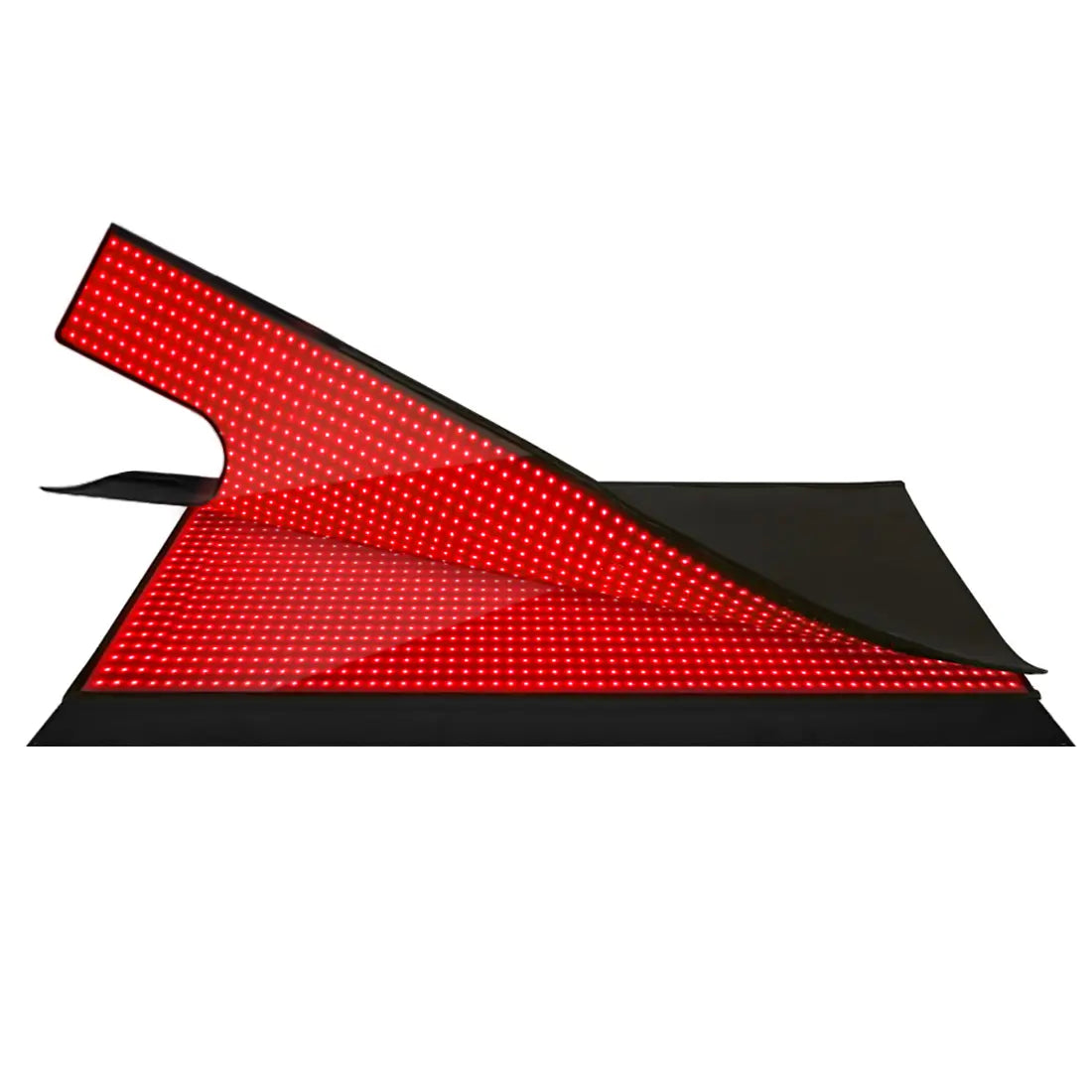
Medium panel or pad |
Larger regions such as low back, both knees, or shoulder complex |
Useful for multi-site pain; can be wall-mounted or placed on a stand |
|
Whole-body exposure used in some clinics and wellness centers |
Helpful when pain is widespread or recovery needs are systemic |
|
|
Clinic-grade laser or high-output LED system |
Supervised treatment in medical settings for post-surgical pain, stubborn arthritis, oral mucositis, and other conditions |
Higher power and tightly controlled dose; typically more expensive and often not covered by insurance |
Dermatology centers, sports medicine clinics, pain clinics, and even some cancer centers now use some form of photobiomodulation, according to reports from Brown Health, MD Anderson Cancer Center, and Monarch Medical. At the same time, at-home LED panels, wraps, and helmets have become widely available, although their power, wavelength accuracy, and dosing are highly variable.

How Red And Near Infrared Light Reduce Pain
Cellular Mechanisms: Mitochondria, Inflammation, And Nerves
A detailed review in AIMS Biophysics describes how red and near infrared light interact with the cell’s energy machinery. The primary known light absorber is an enzyme in the mitochondria called cytochrome c oxidase. When this enzyme absorbs photons at specific wavelengths, it appears to change how the mitochondrial electron transport chain functions, increasing oxygen consumption and adenosine triphosphate (ATP) production. In simple terms, cells get a temporary energy boost.
This mitochondrial “wake-up call” kicks off a cascade. The same review notes transient changes in reactive oxygen species, nitric oxide, and intracellular calcium. These signaling molecules then influence transcription factors such as NF-kB, which regulate genes involved in cell survival, antioxidant defenses, and inflammation. Importantly, the response is biphasic. Low to moderate doses stimulate beneficial responses, while very high doses can dampen those responses or even be inhibitory.
Another comprehensive review of photobiomodulation’s anti-inflammatory effects highlights that in many models, red and near infrared light shift immune cells away from a strongly pro-inflammatory state. It notes reductions in markers of the M1 macrophage phenotype, decreases in pro-inflammatory mediators, and improvements in oxidative stress profiles in tissues ranging from joints and brain to wounds and spinal cord.
On the nerve side, a musculoskeletal review of low-intensity laser and LED therapy describes how infrared wavelengths can modulate A-delta and C nerve fibers by altering ion flux through cell membranes and reducing mediators such as prostaglandin E2 and inflammatory cytokines like IL-6 and TNF-alpha. This can lead to relatively rapid inhibition of nociceptive signaling within minutes after treatment, particularly for acute or subacute pain.
The result of these overlapping mechanisms is a pattern most retired athletes care deeply about: less inflammatory signaling, calmer nerves, and cells that are better equipped to repair microdamage.
Tissue-Level Effects: Joints, Muscles, Tendons, And Nerves
The most relevant evidence for retired athletes comes from clinical trials in musculoskeletal pain.
A large review and meta-analysis of twenty-two randomized controlled trials in knee osteoarthritis found that red and near infrared photobiomodulation reduced pain significantly compared with placebo at the end of treatment and at follow-up ranging from one to twelve weeks. Importantly, the analysis emphasized that adequate dosing mattered. Trials using recommended energy doses and wavelengths showed stronger benefits, while under-dosed protocols often failed to outperform placebo.
In non-specific knee pain, a multicenter trial with eighty-six participants used a multi-wavelength protocol three times per week for four weeks, combined with standard rehabilitation. Pain scores improved by roughly fifty percent, and the group receiving photobiomodulation plus rehab did about fifteen percent better than rehab alone, with functional gains persisting at thirty-day follow-up.
Post-surgical pain is another critical area. A randomized, triple-blind, placebo-controlled study in hip replacement patients, published in Lasers in Medical Science and summarized in both Degree Wellness and the musculoskeletal review, applied red and near infrared photobiomodulation over the surgical incision. The treated group experienced an immediate postoperative pain decrease that was eighty-two percent greater than the placebo group, along with signs of reduced inflammation.
Evidence in fibromyalgia is more mixed but promising when dosing is adequate. A larger trial in one hundred sixty women found that both photobiomodulation alone and photobiomodulation combined with exercise produced about fifty percent greater pain reduction than placebo, with the combined approach showing the largest reductions in tender points and functional impairment. Given how many retired athletes develop widespread pain syndromes over time, this is worth noting.
Monarch Medical reports clinical experience using red and near infrared light for neuropathic pain and nerve regeneration, with benefits such as reduced burning and tingling in neuropathy and post-surgical nerve injury, as well as improvements in tender-point sensitivity and fatigue in fibromyalgia. While these reports are not randomized trials, they are consistent with broader literature showing improved nerve conduction and reduced peripheral neuropathic symptoms under certain parameters.
Finally, University of Arizona Health Sciences researchers have demonstrated that phototherapy with green light can reduce pain in conditions like fibromyalgia and migraine by about fifty percent, with decreases in flare frequency and improvements in sleep, quality of life, and function. That work uses a different wavelength band and an eye-mediated pathway, but it reinforces a larger point: when we deliver the right light, at the right dose, consistently over weeks, pain and inflammatory biology can shift in a clinically meaningful way.
What This Means For Retired Athletes
When you map these studies onto the reality of a retired athlete’s body, patterns emerge.
Arthritic knees and hips resemble the osteoarthritis cohorts in those randomized trials. Tendinopathies and chronic muscle pain resemble the non-specific knee pain and tendinopathy populations where photobiomodulation has shown benefit. Widespread soreness, sleep disruption, and central sensitization echo the fibromyalgia studies and the University of Arizona green light work.
Main Line Health notes that red light therapy is already widely used by elite athletes and professional sports teams to handle joint pain, muscle recovery, and tendon injuries. University Hospitals reports that athletes and trainers use red light therapy to improve muscle performance, enhance recovery, and reduce pain from acute and chronic musculoskeletal conditions. Clinicians at MD Anderson and Brown Health frame red light as a tool to reduce inflammation and pain in joints and muscles and to accelerate tissue repair in some contexts.
The unifying theme across these sources is that red light therapy is most powerful as an adjunct. It supports but does not replace intelligent training, physical therapy, strength work, nutrition, and, when needed, medical or surgical care. For retired athletes, it is a way to add a non-drug, non-invasive stimulus that nudges your biology toward less inflammation and better recovery while you keep doing the work that truly rebuilds capacity.
Choosing The Right Device And Setup
Choosing equipment and protocols is where most people either overspend or under-dose. The goal is to get a device that matches your pain pattern and lifestyle, then run it at parameters that resemble successful research, not random social media advice.
Match The Device To Your Pain Pattern
If your primary issue is a couple of problem joints, such as both knees or a surgically repaired shoulder, a targeted wrap or medium pad is usually the most practical choice. Devices like knee wraps, shoulder wraps, or rectangular flexible pads can sit directly on the joint or within a few inches, which is exactly how many research protocols position their light sources. Brown Health and Main Line Health note that these setups are well suited for arthritis, tendon pain, and muscle injuries.
If your pain is more global, perhaps involving low back, hips, and multiple joints, a larger panel or even a full-body pod may make sense. Main Line Health mentions whole-body pods used when patients have multiple painful conditions at once. These devices bathe large areas in light simultaneously, which is convenient when pain is not confined to one or two spots.
If you have access to a clinic that offers photobiomodulation using high-grade lasers or specialized LED systems, it is worth considering at least a course of supervised treatment. The musculoskeletal review and Degree Wellness both note that clinical devices often deliver higher intensity and more consistent wavelengths than consumer devices, and they were the tools used in many of the trials showing meaningful improvements in osteoarthritis, post-surgical pain, and fibromyalgia.
Wavelengths And Power: Staying In The Sweet Spot
Several medical sources, including Brown Health, Cleveland Clinic, and AIMS Biophysics, converge on a similar set of principles.
You want red light in the visible range around 600 to 700 nanometers and near infrared light from the high 700s up to about 1,000 nanometers. A photobiomodulation review notes that tissue penetration is poor between roughly 700 and 770 nanometers and improves again near 810 nanometers, which is often used in research.
The PESI light therapy guide emphasizes avoiding the 700 to 780 nanometer window and suggests that a mix of red and near infrared wavelengths provides versatility across tissues and depths. It also notes that intensity matters: an intensity around what you would get from the sun at the skin, roughly twenty-four milliwatts per square centimeter, appears to be a sweet spot between too weak (no effect) and too strong (potentially counterproductive). Importantly, many inexpensive consumer devices greatly exceed this intensity, which encourages people to shorten sessions rather than apply a well-studied dose.
The AIMS Biophysics review backs up the dosing concern. It describes experiments where moderate energy densities around three joules per square centimeter increased mitochondrial function and beneficial signaling, while much higher doses around thirty joules per square centimeter decreased mitochondrial membrane potential below baseline and produced a different pattern of oxidative signaling. In other words, more is not always better.
Session Length And Frequency
Clinical and dermatology sources suggest a fairly consistent cadence for musculoskeletal and skin targets. Brown Health reports that treatments typically last ten to twenty minutes and are delivered two to five times per week over four to twelve weeks. The Cleveland Clinic notes that many protocols involve one to three sessions per week over several weeks or months, with occasional touch-ups. WebMD similarly emphasizes that you usually need repeated sessions over weeks or months to see benefits.
For chronic pain, the musculoskeletal review points out that the analgesic effect of photobiomodulation on nerves tends to last less than twenty-four hours for acute nociceptive inhibition, which is why chronic pain protocols often involve regular re-application.
The University of Arizona green light trials used a more intensive schedule for fibromyalgia and migraine: one to two hours every night for ten weeks, with benefits becoming noticeable around the third week and building thereafter. That protocol is specific to green light through the visual system, but the time course is instructive. Phototherapy is not a one-and-done intervention. Pain, sleep, and quality of life improved gradually over weeks, not days.
For a retired athlete using a joint or full-body device, this all suggests a pragmatic pattern. A common starting point is about ten to twenty minutes per target area, three to five times per week, for at least eight weeks, provided that your device’s intensity and wavelengths are within the therapeutic ranges described above. The exact schedule should be set with your clinician, but the key is consistency over months, not intensity in a single marathon session.
Integrating With Rehab, Strength Work, And Medication
Every source worth listening to, from the University of Arizona to Monarch Medical to Brown Health, emphasizes that light is a complement, not a replacement.
For joint and tendon pain, the musculoskeletal review and European guidelines on fibromyalgia consistently recommend exercise as a cornerstone intervention. Trials that combined photobiomodulation with exercise often saw the largest improvements in pain and function. Monarch Medical describes integrating red light therapy with targeted exercises and stretching, joint or trigger point injections when needed, nutritional strategies, and non-opioid medications such as duloxetine or pregabalin.
MD Anderson stresses that in cancer care, red light is used to reduce complications like oral mucositis and pain from radiation or chemotherapy, not to replace core treatments. The University of Arizona Health Sciences team frames phototherapy as a tool to decrease reliance on medications and procedures rather than a substitute for them.
For retired athletes, that means the most effective plan often looks like this: maintain or restart an intelligent strength and mobility program; use physical therapy or manual therapy to address specific dysfunctions; work with your physician on a rational, minimal medication strategy; and layer red or near infrared light in as a regular supportive stimulus.

Pros, Cons, And Realistic Expectations
A balanced view is essential, especially for someone who has heard a lifetime of overblown claims about treatments.
|
Aspect |
Potential upside for retired athletes |
Real limitations and cautions |
|
Pain relief |
Randomized trials show meaningful reductions in osteoarthritis pain, non-specific knee pain, and post-surgical pain when dosing is adequate. Reviews note benefits in neck and back pain and tendinopathy. |
Effects are often moderate, not miraculous, and some trials show no added benefit when under-dosed or poorly designed. Pain frequently returns if therapy stops. |
|
Function and recovery |
Studies report improved joint mobility and function, less delayed-onset muscle soreness, and better quality of life in fibromyalgia and migraine with phototherapy. |
Gains depend on combining light with movement and rehab. Light alone does not rebuild muscle strength or joint stability. |
|
Safety |
Medical sources including Cleveland Clinic, Brown Health, and The Conversation describe red and near infrared photobiomodulation as very safe when used correctly, with minimal side effects such as transient redness or warmth. No UV exposure and no evidence of cancer risk from therapeutic doses. |
Incorrect use, especially with high-intensity devices or lasers, can cause eye damage or skin irritation. Long-term safety data for heavy lifelong use are still limited, and people with skin cancer history, active infections, or photosensitizing medications need medical oversight. |
|
Convenience and control |
At-home devices allow you to manage chronic pain without needing a clinic appointment every time. Elite athletes use them to fine-tune performance and recovery. |
Quality and true output of consumer devices are highly variable. Many are underpowered or mis-specified, and treatments require a significant time commitment several days per week. Costs are usually out of pocket. |
|
Scope of benefits |
Evidence-based indications include certain chronic pain conditions, arthritis, tendinopathies, wound complications, and skin and hair issues. |
Claims for dramatic anti-aging, weight loss, performance enhancement, and wide-ranging disease cures remain unproven or speculative. The Conversation and Stanford experts both warn against over-interpreting early data. |
Sources like The Conversation, WebMD, and Stanford Medicine all stress that some of the loudest marketing claims are not yet supported by strong clinical evidence, especially for broad wellness or cognitive enhancement claims. For pain and inflammation, however, randomized controlled trials and meta-analyses do show enough consistent benefit to justify cautious, well-informed use.

A Sample Weekly Pattern For A Retired Athlete
To make this concrete, imagine a retired basketball player with chronic knee osteoarthritis, lower back stiffness, and a history of hip surgery.
On three non-consecutive days each week, such as Monday, Wednesday, and Friday, they might perform a focused strength and mobility session with emphasis on hips, knees, and trunk. Before or after that session, they would use a red and near infrared device that covers both knees and the lower back for about ten to twenty minutes, staying within the device’s recommended distance and wearing proper eye protection if any part of the beam approaches the face.
Two additional days each week, they might run a shorter session targeting only the most symptomatic joint, for example the postoperative hip or the more painful knee, again for ten to twenty minutes. On those days, the light session might be paired with lower-intensity activities such as walking, cycling, or pool work.
They would commit to this pattern for at least eight to twelve weeks, tracking pain levels, stiffness on waking, and performance metrics like walking distance or time to warm up. Adjustments to duration and frequency would be made with guidance from a clinician familiar with photobiomodulation and based on how symptoms respond. The key is that the light sessions are folded into an overall plan rather than treated as a stand-alone cure.
Safety, Contraindications, And When To Avoid Red Light
Cleveland Clinic, Brown Health, MD Anderson, WebMD, and The Conversation provide a consistent safety message. Red light therapy is generally safe, noninvasive, and free from serious side effects when used as directed. It does not use ultraviolet light, so it does not carry the same skin cancer risk as tanning beds. Most reported issues are mild and temporary, such as redness, tightness, or irritation of the skin.
However, there are important caveats. Eye exposure is a real risk with both lasers and bright LEDs. Medical centers routinely use goggles and shields to protect the eyes, and at home you should do the same whenever the device is near your face. Brown Health and WebMD both emphasize protective eyewear as standard practice.
The musculoskeletal review notes that photobiomodulation is contraindicated over areas of known carcinoma, at sites of active infection, and over the thoracoabdominal or pelvic regions in pregnant women. Brown Health likewise advises caution or avoidance in individuals with a history of skin cancer, active skin infections, or those taking photosensitizing medications, which can include some antibiotics, acne medications, and diuretics.
MD Anderson points out that for pain management, red light therapy remains investigational, with no definitive large randomized trials defining optimal dose, frequency, or duration. That means treatment plans should be individualized by qualified providers rather than improvised at maximum power. The Conversation notes that overdosing usually reduces the benefits rather than causing catastrophic harm, but that is hardly a reason to ignore dosing science.
For retired athletes, the practical safety rule is simple. Clear any use of red or near infrared therapy with your primary physician or specialist, especially if you have a history of cancer, eye disease, photosensitive conditions, or are on medications that increase light sensitivity. Start with conservative session lengths within evidence-based ranges and stop immediately if you notice worsening symptoms or unexpected skin changes.
Brief FAQ For Retired Athletes
Can red light therapy replace my pain medications?
Most clinical sources present red light therapy as a complement rather than a replacement. The University of Arizona team, Monarch Medical, and The Conversation all emphasize that phototherapy can help reduce reliance on medications by lowering pain and inflammation, but it should sit inside a multimodal plan that includes exercise, physical therapy, and, when necessary, appropriately prescribed drugs. Some patients in practice can taper their medication doses over time under medical supervision, but that is an outcome to monitor, not a promise.
How quickly will I notice a difference?
Timelines vary by condition and severity. In the University of Arizona green light trials for migraine and fibromyalgia, participants typically began to feel benefits after about three weeks of daily use, with continued improvements throughout the ten-week protocol. Musculoskeletal trials in osteoarthritis and non-specific knee pain usually ran for four to twelve weeks with sessions several times per week, and pain reductions were assessed at the end of that period and at follow-up. In real-world pain clinics, many patients report subtle benefits in the first few weeks that accumulate over months. For a retired athlete with longstanding issues, thinking in terms of months rather than days is realistic.
Does red light therapy help with old injuries and surgical scars?
There is evidence that red light can support wound healing and reduce certain scar-related complications, especially soon after surgery. Stanford dermatology experts describe research where early red light treatment after eyelid surgery led to scars healing in about half the time on the treated side compared with the untreated side, although by six weeks scars looked similar. A hip replacement trial showed improved early pain and inflammation when photobiomodulation was applied over the incision. For very old scars, structural changes may be limited, but improved circulation and reduced local inflammation can still translate into less discomfort around the area.
Is it worth investing in an at-home device?
WebMD, Brown Health, Cleveland Clinic, and UCLA Health all note that home devices are generally less powerful than clinic devices and often deliver slower or smaller results. That said, they can be worthwhile if you understand their limits. For a retired athlete, the value proposition is strongest if you are prepared to use the device consistently several times per week, your expectations are calibrated to modest improvements rather than miracles, and you choose a device with documented wavelengths in the red and near infrared range and reasonable intensity. Consulting with a clinician beforehand can prevent costly mistakes.
Closing Thoughts
If you are a retired athlete living with chronic pain, red light therapy is not a magic reset button. It is closer to a quiet, steady teammate in the background, nudging your cells toward better energy production, calmer inflammation, and more efficient repair while you keep doing the hard work of training smart and caring for your body. Used thoughtfully, in partnership with your medical and rehab team, it can help you keep playing your own version of the long game: more movement, less pain, and better quality of life long after the final whistle.
References
- https://lms-dev.api.berkeley.edu/ultra-red-light
- https://www.academia.edu/55678407/Comparative_clinical_study_of_light_analgesic_effect_on_temporomandibular_disorder_TMD_using_red_and_infrared_led_therapy
- https://digitalcommons.cedarville.edu/cgi/viewcontent.cgi?article=1013&context=education_theses
- https://epublications.marquette.edu/cgi/viewcontent.cgi?article=1002&context=dentistry_fac
- https://nsuworks.nova.edu/cgi/viewcontent.cgi?article=2599&context=ijahsp
- https://healthsciences.arizona.edu/news/stories/exploring-phototherapy-new-option-manage-chronic-pain
- https://pmc.ncbi.nlm.nih.gov/articles/PMC5523874/
- https://www.northwell.edu/news/the-latest/high-frequency-electrical-stimulation-helps-reduce-inflammation-pain
- https://safety.dev.colostate.edu/Resources/aSYmtp/6GF204/red_light__therapy__for_nerve_regeneration.pdf
- https://med.stanford.edu/news/insights/2025/02/red-light-therapy-skin-hair-medical-clinics.html