
Red light therapy, also known as photobiomodulation (PBMT), is gaining traction as a noninvasive adjunct in veterinary care for supporting pain management, mobility, and recovery in pets. For dogs dealing with arthritis, hip dysplasia, or post-surgical healing, it offers a complementary option when used under veterinary guidance with species-specific protocols. Clinical-grade devices, particularly flexible mats, can provide practical coverage for larger treatment areas common in big breeds, but success depends heavily on proper dosing, consistent application, and avoiding direct transfer of human protocols.

Understanding Veterinary Photobiomodulation
Photobiomodulation uses specific wavelengths of light to influence cellular processes, and veterinary medicine has adopted it as an adjunct for various conditions. According to peer-reviewed sources, veterinary photobiomodulation is used as an adjunct for musculoskeletal injuries, pain management, wound care, and some neurologic applications (Laser Therapy - PMC).
The American Animal Hospital Association (AAHA) notes that PBMT may be used for chronic conditions in dogs and cats, including osteoarthritis and hip or elbow dysplasia (What Is Photobiomodulation Therapy?). This positions PBMT as part of multimodal care rather than a standalone solution.
Peer-reviewed veterinary literature describes photobiomodulation as a growing adjunct in both human and veterinary medicine (Photobiomodulation Therapy in Veterinary Medicine). However, veterinary consensus guidance supports practical use of light-based therapies, but exact protocols still depend on the condition, device, and patient context (Clinical practice recommendations and expected outcomes ...).
Common Conditions Treated in Pets
Veterinary professionals frequently apply PBMT to support dogs with joint issues. Controlled veterinary research has reported reduced pain and improved clinical findings in dogs with hip osteoarthritis after PBMT (A randomized double-blinded controlled trial on the effects of photobiomodulation therapy in dogs with hip osteoarthritis).

In canine osteoarthritis management, repeated PBMT was associated with improved pain outcomes and lower NSAID requirement in one trial (A randomized blind placebo-controlled trial investigating the effects of photobiomodulation therapy on the treatment of canine osteoarthritis). Veterinary rehabilitation guidance places laser therapy within multimodal arthritis management for dogs (Physical Rehabilitation for Arthritis in Dogs - Veterinary Partner).
For post-surgical recovery, PBMT may help reduce inflammation and support tissue repair as part of a rehab plan. Equine applications focus on larger muscle groups and joints, often in stable settings, where treatment area and handling differ notably from small-animal protocols.
Clinical Evidence and Study Insights
Evidence for PBMT in pets comes primarily from controlled studies rather than broad guarantees. One blinded placebo-controlled canine osteoarthritis study reported benefit with repeated treatments around 10 to 20 J/cm² per joint over six weeks (A randomized blind placebo-controlled trial investigating the effects of photobiomodulation therapy on the treatment of canine osteoarthritis).
This range is study-specific and should not be taken as a universal prescription. Veterinary literature consistently stresses that results should still be interpreted in the context of protocol, supervision, and patient-specific factors (Evaluation of the effect of photobiomodulation on joint range of motion in healthy horses).
For equine recovery, current evidence here supports broader rehabilitation use of photobiomodulation, but a horse-specific protocol should be treated as device- and case-dependent (Evaluation of the effect of photobiomodulation on joint range of motion in healthy horses).
Study-Reported PBMT Fluence in Canine Osteoarthritis
Use as a study-specific visual cue only; values are illustrative and should not be read as official dosing standards.
View chart data
| Category | Fluence per joint (J/cm2) |
|---|---|
| Reported study range | 15.0 |
| Typical veterinary PBMT consideration | 12.0 |
Illustrative, study-specific visualization based only on provided evidence: one blinded placebo-controlled canine osteoarthritis study reported benefit with repeated treatments around 10 to 20 J/cm2 per joint over six weeks. The second bar is a cautious midpoint-style reference to indicate typical veterinary PBMT considerations should be species-specific and not copied from human protocols; it is not an official statistic.
Dosage and Protocol Considerations for Animals
Adapting red light therapy for pets requires significant adjustments from human use. At-home pet use should not copy human protocols; dosing and exposure need to be species- and device-specific and guided by a veterinarian (Laser Therapy - PMC).
Typical veterinary sessions may last 5–20 minutes depending on the device irradiance, area treated, and condition. Treatments are often scheduled several times per week initially, then tapered for maintenance. For canine arthritis or hip dysplasia, focus is usually on the affected joints rather than full-body exposure unless using a large mat.
Veterinary rehabilitation literature describes PBMT as a commonly used noninvasive adjunct in animal rehab (Evaluation of the effect of photobiomodulation on joint range of motion in healthy horses). Always start with professional assessment to determine appropriate parameters for your pet's size, coat thickness, and specific issue.
Choosing the Right Device: Mats vs Panels
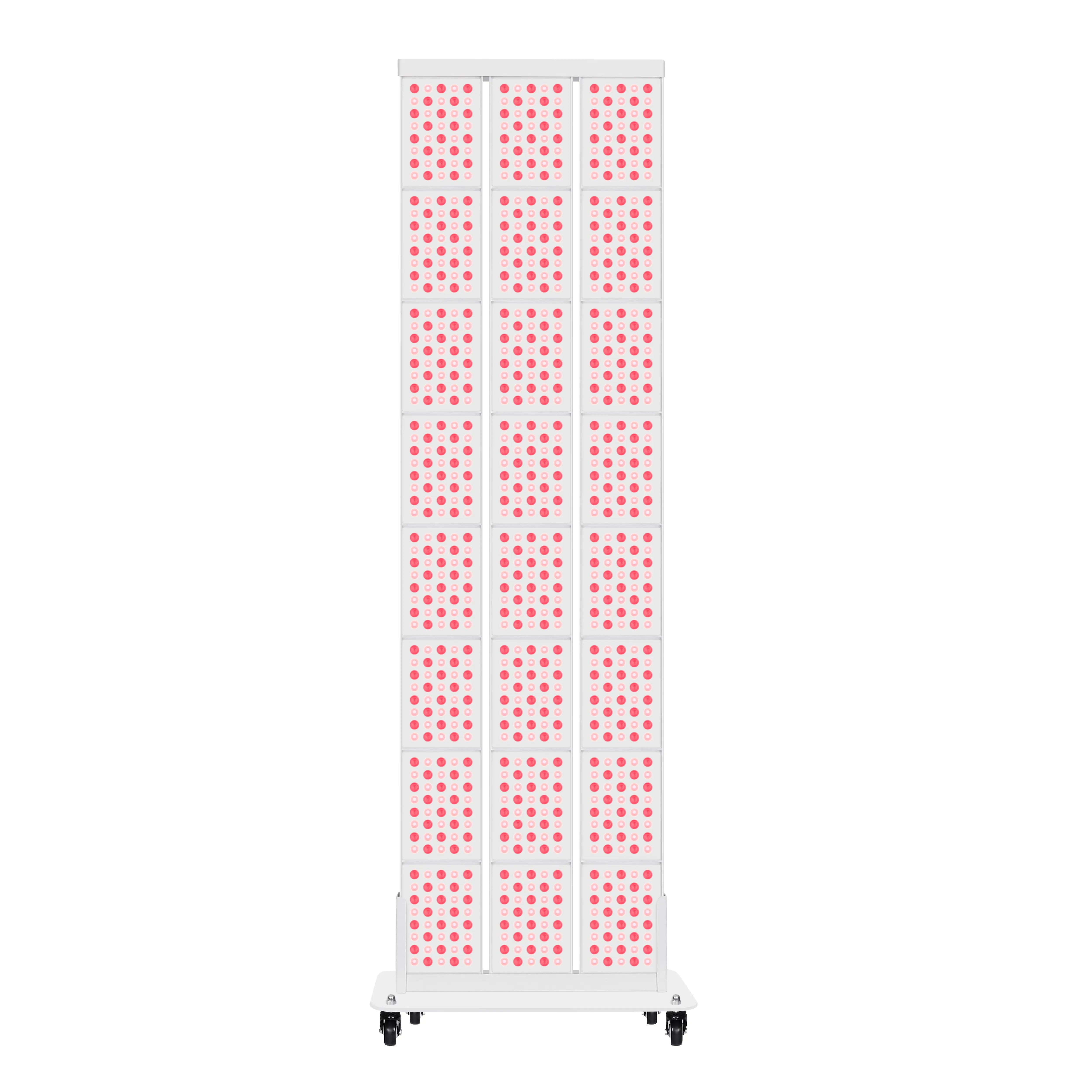
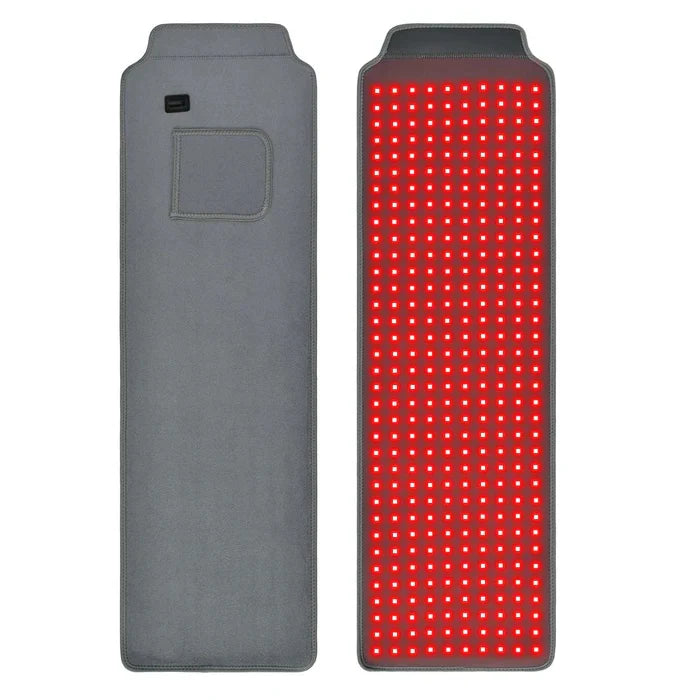
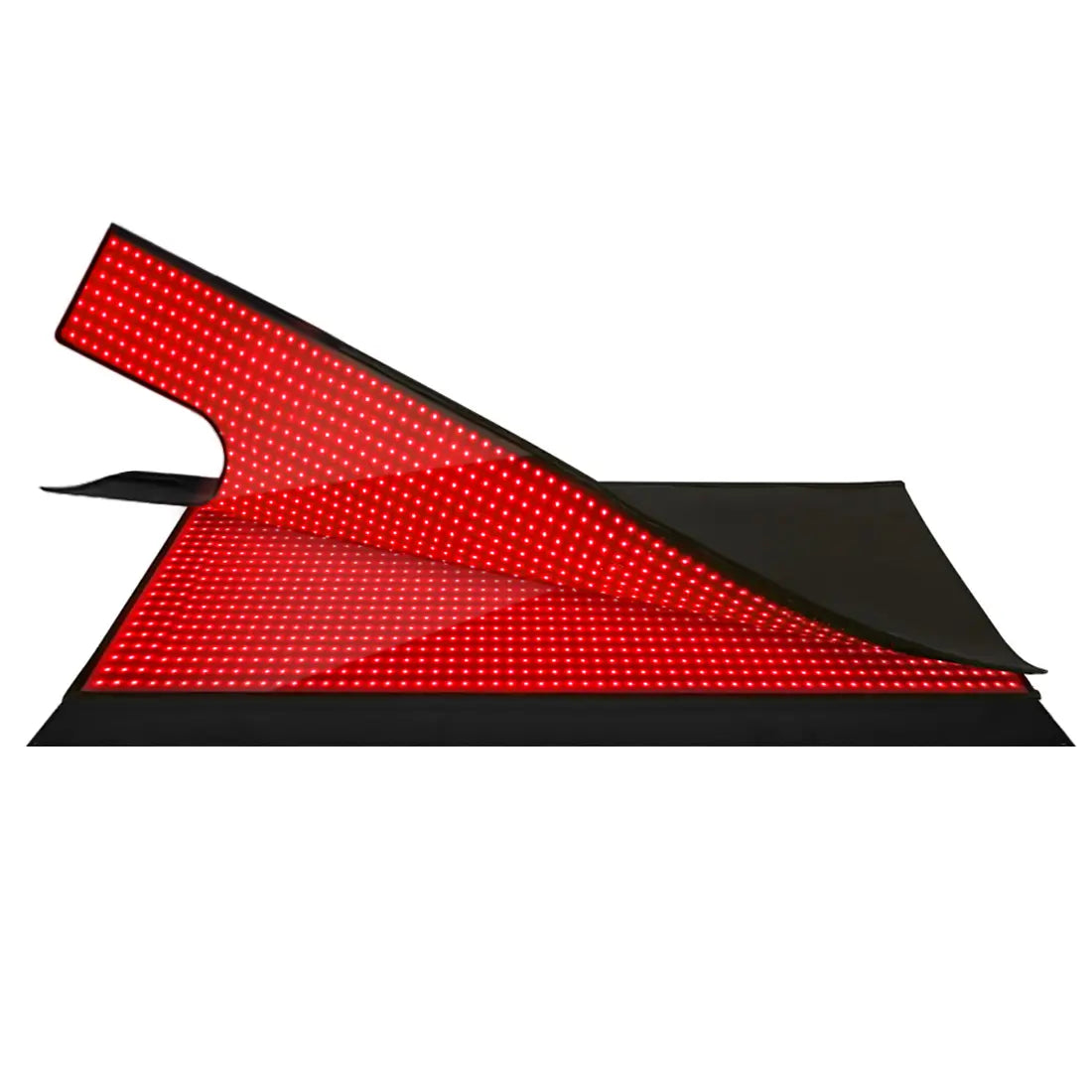
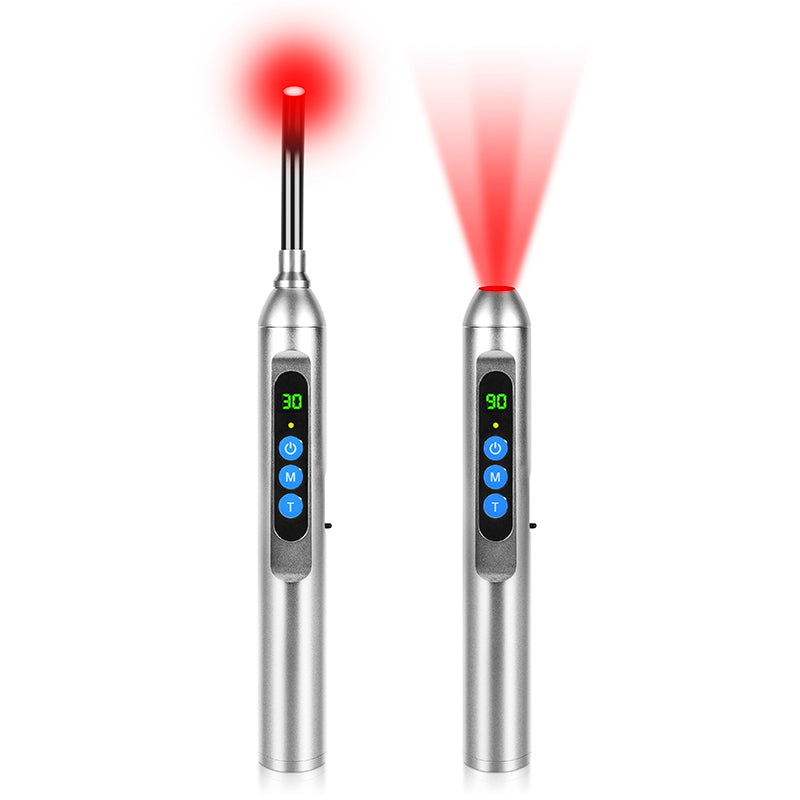
Device format matters greatly for practical use in veterinary settings. Small panels or handheld units work well for targeted areas but become cumbersome for large breeds or multiple joints. Mat-style devices allow the animal to lie down naturally, delivering more even coverage across the back, hips, and limbs in a single session.
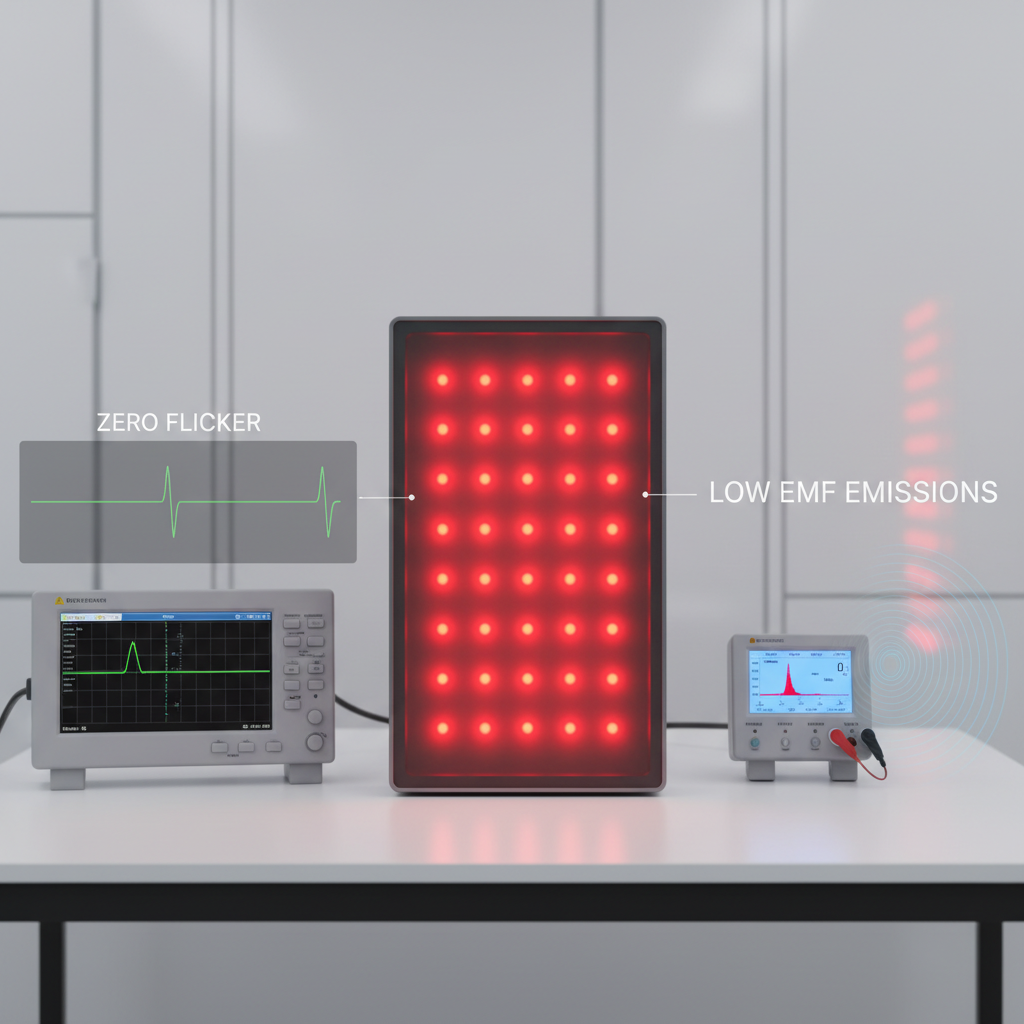
For large-breed dogs with arthritis or hip dysplasia, mats reduce handling stress and improve compliance. Clinical-grade veterinary red light therapy devices should deliver consistent irradiance while maintaining low EMF and proper wavelength output. Look for devices designed for durability and easy cleaning in home or clinic environments.
When comparing options, prioritize irradiance measurement using proper spectroradiometry rather than basic solar meters, as accurate dosing directly affects outcomes. Flexible mats also simplify integration into rehab workflows where animals may have limited mobility post-surgery.
At-Home Use and Safety Guidelines
Many pet owners successfully incorporate red light therapy for dog arthritis at home, but safety remains paramount. PBMT is frequently used in animal rehabilitation, but results and adverse-effect expectations should still be tied to protocol and supervision (Evaluation of the effect of photobiomodulation on joint range of motion in healthy horses).
Key safety practices include:
- Always consult your veterinarian before starting treatment
- Protect the pet's eyes with appropriate goggles or by directing light away from the face
- Clean the device regularly, especially when used on animals with wounds
- Monitor for any skin irritation or behavioral changes
- Track progress with mobility metrics such as willingness to walk or climb stairs
For post-surgical recovery, begin only after veterinary clearance to avoid interfering with healing phases. Equine users should note that horses require larger treatment areas and different restraint considerations compared to dogs.
Integrating PBMT into Veterinary Workflows
Clinics use photobiomodulation as part of physical rehabilitation programs for arthritic dogs. Sessions can be scheduled alongside other modalities such as exercise therapy, massage, or hydrotherapy. Veterinary professionals evaluating red light therapy as a clinic-service should consider both handheld and mat formats to accommodate different patient sizes.
For rehabilitation specialists, documenting treatment parameters (wavelength, irradiance, fluence, and session time) helps track outcomes consistently. This data-driven approach supports better patient-specific adjustments over time.
When to Approach with Caution
Red light therapy is not appropriate for every situation. Avoid use over tumors, active infections, or directly on the eyes without protection. Pregnant animals or those with photosensitivity conditions require veterinary evaluation first.
Do not expect immediate dramatic results. Most studies show cumulative benefits over several weeks of consistent treatment. If symptoms worsen or fail to improve, reassess the protocol with your veterinarian rather than increasing dose independently.
Practical Checklist for Pet Owners and Clinics
Before purchasing or using a veterinary-grade red light therapy device:
- Confirm the device provides measurable irradiance suitable for the target tissue depth
- Verify wavelengths fall in the therapeutic red and near-infrared range (typically 660nm and 850nm)
- Choose mat format for large breeds or multi-joint treatment
- Plan for professional guidance on initial dosing
- Set realistic expectations for adjunctive rather than curative benefits
- Prepare a quiet, comfortable space for sessions where the pet can relax
This checklist helps translate abstract benefits into actionable steps tailored to your pet's needs and living environment.
Veterinary red light therapy continues to evolve as more studies refine our understanding of optimal parameters for different species and conditions. By prioritizing evidence-informed, veterinarian-guided protocols and practical devices such as therapy mats, both clinics and dedicated pet owners can support better mobility and comfort for their animals.
Important Note on Health and Safety: This article discusses comfort and setup considerations for red light therapy in pets. It does not constitute medical advice, diagnosis, or treatment. Red light therapy should only be used under the guidance of a qualified veterinarian. If your pet has persistent discomfort, existing medical conditions, or is recovering from surgery, consult a veterinary professional before beginning any light therapy regimen.
Related Reading
For deeper technical context on photobiomodulation standards, irradiance measurement, and safety, consider exploring authoritative resources on proper device evaluation.