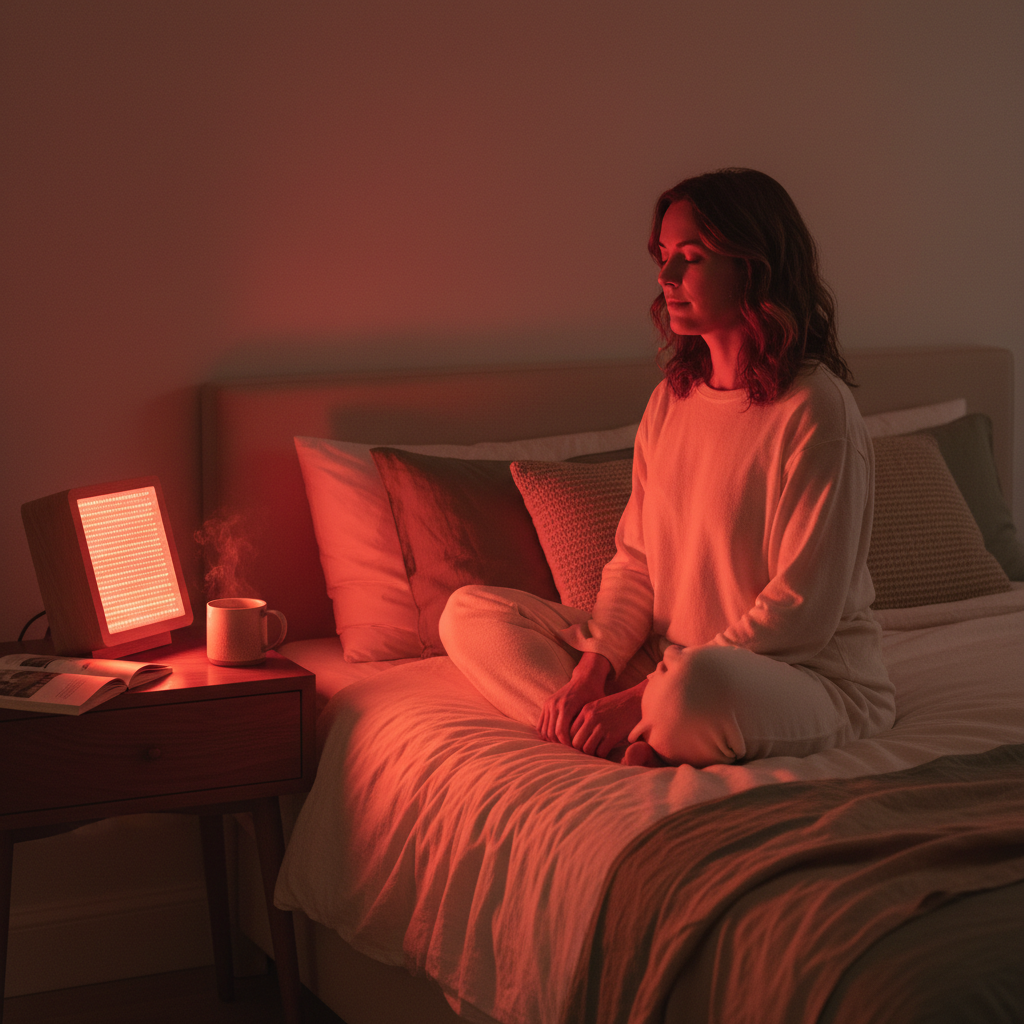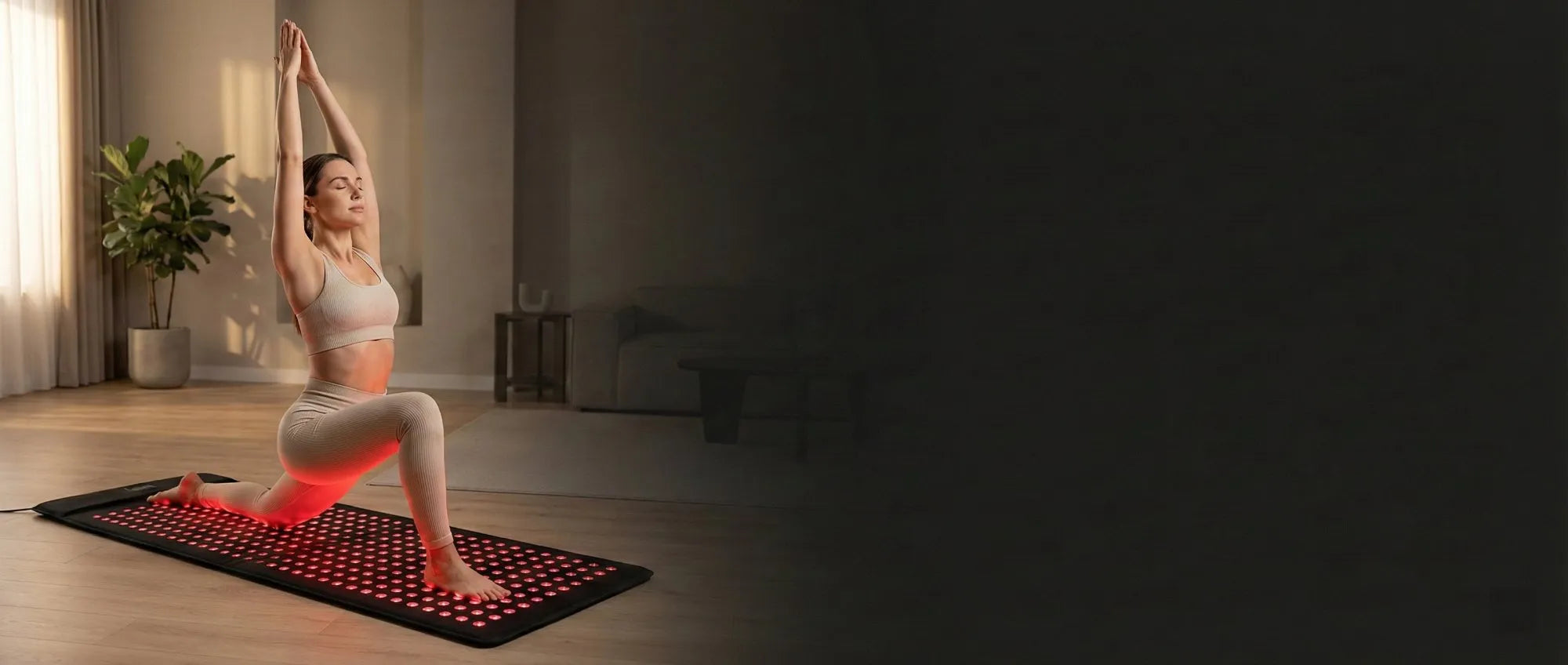
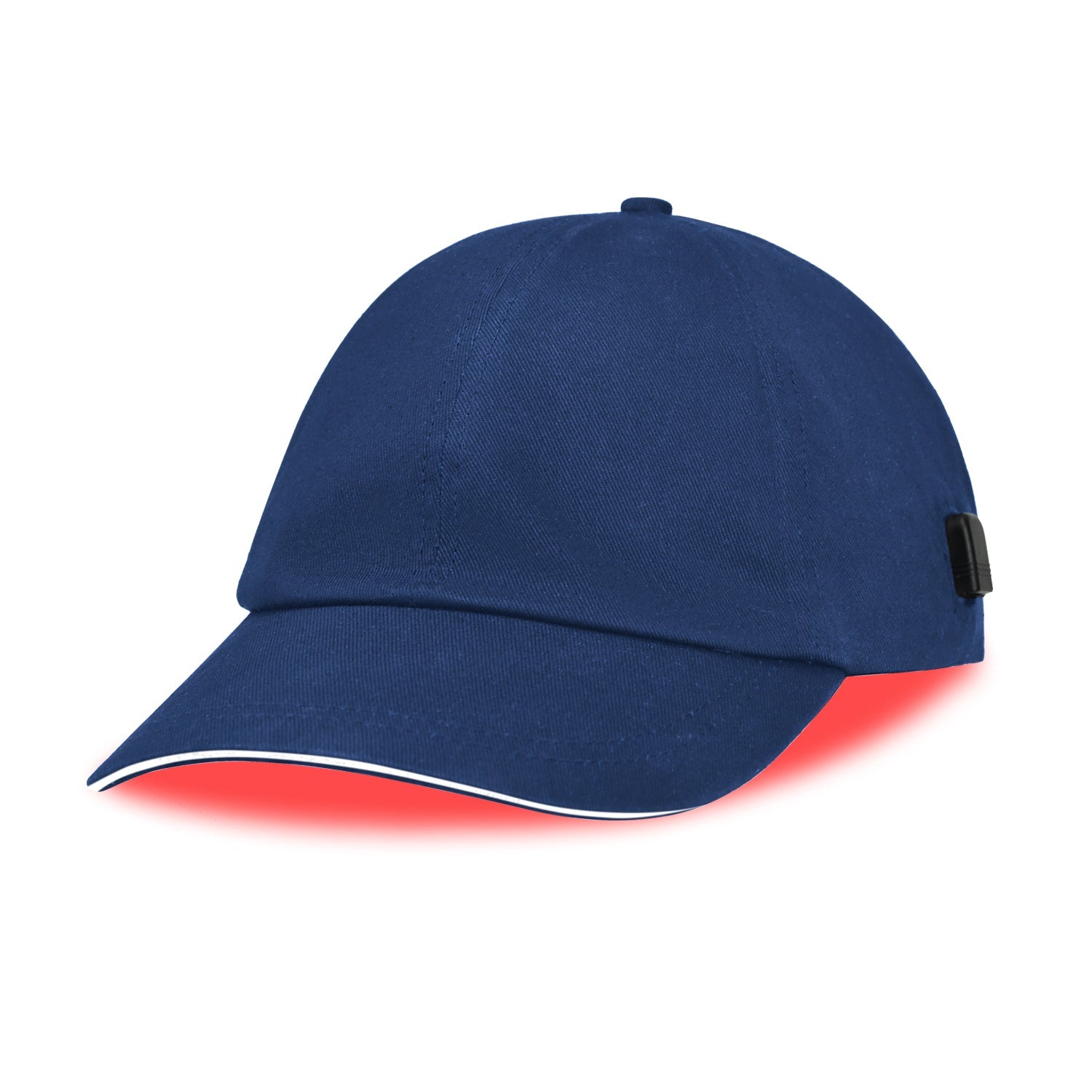
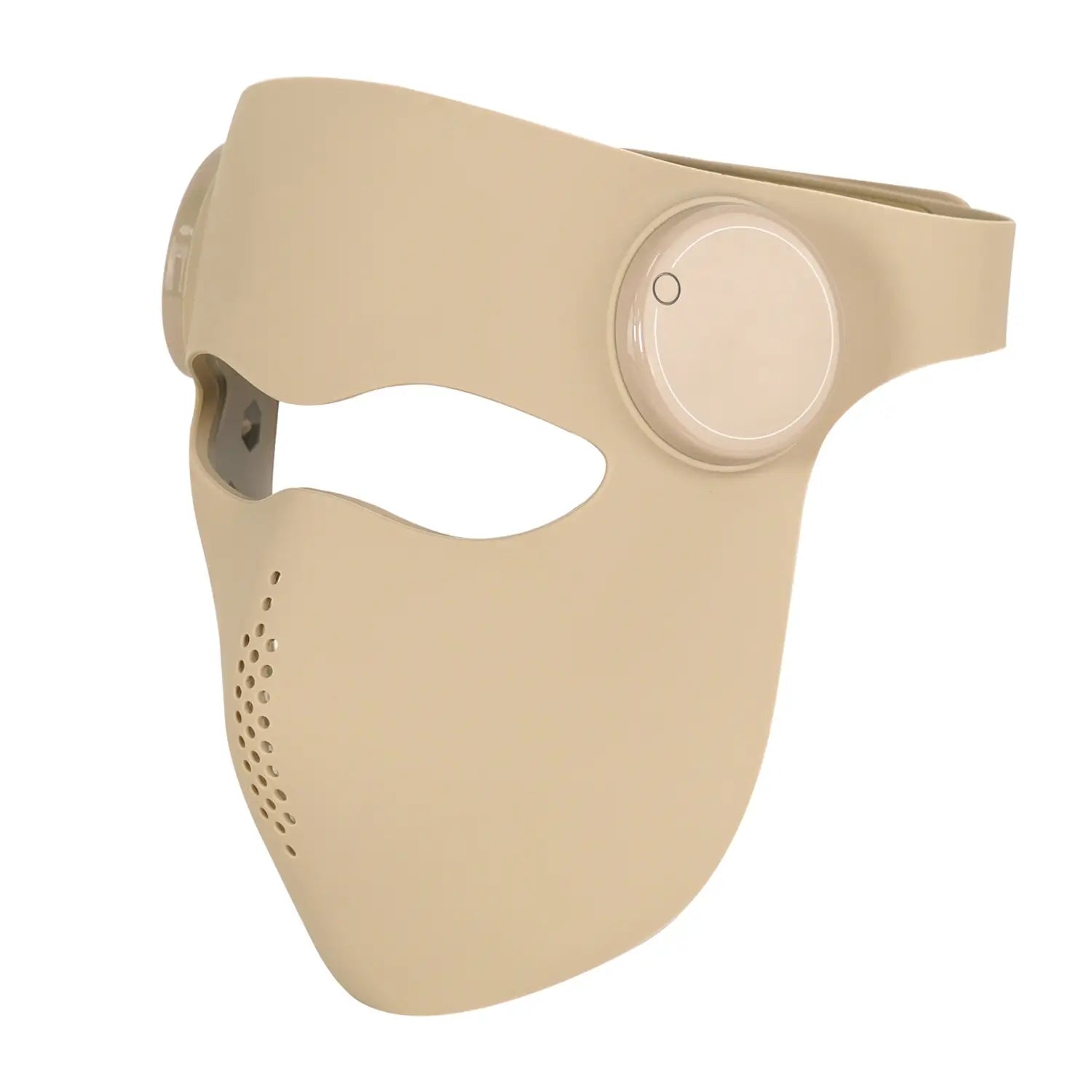

Red light therapy offers a favorable safety profile as a non-invasive wellness option when users follow device instructions and choose well-designed equipment, but common concerns around eyes, thyroid exposure, electromagnetic fields (EMF), flicker, and session length deserve clear, practical answers. By understanding evidence-based guidelines and technical standards, buyers can confidently select low-risk devices and establish routines that minimize discomfort while supporting their goals.

Understanding Red Light Therapy Safety Basics
Red light therapy, also known as photobiomodulation, uses specific wavelengths of red and near-infrared light to interact with cells. Major health systems describe it as generally low-risk when applied appropriately, yet individual factors and device quality determine real-world comfort and outcomes. This article examines the five most frequent safety questions consumers raise before purchase, drawing on clinical context, manufacturer testing practices, and user experience patterns.
As this Brown Health overview notes, red light therapy is positioned as a wellness modality rather than a medical treatment, reinforcing the importance of conservative use and professional consultation for any pre-existing conditions.
Eye Safety: Do You Need Protection?
Eye safety represents one of the top concerns for face and full-body panels. Bright LED output can cause temporary discomfort or strain if users stare directly into the lights. The American Academy of Ophthalmology provides general eye-health guidance that supports caution with intense light sources, recommending avoidance of direct staring and use of protective measures when appropriate.

Practical rule: For sessions targeting the face or when the panel sits close to eye level, wear the protective goggles supplied with quality devices or keep eyes closed. Lower-body treatments away from the face typically require less stringent eye protection. If you experience any visual discomfort, headaches, or irritation, stop use immediately and consult an eye-care professional, as emphasized in AAO eye health resources.
Many premium panels, including those from Youlumi, ship with certified eye protection and include clear usage instructions to reduce this risk. For users with migraines or light sensitivity, testing a short session at greater distance helps gauge personal tolerance before committing to regular use.
Thyroid and Neck Exposure: What the Evidence Says
Questions about red light therapy thyroid safety often arise because the neck area contains the thyroid gland, which is sensitive to various stimuli. Current public guidance does not establish a universal “always safe” or “always avoid” rule. Instead, caution is advised for direct, repeated exposure to the front of the neck, especially for individuals with known thyroid conditions such as Hashimoto’s.
Internal resources from Youlumi, including the detailed Red Light Therapy for Thyroid: Protocols for Hashimoto's, outline conservative placement strategies, wavelength considerations (particularly 850nm near-infrared), and the need for medical oversight. The consensus recommendation is to consult a healthcare provider before targeting the thyroid area and to begin with shorter sessions while monitoring how the body responds.
For general wellness routines that do not focus on the neck, incidental exposure during full-body or chest sessions is typically considered low concern by most wellness practitioners. The key is intentionality: avoid treating the thyroid as an afterthought and prioritize devices with accurate irradiance specifications so exposure remains controlled.
EMF Emissions: How Much Should You Worry?
Electromagnetic field (EMF) emissions from electronic devices prompt questions from health-conscious buyers. While all powered panels produce some EMF, the practical difference lies in design choices such as component shielding, driver quality, and distance from the body. Many users treat low-EMF performance as a comfort and preference feature rather than an absolute health necessity, provided measurements remain within typical consumer-device ranges.
The Why Zero-Flicker and Low-EMF Red Light Therapy Matters guide explains testing methods and why well-engineered panels can achieve noticeably lower readings. Youlumi panels emphasize low-EMF architecture alongside high irradiance, giving buyers a measurable standard to evaluate.
Decision heuristic: If you are highly sensitive to electrical fields or plan frequent close-range use, prioritize panels that publish third-party EMF test results at treatment distance. For most users, maintaining 6–12 inches of separation combined with a quality low-EMF design sufficiently addresses this consideration.
Flicker: Why Zero-Flicker Panels Reduce Discomfort
LED flicker, the rapid on-off cycling invisible to most people, can trigger headaches, eye strain, or fatigue in sensitive individuals. The IEEE 1789-2015 standard provides technical benchmarks for acceptable flicker in lighting, and many wellness devices now target zero detectable flicker at standard viewing conditions.
Flicker sensitivity varies widely. Users without migraine history or light sensitivity often notice no difference, while others report immediate comfort improvement with flicker-free drivers. The same zero-flicker and low-EMF guide offers practical ways to test panels using phone cameras or dedicated meters, helping shoppers verify claims before purchase.
Premium Youlumi models incorporate advanced drivers engineered for zero perceptible flicker, aligning with the comfort expectations of biohackers and migraine-prone users. When comparing devices, look beyond marketing language to confirmed flicker percentages or “flicker-free” certification under relevant standards.
Overuse Risks and Safe Dosage Guidelines
More is not automatically better in red light therapy. Following the Arndt-Schulz principle observed in photobiomodulation research, excessive exposure can reduce benefits or produce mild irritation, dryness, or fatigue. Official guidance consistently recommends starting conservatively and respecting manufacturer session limits, typically 10–20 minutes per area depending on irradiance.
This Brown Health resource reinforces the importance of following instructions to avoid redness or discomfort. Track your personal response: mild warmth is expected, but persistent heat, dryness, or headaches signal the need to reduce duration, frequency, or proximity.
A simple starting protocol for most users is 3–5 sessions per week at the manufacturer’s recommended distance and time, then adjusting based on tolerance. High-irradiance panels (>100 mW/cm² at treatment distance) often require shorter sessions than lower-output devices to deliver equivalent energy (J/cm²).
Decision Framework: When Safety Priorities Change
Safety recommendations shift according to user profile and treatment area rather than applying universally. The radar chart below illustrates a heuristic model derived from common usage patterns, internal testing insights, and the scenario considerations outlined earlier. Higher values indicate greater emphasis on that safety measure for the given user type.
Heuristic Decision Guide for Red Light Therapy Safety
Heuristic decision guide based on common usage patterns and manufacturer guidance.
View chart data
| Series | Eye protection | Thyroid caution | Low-EMF priority | Flicker-free priority | Session limit caution |
|---|---|---|---|---|---|
| General user | 2 | 2 | 2 | 2 | 2 |
| Eye-sensitive user | 5 | 2 | 3 | 4 | 3 |
| Thyroid-sensitive user | 3 | 5 | 2 | 2 | 3 |
| Frequent-use user | 2 | 2 | 4 | 4 | 5 |
Illustrative heuristic built from the scenario_matrix and myth_vs_reality modules, framed as a decision guide based on common usage patterns and manufacturer guidance. Scores use a 1-5 caution/relevance scale to avoid false precision; higher values mean stronger need to prioritize the safety item.
This model underscores that a single device may suit one user perfectly yet require adjustments for another. Eye-sensitive individuals benefit most from certified goggles and flicker-free performance, while those focusing on neck protocols should consult professionals and favor precise irradiance control.
Buyer Checklist: Choosing a Truly Safe Red Light Therapy Panel
Translating safety concepts into purchasing decisions requires evaluating measurable specifications rather than vague claims. Use this checklist when comparing panels:
- Verify flicker performance: Confirm “zero flicker” or <1% flicker index under IEEE-aligned testing, especially if you experience headaches or visual strain.
- Check published EMF readings: Look for third-party measurements taken at typical treatment distance (6–18 inches). Lower is better for sensitive users.
- Evaluate irradiance accuracy: Prefer devices that cite spectroradiometer-tested values rather than solar-meter approximations, as explained in Youlumi’s technical buyer’s guide.
- Review certifications: Seek FDA 510(k) clearance or equivalent medical-device standards where available. The FDA 510(k) vs. CE guide clarifies what these markings actually mean in 2026.
- Assess build quality and support: Quality cooling, accurate digital controls, and transparent test reports indicate overall engineering rigor that correlates with safer long-term use.
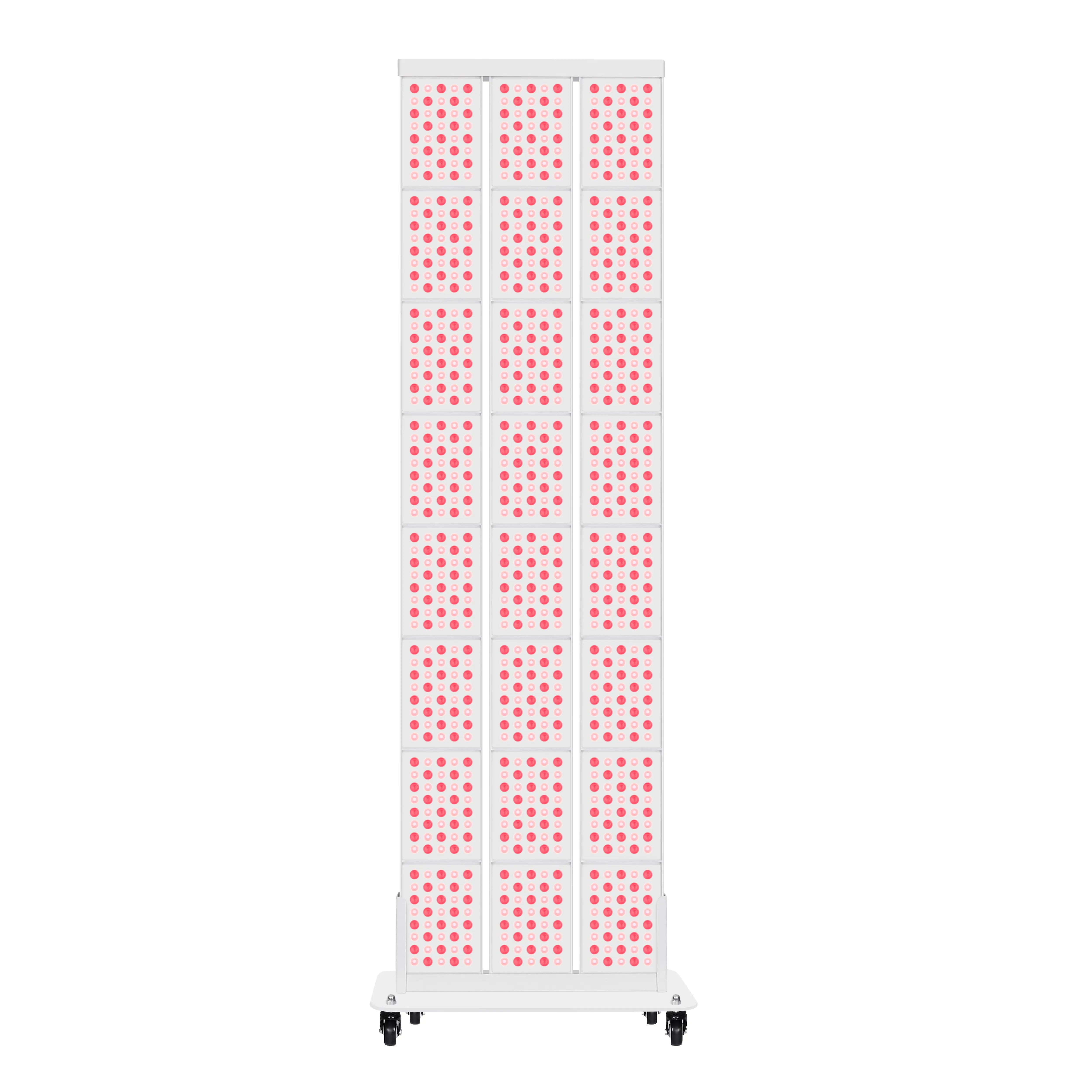
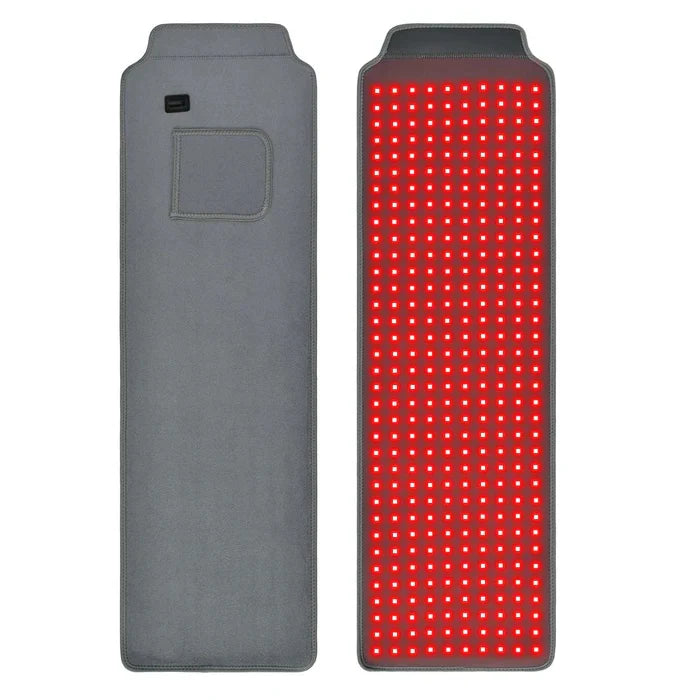
- Match device to your needs: Face-focused users may prefer compact, low-EMF 60W panels with included goggles, while full-body routines benefit from higher-output 1500W systems engineered for minimal flicker and EMF.
For broader selection, explore the complete Red Light Therapy Panel collection and cross-reference specifications against your sensitivity profile.
Myths vs. Reality in Red Light Therapy Safety
Several persistent misconceptions can either create unnecessary fear or encourage unsafe habits:
- Myth: Red light is always safe for the eyes with no protection needed. Reality: Brightness and proximity matter. Use supplied goggles for face treatments or when light feels intense.
- Myth: Any red light therapy is dangerous for the thyroid. Reality: Caution is prudent for direct neck exposure, particularly with existing thyroid conditions, but it is not a blanket prohibition.
- Myth: All EMF from panels is equally concerning. Reality: Well-shielded, low-EMF designs significantly reduce exposure; treat this as one of several screening criteria.
- Myth: Flicker is irrelevant in modern devices. Reality: It remains relevant for light-sensitive or migraine-prone users; zero-flicker engineering improves comfort measurably.
- Myth: Longer sessions always produce better results. Reality: Overuse frequently leads to irritation or plateaued benefits. Adhere to recommended times and listen to your body.
These clarifications, grounded in the scenario patterns and evidence boundaries reviewed earlier, help separate marketing noise from actionable standards.
Final Guidance: Prioritizing Evidence-Based Devices
Selecting a red light therapy panel ultimately comes down to matching technical performance with your personal risk tolerance and usage goals. Devices engineered for zero detectable flicker, low measured EMF, accurate irradiance, and clear usage protocols consistently earn trust among technical buyers and sensitive users alike.
Youlumi panels incorporate these standards across their range, from compact face and neck models to full-body systems. Whether you choose the portable 60W panel for targeted daily use or a larger 600W unit for comprehensive coverage, the emphasis on measurable safety metrics helps reduce the uncertainty that often blocks purchase decisions.
For additional technical depth, consult the Photobiomodulation Standards whitepaper and related guides on irradiance measurement and device certification.
Important Safety Note: This article discusses general comfort, setup practices, and technical considerations for red light therapy devices. It does not constitute medical advice, diagnosis, or treatment. Red light therapy should not replace professional medical care. If you have existing eye conditions, thyroid disorders, migraines, or experience persistent discomfort, skin irritation, or other symptoms, consult a qualified healthcare professional before beginning use. Individual responses vary, and appropriate guidance depends on your personal health profile.
When in doubt, begin with shorter sessions, maintain recommended distances, use provided eye protection, and choose equipment from manufacturers that publish transparent test data. This measured approach maximizes potential benefits while keeping safety front and center.