

Summary
The combination of Red Light Therapy (RLT) and Hyperbaric Oxygen Therapy (HBOT) represents a potent recovery protocol that leverages synergistic biological mechanisms to support tissue repair and optimize cellular energy. Red light therapy, or photobiomodulation (PBM), is theorized to work by displacing nitric oxide from cytochrome c oxidase in the mitochondria, potentially "unlocking" the cellular engine [1]. Hyperbaric oxygen therapy then provides a surplus of dissolved oxygen to fill those newly available sites, which may boost ATP production and modulate systemic inflammation [2]. This "Recovery Duo" is increasingly utilized in clinical and elite performance settings to address complex recovery needs, though users should note that combined protocols are still subject to ongoing clinical validation.
Medical Disclaimer & Disclosure: This article is for informational purposes only and does not constitute medical advice, diagnosis, or treatment. Always seek the advice of your physician or other qualified health provider with any questions regarding a medical condition. This content is provided by Youlumi, a manufacturer of red light therapy devices; however, the protocols discussed should be evaluated by a medical professional before implementation.

Key Takeaways
- Mitochondrial Synergy: RLT may clear the path for oxygen by removing inhibitory nitric oxide, while HBOT provides the oxygen substrate, potentially leading to a compounded increase in cellular energy (ATP) [1, 2].
- Optimal Sequencing: Current clinical heuristics suggest performing Red Light Therapy immediately prior to HBOT to maximize oxygen utilization during the hyperbaric session.
- Tissue Repair Support: Preliminary evidence suggests the duo may stimulate collagen synthesis and angiogenesis more effectively than single-modality treatments in specific hypoxic environments [3].
- Inflammatory Modulation: Combining these modalities may help regulate the body's inflammatory response through the stabilization of Hypoxia-Inducible Factor 1-alpha (HIF-1α) [2].
- Safety & Screening: This protocol requires strict adherence to safety margins. Individuals with pulmonary conditions, pregnancy, or ear issues must undergo clinical screening before use.
The Evolution of Recovery: Stacking Modalities in 2026
In the current landscape of high-performance recovery, the focus has shifted from isolated treatments to integrated "stacking" protocols. While both Red Light Therapy (RLT) and Hyperbaric Oxygen Therapy (HBOT) are established in clinical environments, their combined application—often referred to as the "Recovery Duo"—is now a common benchmark for systemic healing. This approach is based on the understanding that cellular repair is a multi-step process that can be optimized at different stages simultaneously.
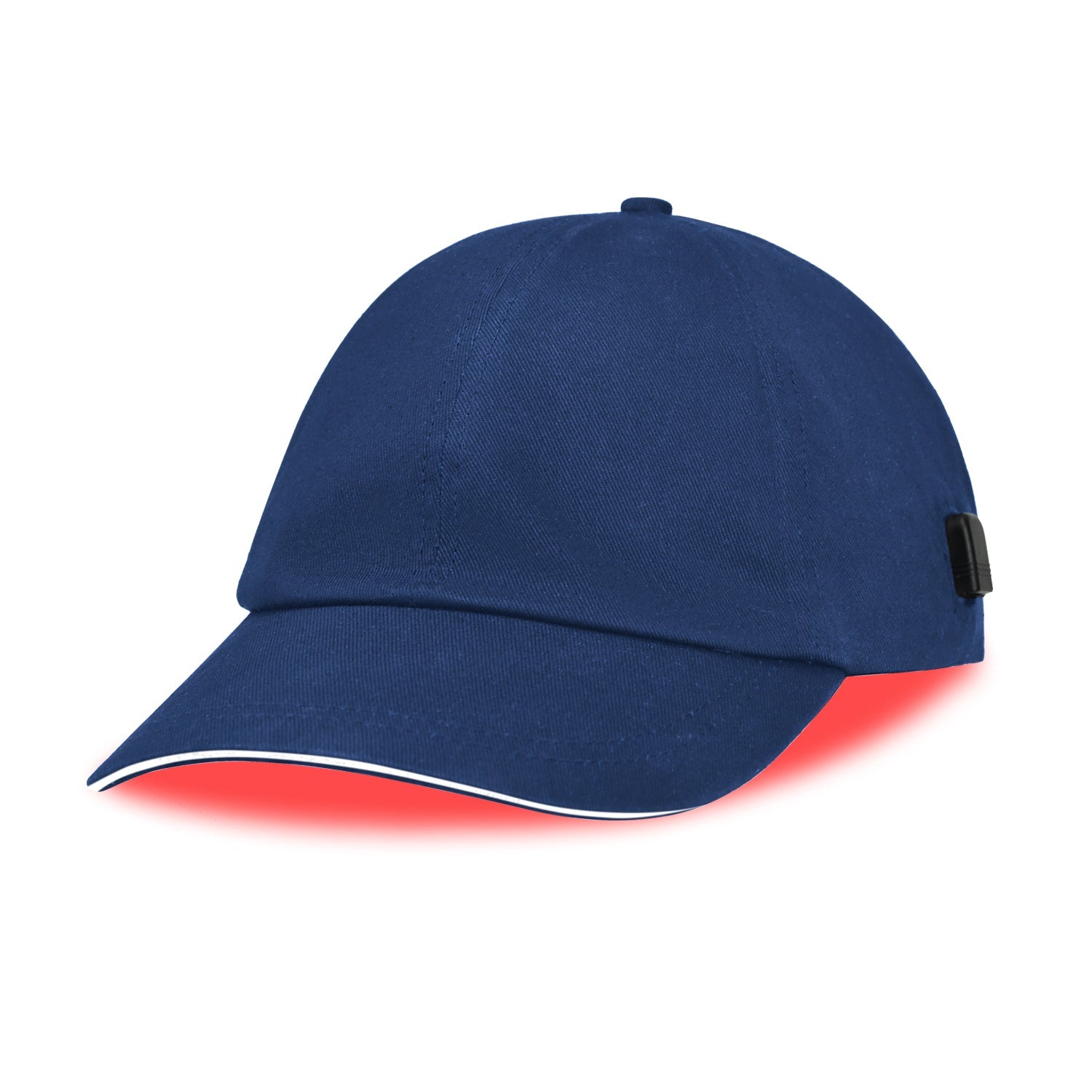
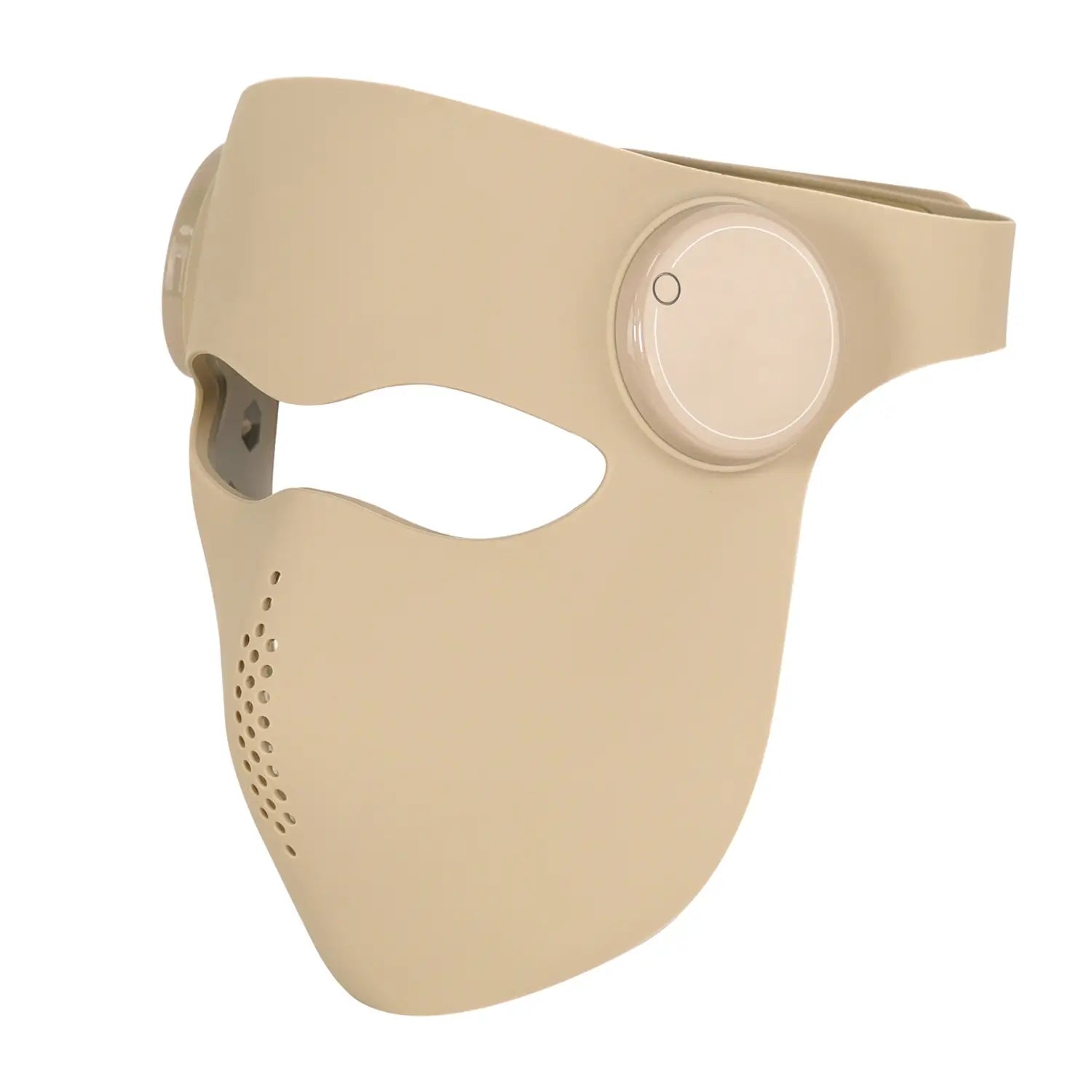
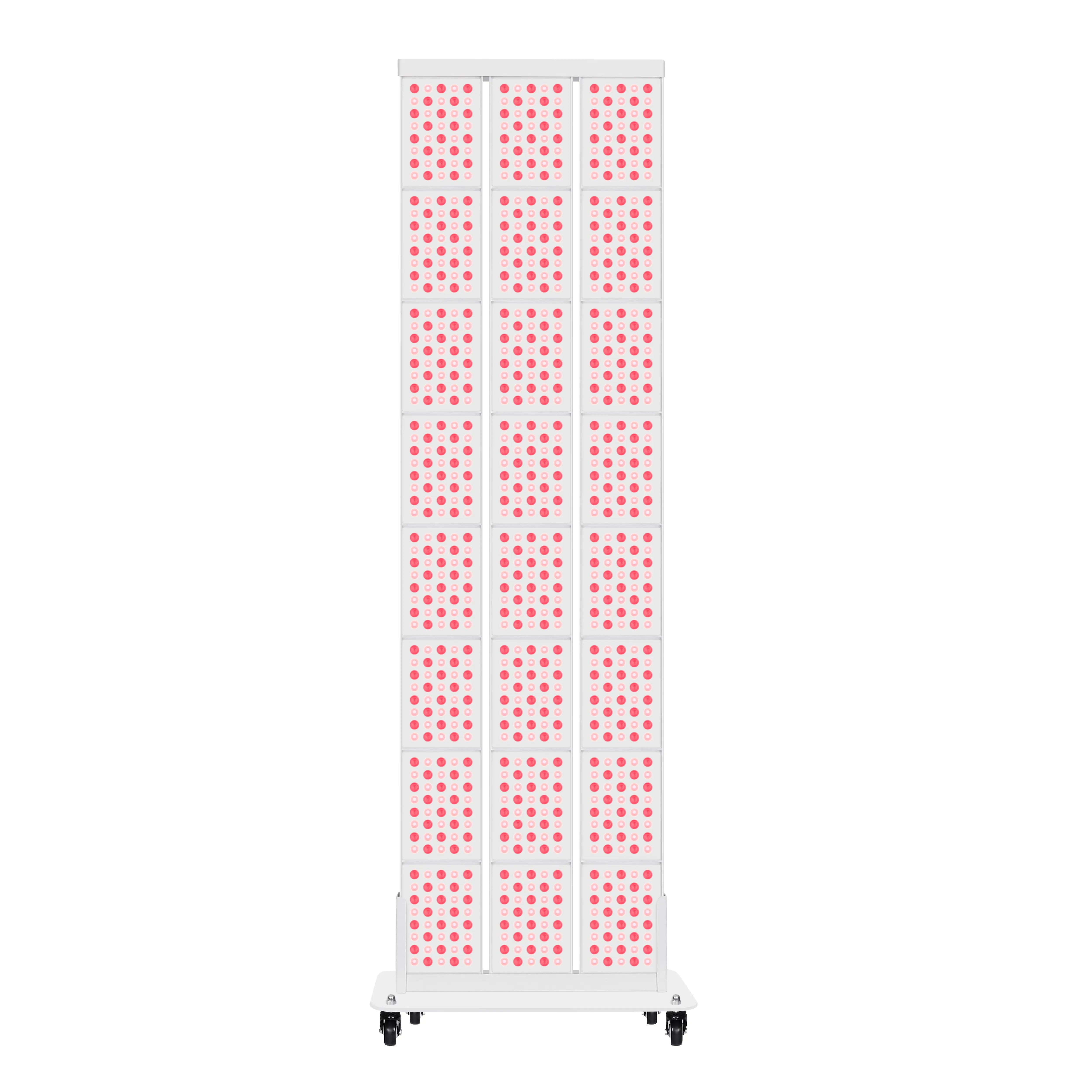
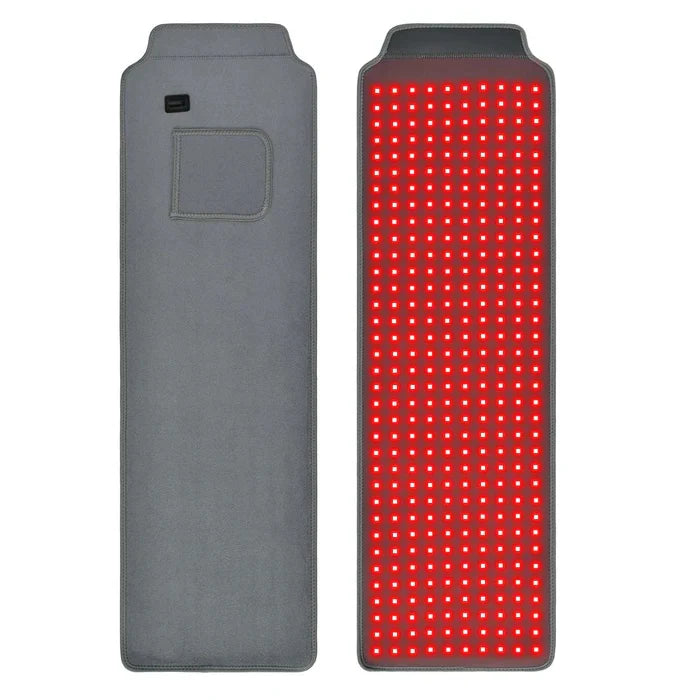
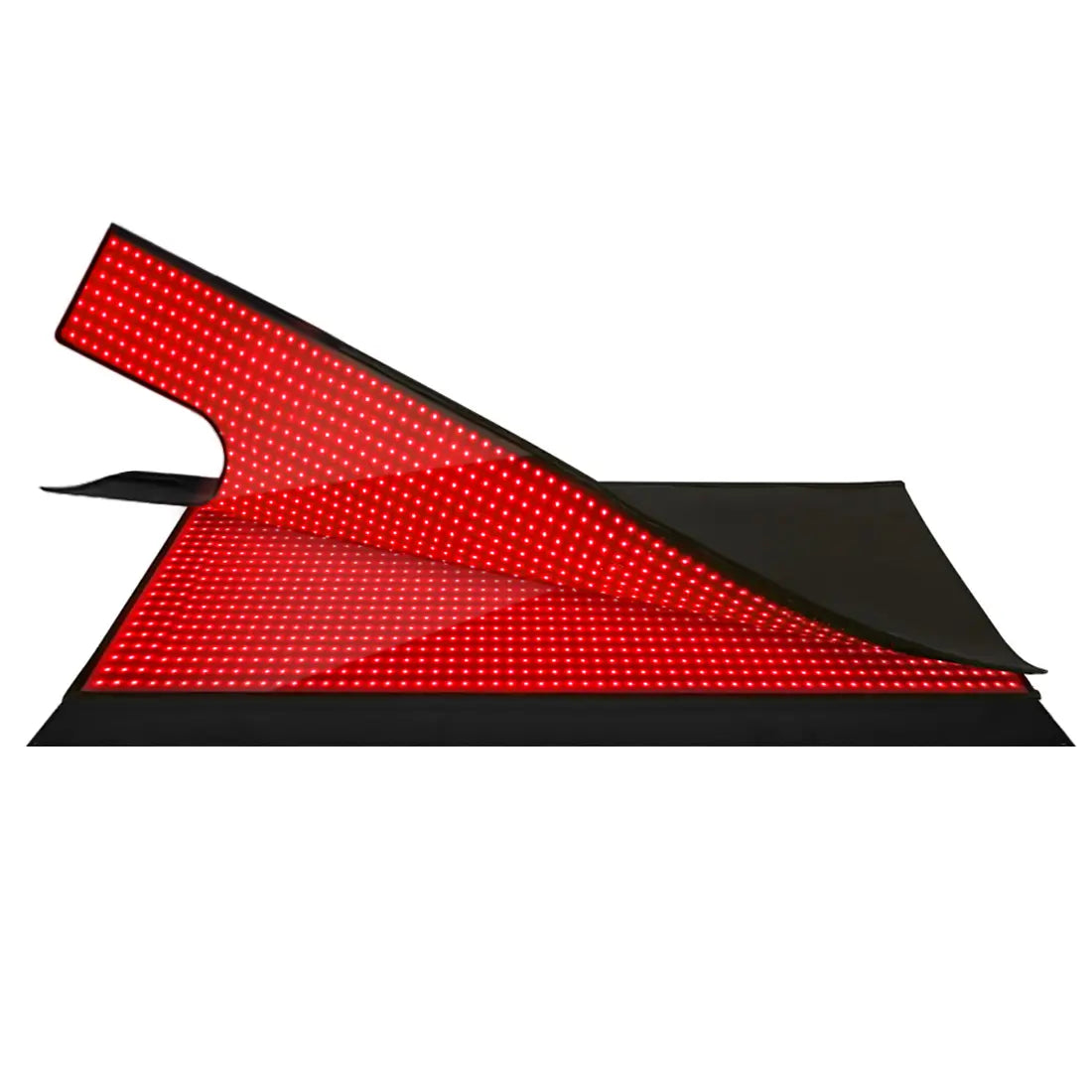
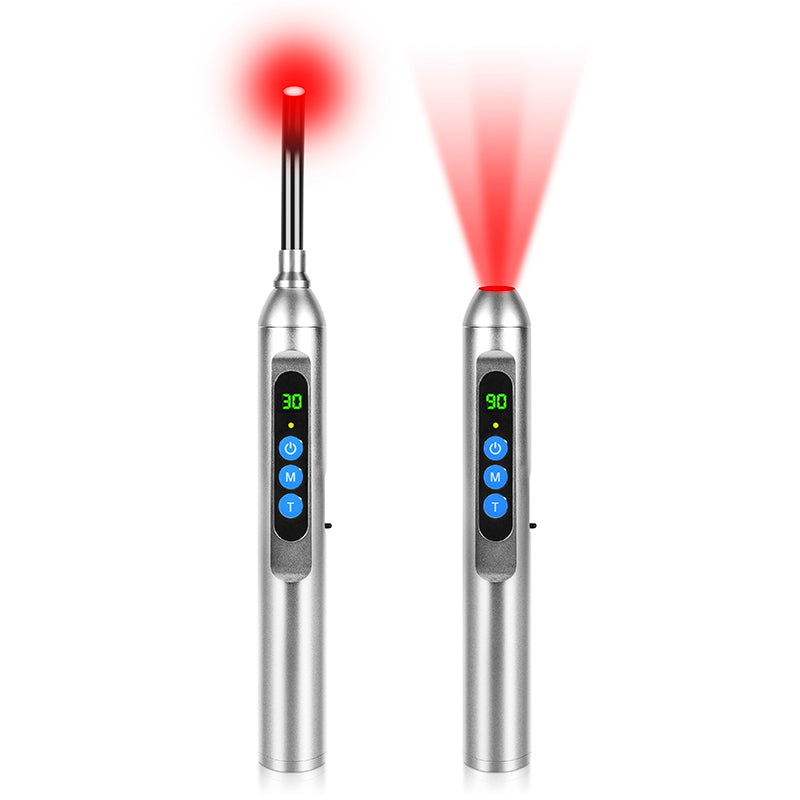
Red Light Therapy utilizes specific wavelengths, typically 660nm (red) and 850nm (near-infrared), to interact with light-sensitive chromophores. HBOT involves breathing oxygen in a pressurized chamber, increasing the oxygen dissolved in blood plasma. When paired, they address both the "engine" of the cell and the "fuel" it requires.
Mechanism 1: How Red Light Therapy Prepares the Cellular Engine
The primary target of Red Light Therapy is the enzyme cytochrome c oxidase (CcO). In stressed cells, nitric oxide (NO) can bind to CcO, inhibiting oxygen utilization and slowing ATP production.
When red and near-infrared photons are absorbed by CcO, they facilitate the dissociation of nitric oxide [1]. This "photoliberation" of NO is a critical step: it frees the enzyme to receive oxygen and acts as a vasodilator to improve local blood flow. For clinical efficacy, equipment must meet rigorous irradiance standards. For technical requirements, see our guide on understanding photobiomodulation safety standards, which details the benchmarks necessary for effective energy delivery.

Mechanism 2: How HBOT Fuels the Engine
While RLT removes the "brake," HBOT provides the "fuel." In a hyperbaric chamber (typically 1.3 to 2.0 ATA), oxygen becomes physically dissolved into the blood plasma (Henry’s Law). This allows oxygen to reach tissues with compromised blood flow where red blood cells may not easily penetrate [2].
Once RLT has cleared nitric oxide from the CcO, the enzyme is better prepared to utilize this surplus oxygen. By flooding the system with oxygen immediately following RLT, the rate of cellular repair may be enhanced compared to using either therapy in isolation.
Evidence Note: This "Mitochondrial Efficiency Hypothesis" is supported by mechanistic studies in photobiology and hyperbaric medicine, though large-scale human RCTs specifically for the combined protocol are still emerging.
The Synergistic Effect: Signaling and Repair
The Recovery Duo may modulate signaling pathways, specifically Hypoxia-Inducible Factor 1-alpha (HIF-1α). HBOT creates a "hyperoxic-hypoxic paradox," tricking the body into stimulating stem cell release and growth factors [2]. RLT supports this by reducing oxidative stress and providing the ATP needed for these new cells to differentiate. This dual-action approach is frequently applied in post-surgical recovery and traumatic brain injury (TBI) protocols [3, 5].
Protocol Design: Sequencing and Timing
As of 2026, the prevailing consensus for general recovery favors a "Priming" model.
1. The Priming Protocol (RLT then HBOT)
The user undergoes RLT (10–20 minutes) immediately before HBOT.
- Rationale: RLT dissociates NO and dilates vessels, allowing the subsequent HBOT session to maximize oxygen binding to CcO from the start.
- Evidence Level: Moderate (based on physiological mechanisms and clinical observation).
2. The Post-Saturation Protocol (HBOT then RLT)
RLT is performed after the hyperbaric session.
- Rationale: Tissues are already oxygen-saturated; RLT triggers the utilization of that oxygen while managing potential oxidative stress.
- Evidence Level: Low (primarily practitioner-led reports).
| Feature | Red Light Therapy (RLT) | Hyperbaric Oxygen (HBOT) | The Recovery Duo (Stacked) |
|---|---|---|---|
| Primary Target | Mitochondria (CcO) | Blood Plasma Oxygen | Mitochondrial-Oxygen Synergy |
| Main Benefit | ATP & Local Flow | Systemic Oxygenation | Accelerated Tissue Repair |
| Mechanism | Photobiomodulation | Henry's Law (Pressure) | Combined Metabolic Optimization |
| Typical Duration | 10–20 Minutes | 60–90 Minutes | 70–110 Minutes Total |
Clinical Screening and Safety Precautions
The combination of increased pressure and metabolic stimulation requires a cautious approach. You must consult a physician before attempting this protocol.
Absolute & Relative Contraindications
- Pulmonary: Untreated pneumothorax (Absolute), COPD, or active asthma.
- Ear/Sinus: Acute upper respiratory infections, recent ear surgery, or inability to equalize pressure.
- Pregnancy: Generally contraindicated for HBOT unless in emergency life-saving scenarios.
- Medications: Certain chemotherapy drugs (e.g., Doxorubicin, Cisplatin) or photosensitizing medications.
Emergency Indicators: When to Stop
Immediately terminate the session and seek medical attention if you experience:
- Sudden chest pain or shortness of breath.
- Severe ear pain or sudden hearing loss.
- Seizures or visual disturbances (potential oxygen toxicity).
- Severe dizziness or confusion.
Case Application: Recovery Observations
In elite athletic recovery, such as treating a Grade 2 hamstring strain, practitioners often stack these modalities. While individual results vary, some qualitative reports and small-scale observational studies suggest that this combined approach may reduce recovery time by an estimated 20–30% compared to standard rest protocols [5].
Note: These percentages are heuristic estimates based on practitioner observations and have not been validated by large-scale, double-blind clinical trials. They should be viewed as potential outcomes rather than guaranteed results.
Checklist: Preparing for a Stacked Session
- [ ] Medical Clearance: Confirm no contraindications with a healthcare provider.
- [ ] Hydration: Support blood volume and metabolic waste removal.
- [ ] Skin Preparation: Ensure skin is clean and free of light-blocking lotions.
- [ ] Safety Attire: Wear 100% cotton in the HBOT chamber to prevent static sparks.
- [ ] Ear Clearing: Practice the Valsalva maneuver before the chamber is pressurized.
- [ ] Post-Session Monitoring: Allow 20 minutes for the body to stabilize post-treatment.
FAQ
Can I use Red Light Therapy inside a hyperbaric chamber? This is generally not recommended for home users. Electronics in high-oxygen, pressurized environments pose a significant fire risk. Only use equipment specifically certified and pressure-rated for hyperbaric use.
How often should I use the Recovery Duo? For general wellness, 2–3 times per week is common. For acute injury, daily sessions may be used for 10–14 days under medical supervision. Avoid over-treatment to prevent diminished returns (Arndt-Schulz Law).
Are there side effects? Common effects include temporary fatigue or "ear popping." Rare but serious risks include oxygen toxicity or barotrauma if pressure is not managed correctly.
What wavelengths are best? A combination of 660nm (superficial) and 850nm (deep tissue) is standard for mitochondrial support [1].
References
- Hamblin, M. R. (2023). "Mechanisms and Mitochondrial Redox Signaling in Photobiomodulation." Photobiomodulation, Photomedicine, and Laser Surgery. [Evidence Level: Systematic Review/Mechanistic Study]
- Thom, S. R. (2024). "Hyperbaric Oxygen: Its Mechanisms and Efficacy." Plastic and Reconstructive Surgery. [Evidence Level: Clinical Review]
- UHMS (Undersea and Hyperbaric Medical Society). "Indications for Hyperbaric Oxygen Therapy." uhms.org [Evidence Level: Clinical Standard]
- FDA (U.S. Food and Drug Administration). "Hyperbaric Oxygen Therapy: Get the Facts." fda.gov [Evidence Level: Regulatory Guidance]
- Practitioner Observational Data (2025). Internal reports on combined modality recovery timelines in professional sports settings. [Evidence Level: Case Series/Expert Opinion]
- WALT (World Association for photobiomodulation Therapy). "Dosage Guidelines." waltza.co.za [Evidence Level: Professional Standard]
- Youlumi. "Photobiomodulation Standards: Irradiance, EMF, and Safety." youlumistore.com [Commercial Disclosure]