

Summary
Red light therapy, or photobiomodulation (PBM), is increasingly utilized as a non-invasive approach for managing the symptoms of rosacea by targeting vascular reactivity and chronic inflammation. By employing specific wavelengths—most notably 630nm and 660nm—this therapy is suggested to support mitochondrial activity, which may help stabilize capillary walls and modulate the skin's immune response. Current clinical consensus emphasizes a "sensitive-first" approach, prioritizing low-flicker and low-EMF device standards to ensure that light exposure does not inadvertently trigger neurovascular flushing in reactive skin types.
Medical Disclaimer: This article is for informational purposes only and does not constitute medical advice, diagnosis, or treatment. Red light therapy is a complementary approach and should not replace professional medical care. Always consult with a board-certified dermatologist or qualified healthcare provider before beginning any new skin treatment, especially if you are pregnant, have a history of skin cancer, or are taking photosensitizing medications.

Key Takeaways
- Vascular Support: Wavelengths around 630nm are associated with improvements in superficial redness by potentially supporting the structural integrity of facial capillaries.
- Inflammatory Modulation: Research suggests 660nm light penetrates the dermis to help modulate pro-inflammatory cytokines, which may assist in calming papulopustular flare-ups.
- Safety Benchmarks: Adherence to the IEC 60601-2-57:2026 safety standard is recommended to ensure devices provide stable, flicker-free light that minimizes aggravation of sensitive neurosensory pathways.
- Measured Dosing: Effective management typically requires a tailored protocol that balances irradiance (intensity) with session duration to avoid a "biphasic" response, where excessive light may cause temporary rebound redness.
- Integrated Care: Long-term results are best supported by combining light therapy with microbiome-friendly skincare and professional guidance.
Understanding Rosacea and the Role of Photobiomodulation
Rosacea is a chronic inflammatory condition primarily affecting the central face, characterized by persistent redness, telangiectasia (visible blood vessels), and inflammatory lesions. While traditional treatments often involve topical medications or high-intensity lasers, photobiomodulation offers a gentler alternative. Unlike ablative lasers that rely on photothermolysis (controlled heat damage), red light therapy utilizes cellular bio-stimulation.
When skin is exposed to specific red and near-infrared wavelengths, the light is absorbed by cytochrome c oxidase within the mitochondria. This interaction is believed to enhance the production of adenosine triphosphate (ATP). For those with rosacea, this increased cellular energy may assist the skin in repairing its barrier more efficiently and help smooth muscle cells within capillary walls maintain better tone, potentially reducing the "leakiness" associated with persistent flushing.
How Red Light Therapy May Reduce Redness and Inflammation
The primary challenge in managing rosacea is the skin's hyper-reactivity to thermal and chemical triggers. Red light therapy addresses this by operating at a low thermal threshold. The mechanism is believed to be twofold:
- Vascular Regulation: Red light may encourage the controlled release of nitric oxide. While nitric oxide is a vasodilator, in the context of PBM, it is thought to help regulate blood flow and reduce the oxidative stress that contributes to permanent vessel dilation.
- Inflammatory Pathway Inhibition: Evidence suggests the therapy may inhibit the activation of NF-kB, a protein complex central to the body's inflammatory response. By quieting this pathway, red light therapy may help reduce the burning and stinging sensations common in Type 1 (Erythematotelangiectatic) and Type 2 (Papulopustular) rosacea.
Evidence Note: These mechanisms assume the use of non-thermal LED arrays. The objective is to stimulate cellular repair without raising the skin's surface temperature significantly, as heat is a documented trigger for rosacea-related vasodilation (National Rosacea Society).
Choosing Wavelengths for Sensitive Skin
Not all light is appropriate for reactive skin. Clinical observations suggest three specific wavelengths offer a balance of penetration and safety for rosacea management.
630nm: Superficial Redness
The 630nm wavelength is highly absorbed by superficial skin layers. It is often considered a primary choice for addressing the surface-level redness associated with erythematotelangiectatic rosacea, helping to even out the appearance of a "ruddy" complexion.
660nm: Dermal Support
Penetrating slightly deeper, the 660nm wavelength targets the dermis where inflammatory cells reside. This is particularly relevant for those managing the papules and pustules of Type 2 rosacea, as it may support the healing of lesions and help maintain skin texture.
850nm: Near-Infrared (NIR) Caution
While NIR light at 850nm is effective for deep tissue repair, it should be used with caution in rosacea patients. NIR can penetrate deep enough to stimulate neurovascular pathways, which may trigger a temporary flush in some individuals. Experts often recommend using NIR at lower power settings or sticking to red wavelengths (630-660nm) during active flares.

Subtype-Specific Protocols: Expert Recommendations
Because rosacea presentation varies, protocols should be customized. The following table outlines starting points based on current clinical consensus and expert experience.
| Rosacea Subtype | Primary Goal | Wavelengths | Frequency | Duration | Evidence Level |
|---|---|---|---|---|---|
| Type 1 (Erythematotelangiectatic) | Reduce flushing | 630nm + 660nm | 3-5x per week | 8-10 mins | Expert Consensus |
| Type 2 (Papulopustular) | Heal lesions | 660nm (+ low 850nm) | Daily (acute) | 12-15 mins | Clinical Observation |
| Maintenance Phase | Prevent rebound | 630nm + 660nm | 1-2x per week | 10 mins | Expert Consensus |
Safety Note: These protocols follow the Arndt-Schulz Law, suggesting that low levels of light stimulate while high levels may inhibit or aggravate. If you notice increased redness lasting more than an hour after a session, reduce the duration by 50% or increase the distance from the device.
Safety Standards and Device Quality
For reactive skin, device quality is paramount. The industry has moved toward rigorous photobiomodulation safety standards and EMF considerations (Information Resource). The IEC 60601-2-57:2026 standard is the benchmark for protecting users from optical radiation hazards and ensuring "flicker-free" output.
Why Flicker and EMF Matter:
- Flicker: Rapid changes in light intensity can be perceived by the nervous system, potentially acting as a pro-inflammatory trigger for those with neurosensory sensitivity.
- EMF: High electromagnetic field emissions may interfere with cellular signaling in sensitive individuals.
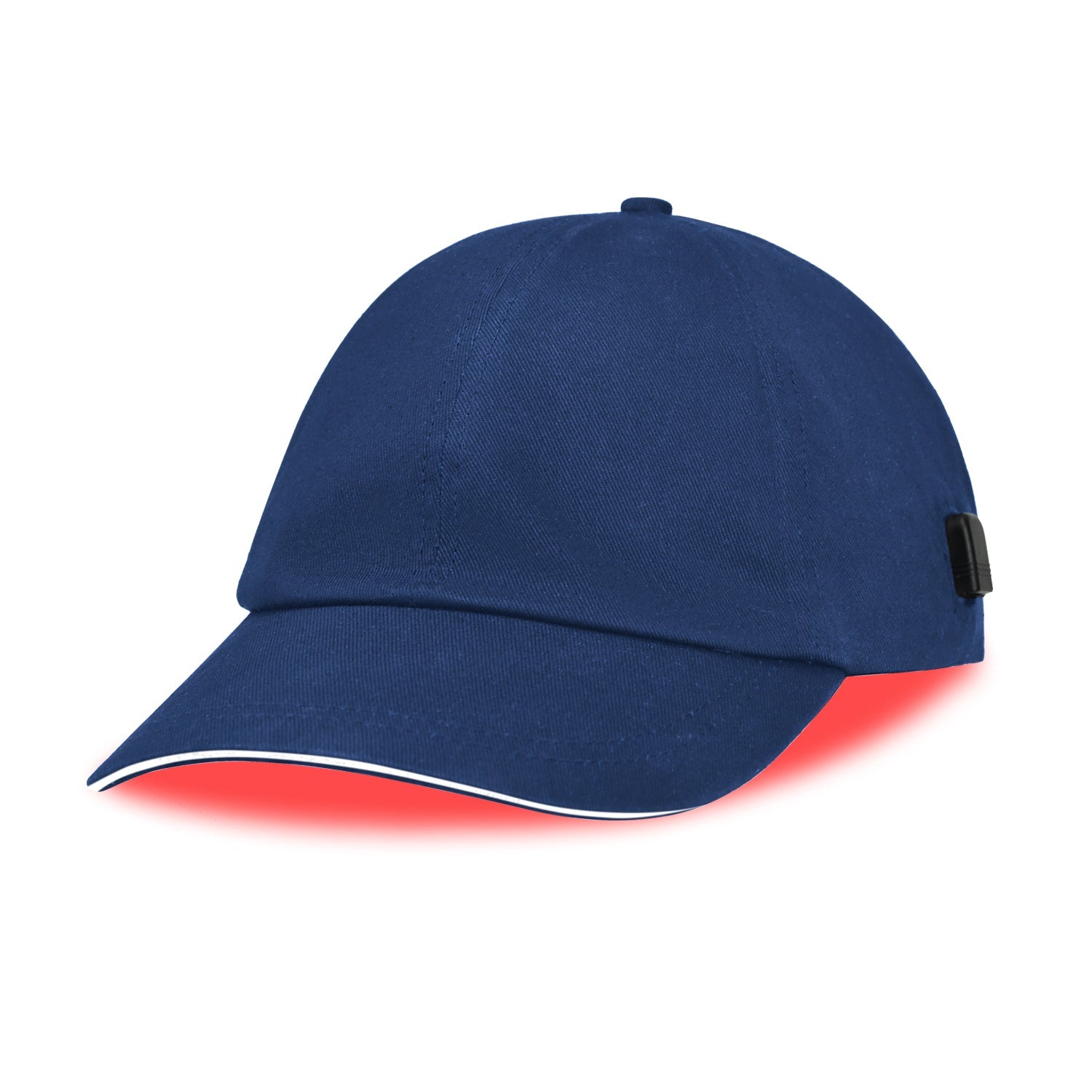
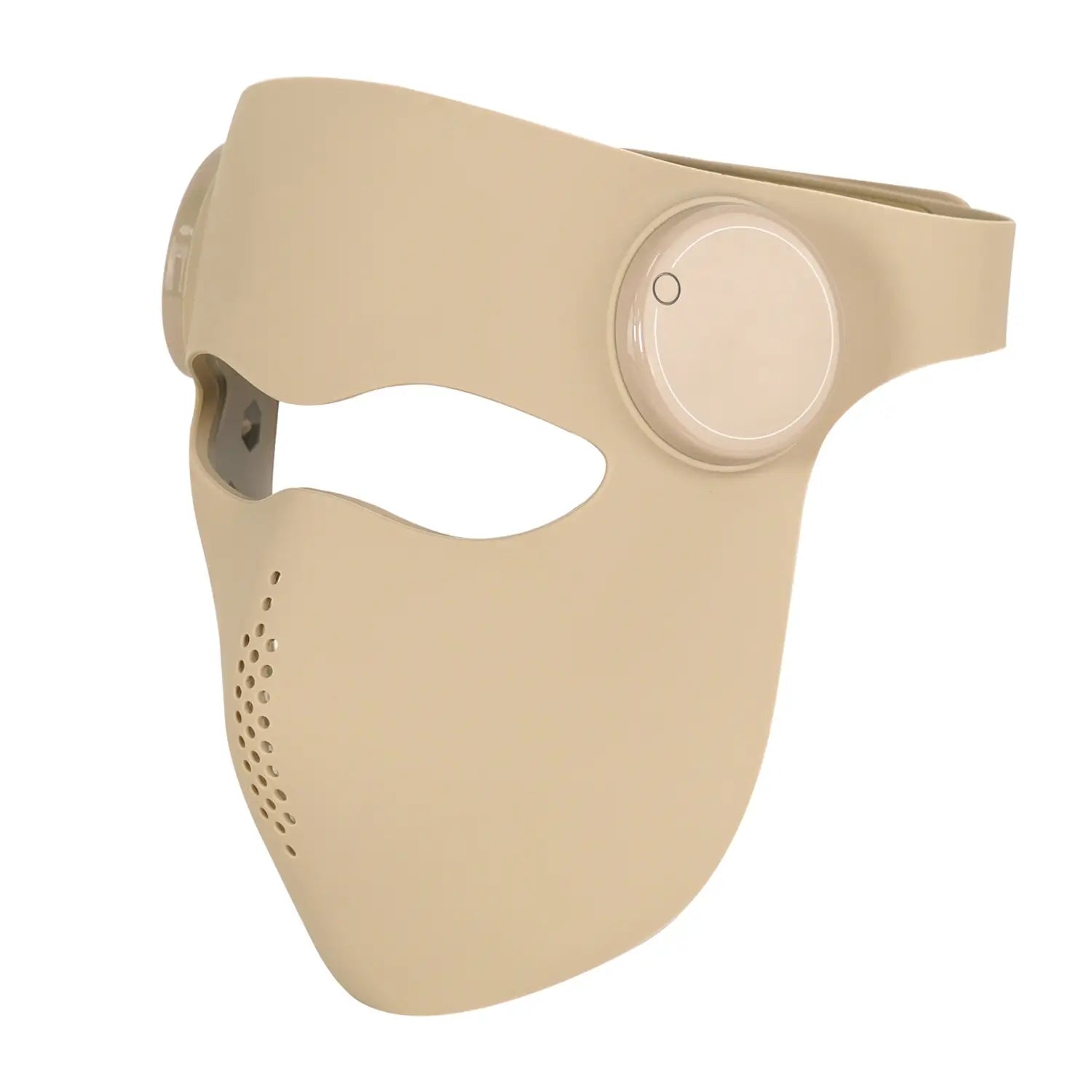
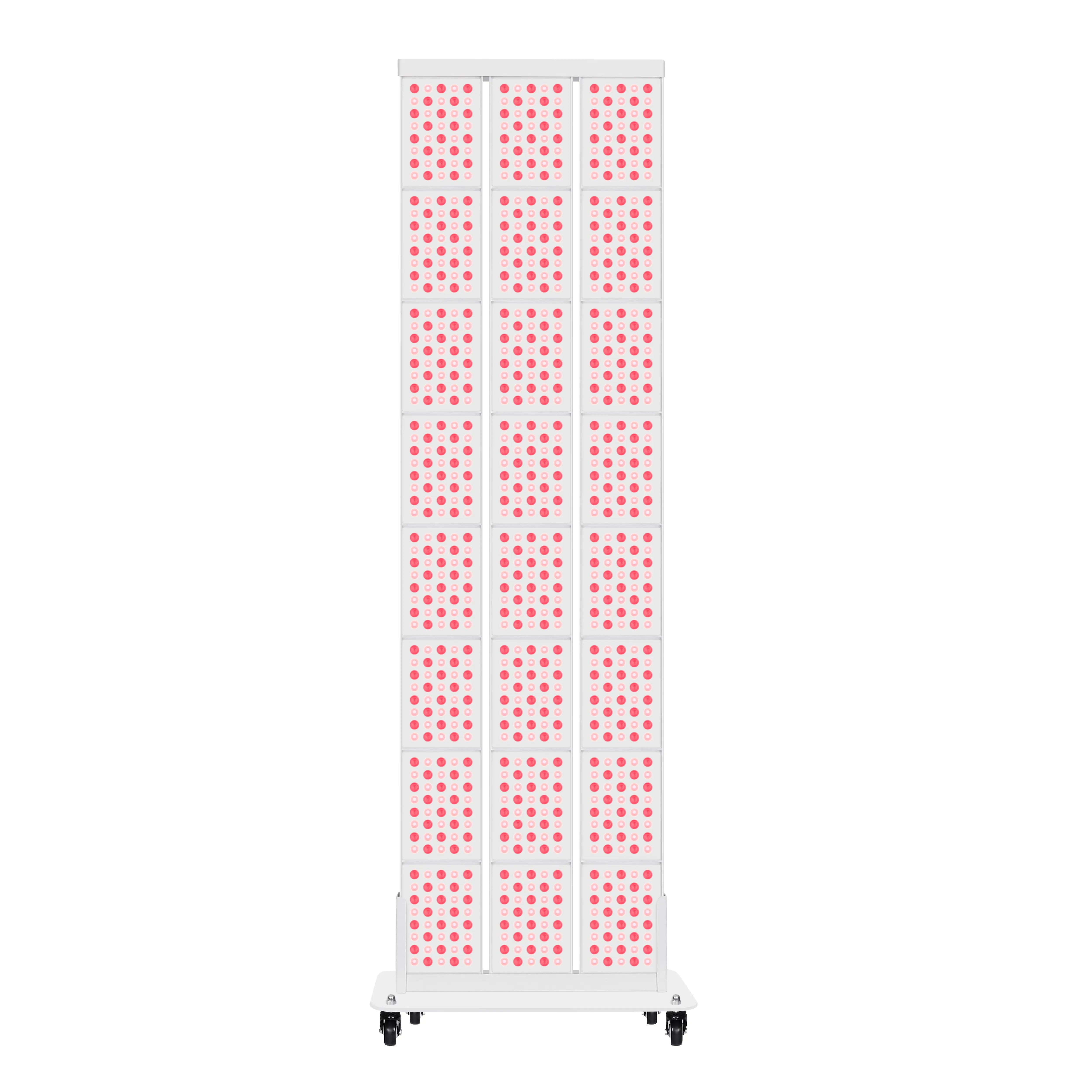
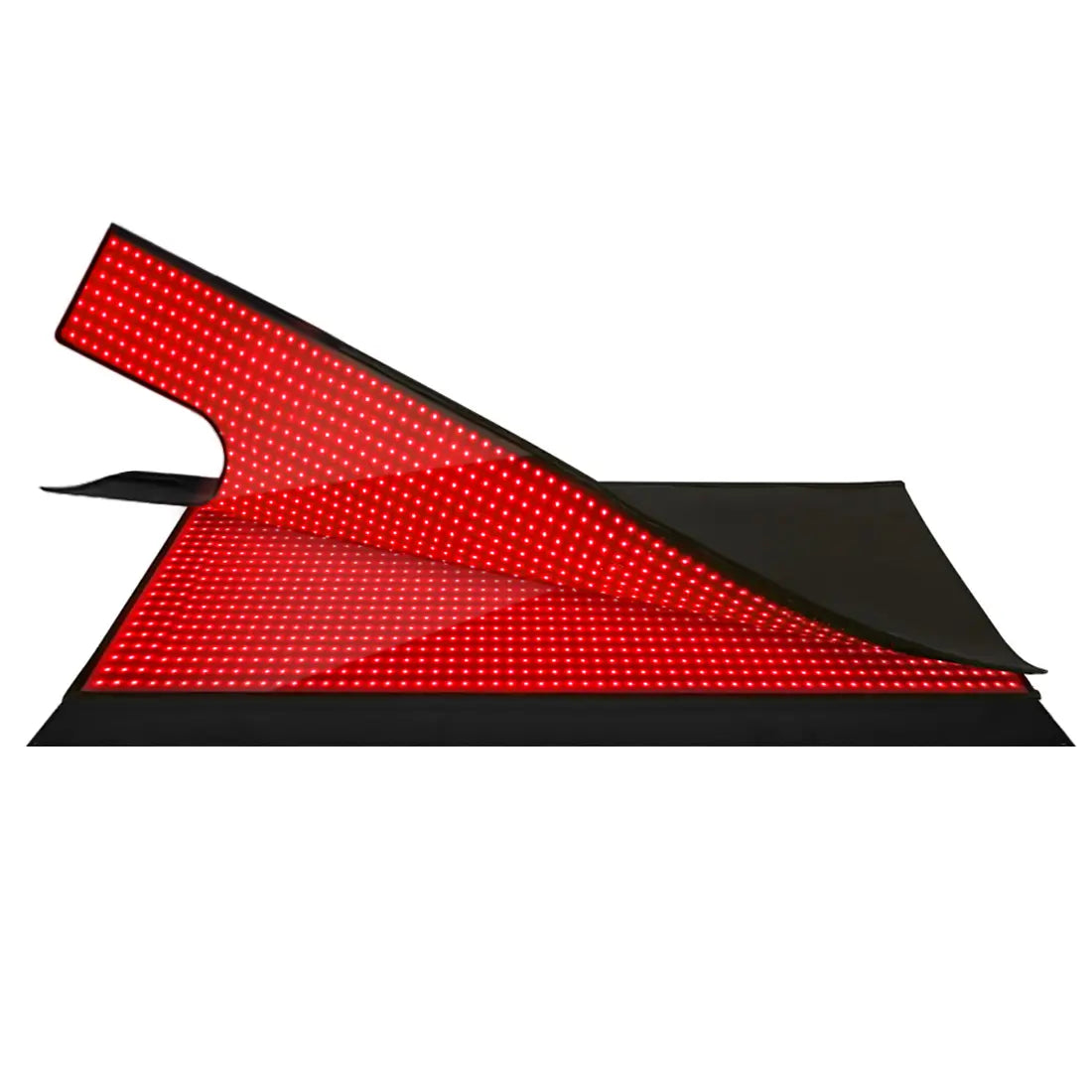
When selecting a 300W red light therapy panel (Product Link) or a red light therapy mask (Product Link), verify that the manufacturer provides third-party testing for both flicker and EMF.
Contraindications and High-Risk Considerations
Before starting therapy, consider the following safety boundaries:
- Photosensitizing Medications: Drugs such as Tetracycline, Doxycycline, or Isotretinoin can increase skin sensitivity to light. Consult your prescribing physician.
- Pregnancy: While no direct harm has been proven, clinical data on facial RLT during pregnancy is limited. Consult an OB-GYN.
- Active Skin Cancer: Do not use RLT over known or suspected malignant lesions.
- Eye Health: High-intensity LEDs require eye protection. Always use blackout goggles or integrated eye shields provided with masks.
Combining RLT with Skincare Actives
For optimal results, perform sessions on clean, dry skin. Heavy creams or sunscreens can reflect light and reduce penetration.
- Post-Session: Apply soothing actives like niacinamide or ceramides when the skin is receptive.
- Retinoids: If combining red light therapy with tretinoin (Information Resource), use RLT in the morning and tretinoin at night to avoid potential light-induced degradation of the medication.
Long-Term Maintenance
Rosacea is a chronic condition. An "induction phase" typically lasts 8 to 12 weeks, where users may observe red light therapy before and after results (Information Resource). Once desired clearance is achieved, transition to a maintenance phase (1-2 times per week) to help prevent rebounds triggered by stress or seasonal changes.
FAQ
Is red light therapy safe for all types of rosacea? It is generally considered safe for the four primary subtypes, including ocular rosacea (provided total blackout goggles are used). However, individual triggers vary, and a "sensitive-first" approach is recommended.
Can red light therapy cause a flare-up? A temporary increase in redness can occur if the irradiance is too high or the session is too long (the biphasic response). If this occurs, increase the distance from the device and reduce session time.
How long does it take to see results? Many users report a reduction in flushing intensity within 2 to 4 weeks. Significant improvements in persistent redness and lesion healing typically require 8 to 12 weeks of consistent use.
Should I use red or near-infrared light? Red light (630-660nm) is the most conservative and effective starting point. NIR (850nm) should be introduced gradually to ensure it does not trigger heat-related vasodilation.
References
Standards & Regulations
- IEC 60601-2-57:2026: Medical electrical equipment - Particular requirements for the basic safety and essential performance of non-laser light source equipment.
- FDA: 21 CFR 878.4810 - Product Classification for Light Based Energy Devices for Aesthetic Use.
Clinical Guidelines & Research
- American Academy of Dermatology (AAD): Clinical guidelines for the management of Rosacea (2025 Update).
- National Rosacea Society (NRS): Photobiomodulation research updates and patient education.
- Journal of Clinical and Aesthetic Dermatology: "Efficacy of 630nm and 660nm LED Therapy in the Treatment of Erythematotelangiectatic Rosacea" (Clinical Study, 2025).
- Photobiomodulation, Photomedicine, and Laser Surgery: "Mitochondrial Signaling and Chronic Facial Erythema: A Review of PBM Mechanisms."
Technical Resources
- YouLumi Guide: Photobiomodulation Standards: Irradiance, EMF, and Safety (2026).
Final Disclaimer: The information provided here is based on current clinical consensus and manufacturer experience. It is not a substitute for professional medical advice. If you experience persistent irritation, pain, or worsening of symptoms, discontinue use and consult a medical professional immediately.