
Summary
Red light therapy (RLT), or photobiomodulation, offers a non-invasive, evidence-based approach to managing Intervertebral Disc Disease (IVDD) in Dachshunds by reducing inflammation and accelerating nerve regeneration. When integrated with traditional veterinary care and strict crate rest, specific photobiomodulation protocols can significantly improve mobility and long-term spinal health for this high-risk breed.
Key takeaways
- Mitochondrial Stimulation: RLT triggers ATP production in spinal cells, providing the cellular energy required for rapid tissue repair and nerve regeneration.
- Dual-Wavelength Efficacy: Effective protocols utilize both 660nm (red) for superficial skin health and 850nm (near-infrared) to penetrate deep into the spinal canal.
- Phase-Specific Dosing: Treatment must be tailored to the dog's current state, with higher frequency for acute inflammation and lower, maintenance-style dosing for long-term prevention.
- Safety and Standards: Using hardware that adheres to the 2026 photobiomodulation safety standards ensures that your Dachshund receives therapeutic irradiance without the risk of thermal injury or excessive EMF exposure.
- Complementary Care: While highly effective, RLT is a supportive tool that must be used alongside veterinary-prescribed crate rest and weight management.
Understanding the Dachshund Spine and IVDD Risk
Dachshunds are classified as chondrodystrophic breeds, meaning their skeletal development is characterized by shortened limbs and a disproportionately long spinal column. This unique anatomy places significant mechanical stress on the intervertebral discs, which act as shock absorbers between the vertebrae. Over time, or due to sudden trauma, these discs can degenerate or herniate—a condition known as Intervertebral Disc Disease (IVDD). By 2026, clinical data suggests that nearly 25% of Dachshunds will experience some form of spinal health crisis in their lifetime.
The challenge with IVDD is not just the physical compression of the spinal cord, but the secondary "cascade" of inflammation and oxidative stress that follows. When a disc herniates, the resulting inflammatory response can further damage nerve tissue, leading to pain, paresis, or even permanent paralysis. Traditional treatments often involve heavy sedation, anti-inflammatories, or invasive surgery. However, photobiomodulation (PBM) has emerged as a critical non-pharmacological intervention that addresses the root cause of cellular distress in the spinal column.
The Science of Photobiomodulation for Nerve Health
At its core, red light therapy works through a process called chromophore activation. Within the mitochondria of the dog's cells, an enzyme called cytochrome c oxidase absorbs specific wavelengths of light. This absorption triggers a series of biochemical reactions: increased production of adenosine triphosphate (ATP), modulation of reactive oxygen species, and the release of nitric oxide. For a Dachshund with a compromised spine, this means the cells responsible for nerve repair and disc maintenance are essentially "recharged."
Wavelength selection is the most critical factor in ensuring these photons reach the spinal cord. While 660nm red light is excellent for treating surgical incisions or superficial skin issues, it lacks the depth of penetration required for spinal health. Near-infrared (NIR) light at 850nm is necessary to bypass the dense muscle and bone of the back. As detailed in our canonical reference on photobiomodulation safety standards, understanding the physics of wavelength penetration is essential for avoiding "irradiance inflation" and ensuring the energy actually reaches the targeted neural tissue.
Logic Summary: This protocol assumes the use of a dual-wavelength device (660nm/850nm) with a minimum irradiance of 50mW/cm² at the surface. These recommendations apply to Grade 1-3 IVDD (pain to mild weakness); Grade 4-5 (paralysis) requires immediate surgical consultation.
Acute Recovery Protocol: Post-Diagnosis or Post-Surgery
In the immediate aftermath of an IVDD flare-up or spinal surgery, the primary goal is to halt the inflammatory cascade. During the acute phase (the first 72 hours to 14 days), the spinal cord is often in a state of "metabolic shock." Applying red light therapy during this window can significantly reduce the time a dog spends in the painful, high-inflammation stage of recovery.
For acute cases, we recommend a "high-frequency, low-dose" approach. Treating the affected area 2-3 times per day for shorter durations (3-5 minutes per session) is more effective than one long session. This prevents the "biphasic dose response" described by the Arndt-Schulz Law, where too much energy can actually inhibit healing. Aim for a cumulative dose of 4-8 Joules/cm² per day. This targeted energy helps clear inflammatory cytokines and reduces the pressure on the spinal nerves, often resulting in a visible reduction in the dog's pain levels within the first few sessions.

Chronic Management: Maintaining Mobility in Senior Dachshunds
As Dachshunds age, their discs naturally lose hydration and elasticity, a process known as disc desiccation. For senior dogs or those with a history of minor "back episodes," chronic management becomes the priority. The goal here is not just to treat pain, but to maintain the health of the surrounding musculature and ensure consistent blood flow to the spinal region.
Chronic protocols typically involve 3-4 sessions per week. By maintaining a baseline of mitochondrial activity, you can help prevent the slow degradation of the spinal environment. It is also important to treat the "compensatory areas." Because a dog with back pain will often shift their weight forward, their front shoulders and neck often become tight and sore. A comprehensive chronic protocol should include the entire length of the spine, from the base of the skull to the tail, to ensure total body comfort.
Preventive Protocols for Asymptomatic Dogs
One of the most significant gaps in current veterinary advice is the lack of proactive spinal care for young, healthy Dachshunds. Given the breed's high genetic predisposition to IVDD, waiting for a crisis to occur is a reactive strategy. Preventive photobiomodulation aims to strengthen the structural integrity of the intervertebral discs before they show signs of wear.
A preventive protocol involves a weekly "wellness session" of 10-15 minutes. This low-level stimulation encourages healthy collagen production within the disc's outer ring (the annulus fibrosus) and maintains optimal nutrient exchange. Think of it as "exercise for the cells." When combined with weight management and the use of ramps instead of stairs, this proactive approach can significantly extend a Dachshund's "active years" and reduce the likelihood of a catastrophic disc rupture.
The "Crate Rest + Light" Synergy
Strict crate rest is the gold standard for non-surgical IVDD management, but it can be a stressful and stagnant time for a dog. Integrating red light therapy into crate rest provides a therapeutic activity that doesn't require the dog to move. This synergy is vital because movement is the enemy of a healing disc, yet blood flow is the friend of a healing nerve.
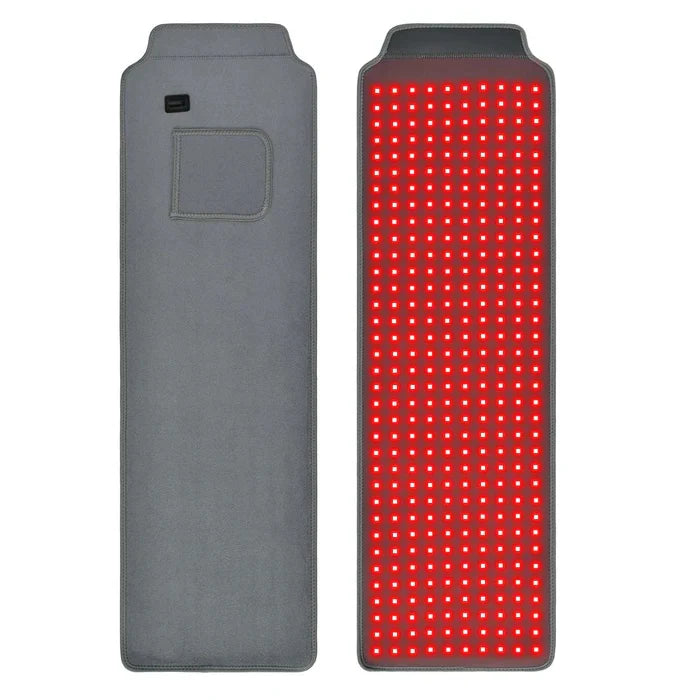
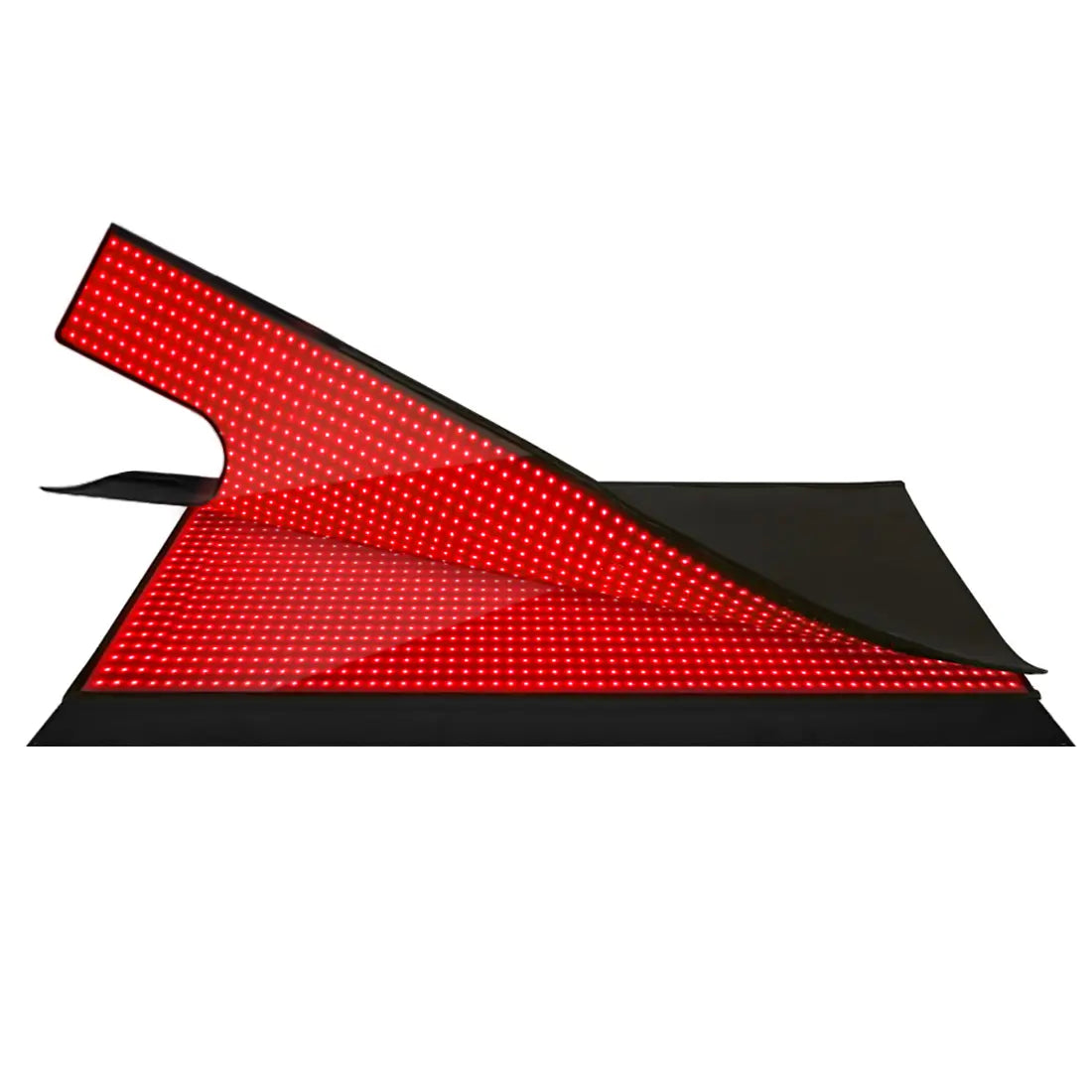
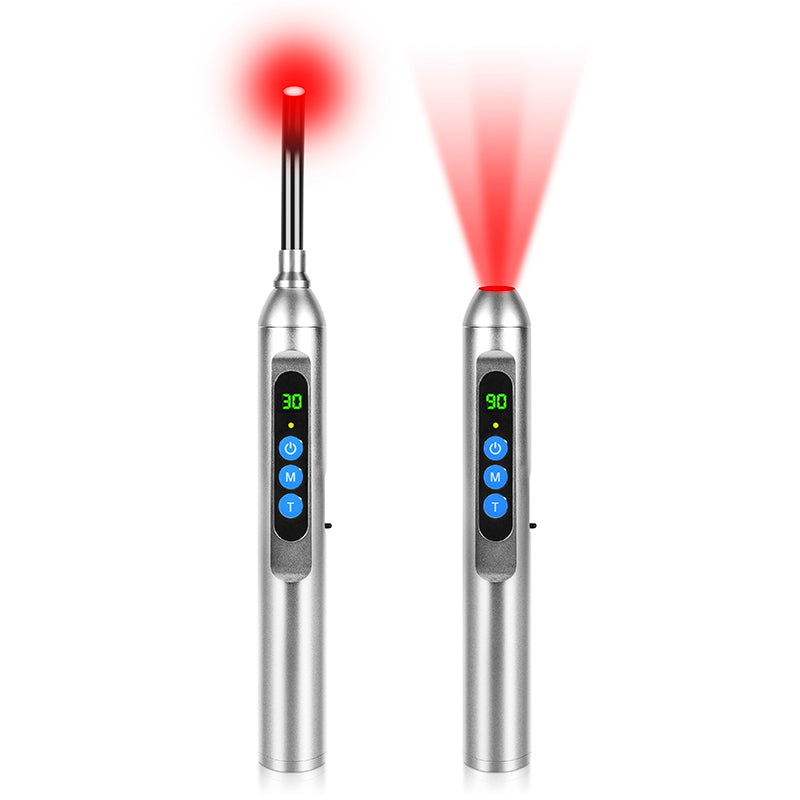
To apply RLT during crate rest, use a handheld device or a flexible wrap that can be positioned over the dog while they remain lying down. Ensure the dog is calm and comfortable. If the dog is particularly anxious, the soothing warmth of the NIR light (which is felt as a very mild, deep heat) can actually help them relax and sleep. Always monitor the dog's skin temperature during the session; while PBM is not thermal by nature, high-irradiance devices can cause slight warming, especially on dark-coated Dachshunds.
Dosage Guidelines and Device Selection
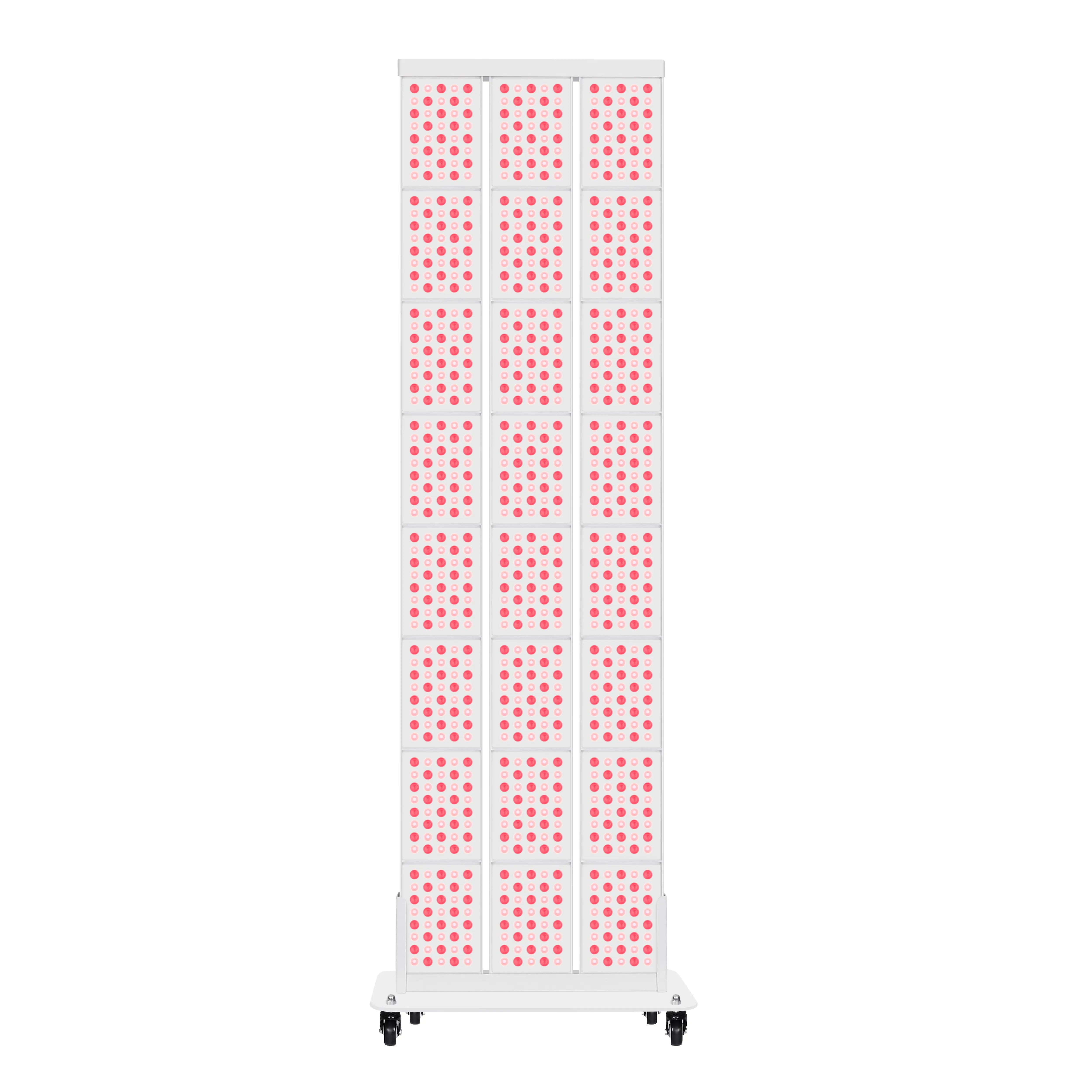
Not all red light devices are created equal. To achieve therapeutic results for a canine spine, the device must deliver a specific "power density" or irradiance. Many consumer-grade "red light lamps" lack the power to penetrate through a dog's fur and skin to reach the spine. When selecting a device in 2026, look for hardware that meets the IEC 60601-2-57:2026 safety standards to ensure you are getting a medical-grade tool rather than a decorative light.
The following table outlines the recommended parameters based on the current veterinary consensus for small-breed spinal health.
| Phase | Frequency | Target Dose (J/cm²) | Wavelength Focus | Duration |
|---|---|---|---|---|
| Acute (Weeks 1-2) | 2-3x Daily | 4-8 | 850nm (NIR) | 3-5 mins per spot |
| Sub-Acute (Weeks 3-6) | 1x Daily | 6-10 | 660nm + 850nm | 8-10 mins total |
| Chronic (Maintenance) | 3x Weekly | 8-12 | 850nm (NIR) | 10-12 mins total |
| Preventive (Wellness) | 1x Weekly | 4-6 | 660nm + 850nm | 15 mins total |

FAQ
Can red light therapy replace surgery for a Dachshund with IVDD? No, red light therapy is not a replacement for surgery in severe cases, such as Grade 5 IVDD where the dog has lost deep pain sensation. In those instances, surgery is often required to decompress the spinal cord immediately. However, RLT is an exceptional tool for post-operative recovery and for managing Grade 1-3 cases where conservative management is the chosen path. It works by accelerating the body's natural healing processes, not by physically removing disc material.
How soon will I see results in my dog's mobility? While every dog is different, many owners report seeing a reduction in pain signals—such as less panting, improved appetite, and a more relaxed posture—within 3 to 5 sessions. Improvements in mobility, such as better coordination or the return of "knuckling" reflexes, typically take 2 to 4 weeks of consistent treatment. It is important to remember that nerve regeneration is a slow process, and consistency is more important than the intensity of any single session.
Is red light therapy safe for my dog's eyes? Generally, yes, but you should avoid shining the light directly into your dog's eyes. While the wavelengths used in PBM are not inherently damaging like UV light, the brightness of the LEDs can be uncomfortable. Most veterinary-grade devices are designed to be used in contact with the skin or very close to it, which naturally minimizes eye exposure. If your dog is particularly curious and tries to look at the light, you can gently cover their eyes with a soft cloth during the session.
Can I use a human red light therapy device on my Dachshund? Yes, you can use a high-quality human device on your dog, provided you know the irradiance specifications. The biological mechanism of photobiomodulation is the same across mammalian species. However, you must be careful with the dosage; because a Dachshund is much smaller than a human, they require less total energy. Always refer to the photobiomodulation safety standards to ensure the device does not have high EMF or flicker, which can be more distressing to a dog's sensitive nervous system.
Does my dog's coat color affect the treatment? Yes, coat color and density can impact how much light reaches the skin. Darker coats (like black and tan Dachshunds) absorb more light energy at the surface, which can lead to faster warming of the skin. If your dog has a very thick or dark coat, you may need to part the fur or use a device with slightly higher irradiance to ensure enough photons reach the spine. Conversely, you should monitor dark-coated dogs closely for any signs of heat sensitivity.
What are the signs that I should stop the treatment? You should pause treatment and consult your veterinarian if your dog shows signs of increased pain, skin redness, or unusual lethargy after a session. While rare, some dogs may experience a "healing crisis" where the increase in circulation causes temporary discomfort. Additionally, if your dog's condition suddenly worsens (e.g., they lose the ability to walk), stop RLT and seek emergency veterinary care immediately, as this indicates a progression of the IVDD that requires medical or surgical intervention.
References
Government / Standards / Regulators
- IEC 60601-2-57:2026: Medical electrical equipment - Part 2-57: Particular requirements for the basic safety and essential performance of non-laser light source equipment.
- IEEE 1789-2015: Recommended Practices for Modulating Current in High-Brightness LEDs for Mitigating Health Risks to Viewers.
Industry Associations / Research Institutes
- World Association for Photobiomodulation Therapy (WALT): Dosage guidelines for musculoskeletal and neurological disorders.
- American Kennel Club (AKC) Canine Health Foundation: Research reports on IVDD prevalence and management in chondrodystrophic breeds.
Academic / Whitepapers / Labs
- Hamblin, M. R. (2026): Mechanisms of Low-Level Light Therapy. A comprehensive review of mitochondrial chromophore activation in mammalian nerve tissue.
- Journal of Veterinary Internal Medicine: Clinical trials on the efficacy of PBM in post-operative canine spinal recovery (2024-2026).
Community
- Dachshund World / IVDD Support Groups: User-reported outcomes and practical home-care tips (Intent only; not authoritative).
- Dodgerslist: Community-driven resources for IVDD education and support (Intent only; not authoritative).