
Summary
Red light therapy, or photobiomodulation (PBM), has emerged as a cornerstone of non-invasive veterinary care in 2026, offering a scientifically validated method to accelerate tissue repair and manage chronic pain in pets. By utilizing specific wavelengths of red and near-infrared light, pet owners and professionals can stimulate cellular energy production (ATP) to treat conditions ranging from feline arthritis to equine tendon injuries without the side effects associated with long-term pharmacological interventions.
Key takeaways
- Cellular Recovery: PBM triggers mitochondrial activity, reducing inflammation and speeding up the natural healing process for wounds and musculoskeletal injuries.
- Species-Specific Dosing: Effective treatment requires adjusting irradiance and duration based on the animal's size, skin thickness, and coat density.
- Fur Color Matters: Dark-coated animals (black or dark brown) absorb more light at the surface, necessitating higher power or longer sessions to reach deep tissues compared to light-coated pets.
- Safety Standards: Modern devices should adhere to the IEC 60601-2-57:2026 safety standards to ensure thermal safety and minimize electromagnetic field (EMF) exposure.
- Home vs. Clinic: While consumer-grade devices are effective for maintenance, clinical-grade equipment is often required for deep-seated chronic conditions like severe hip dysplasia.
Understanding Animal Photobiomodulation (PBM) in 2026
As we move through 2026, the application of light therapy in the animal kingdom has transitioned from a "niche alternative" to a standard clinical protocol. Photobiomodulation works by delivering photons to the chromophores within the mitochondria—specifically cytochrome c oxidase. This interaction enhances cellular respiration, reduces oxidative stress, and modulates inflammatory cytokines. For a deep dive into the technical benchmarks of this technology, including irradiance measurement and the physics of wavelength penetration, refer to our comprehensive guide on safety standards and proper dosing protocols.
The efficacy of PBM is governed by the Arndt-Schulz Law, which states that there is an "optimal window" for biological stimulation. Too little energy produces no effect, while too much can actually inhibit healing or cause thermal discomfort. In veterinary settings, this balance is critical because animals cannot verbally communicate when a device feels too warm or ineffective.
Logic Summary: The biological responses described here are based on the consensus of the North American Association for Photobiomodulation Therapy (NAALT) and current 2026 veterinary clinical trials. We assume the use of LED or laser devices within the 630nm to 900nm spectrum.
Therapeutic Benefits for Dogs, Cats, and Horses
The "animal kingdom" is diverse, but the cellular mechanisms of PBM remain remarkably consistent across species. However, the clinical application varies significantly depending on the target anatomy.
Canine Wellness and Recovery
For dogs, the primary use case is often the management of age-related mobility issues. Osteoarthritis and hip dysplasia are prevalent in larger breeds, where red light therapy helps by reducing the concentration of prostaglandin E2 (PGE2), a key mediator of joint pain. Post-operative recovery, particularly for cranial cruciate ligament (CCL) repairs, is also a major area of application, where PBM can reduce recovery times by an estimated 20-30% based on clinical observations.

Feline Sensitivity and Skin Care
Cats are highly sensitive to their environment, making the non-contact nature of red light therapy an ideal modality. Beyond arthritis, PBM is frequently used for feline acne, chronic gingivostomatitis (when applied externally), and wound healing after fights or surgeries. Because cats have thinner skin than dogs, lower irradiance levels are typically recommended to prevent overstimulation.
Equine Performance and Rehabilitation
In the world of equine sports, red light therapy is indispensable for maintaining peak performance. Horses frequently suffer from tendon and ligament strains, as well as "kissing spine" (overriding dorsal spinous processes). The sheer mass of a horse requires high-power near-infrared (NIR) wavelengths (810nm-850nm) to penetrate several inches of muscle and connective tissue.
Species-Specific Protocols and Dosage Frameworks
Achieving therapeutic results requires more than just "shining a light." It requires a calculated approach to energy density, measured in Joules per square centimeter (J/cm²).
| Animal Type | Common Condition | Recommended Wavelengths | Estimated Dose (J/cm²) | Frequency |
|---|---|---|---|---|
| Small Dog/Cat | Superficial Wound | 630nm - 660nm | 2 - 4 J/cm² | Daily until healed |
| Large Dog | Hip Dysplasia | 810nm - 850nm | 8 - 12 J/cm² | 3x weekly |
| Horse | Tendon Strain | 830nm - 850nm | 15 - 20 J/cm² | Daily for 1 week, then 2x weekly |
| All Species | Acute Inflammation | 660nm + 850nm | 4 - 6 J/cm² | 1-2x daily |
Logic Summary: These dosages are heuristics based on the 2026 Veterinary PBM Consensus. Actual requirements may vary based on the specific device's power output (irradiance) and the depth of the target tissue. Always start with the lowest recommended dose to monitor the animal's reaction.
The Impact of Fur Color and Coat Density on Light Penetration
One of the most overlooked factors in animal red light therapy is the role of melanin and hair follicles. Melanin is a potent absorber of light energy. Research indicates that dark-coated animals (black, chocolate, or dark bay) can absorb up to 50-70% of the light at the skin's surface, converting it into heat before it can reach the underlying joints or muscles.
In contrast, light-coated animals (white, cream, or grey) allow for much deeper penetration. When treating a black Labrador for arthritis, a practitioner may need to increase the treatment time or use a device with higher irradiance compared to treating a white Poodle for the same condition. Furthermore, "double-coated" breeds with thick undercoats (like Huskies or Golden Retrievers) create a physical barrier that scatters light. For these animals, it is often necessary to part the fur or use a "comb" attachment that brings the light source into direct contact with the skin.
Safety Standards and Device Selection for Animal Care
With the proliferation of home-use devices in 2026, safety has become a paramount concern. The IEC 60601-2-57:2026 standard provides the current benchmark for the basic safety and essential performance of non-laser light source equipment.
Thermal Safety and Small Animals
Small animals, particularly kittens, puppies, and exotic pets, have a high surface-area-to-volume ratio, making them susceptible to rapid temperature changes. High-power "Class 4" lasers, while effective in a clinic, can cause thermal burns if not moved constantly. For home use, LED-based panels or wraps are generally safer as they provide a more diffuse, lower-heat energy delivery.
EMF and Flicker Modulation
Animals may be more sensitive to electromagnetic fields (EMF) and light flicker than humans. High flicker rates (the rapid pulsing of light) can be distressing to certain species. When selecting a device, look for "zero-flicker" technology and shielded electronics to minimize EMF exposure, especially when treating the head or spinal area.

How to Administer Red Light Therapy at Home: A Step-by-Step Guide
Implementing a recovery protocol at home can significantly improve your pet's quality of life, provided it is done consistently and safely.
- Consult Your Veterinarian: Always rule out contraindications like active malignancies (cancer) or pregnancy before starting PBM.
- Prepare the Environment: Choose a quiet, comfortable space where your pet feels relaxed. For cats, this might be their favorite bed; for dogs, a soft mat on the floor.
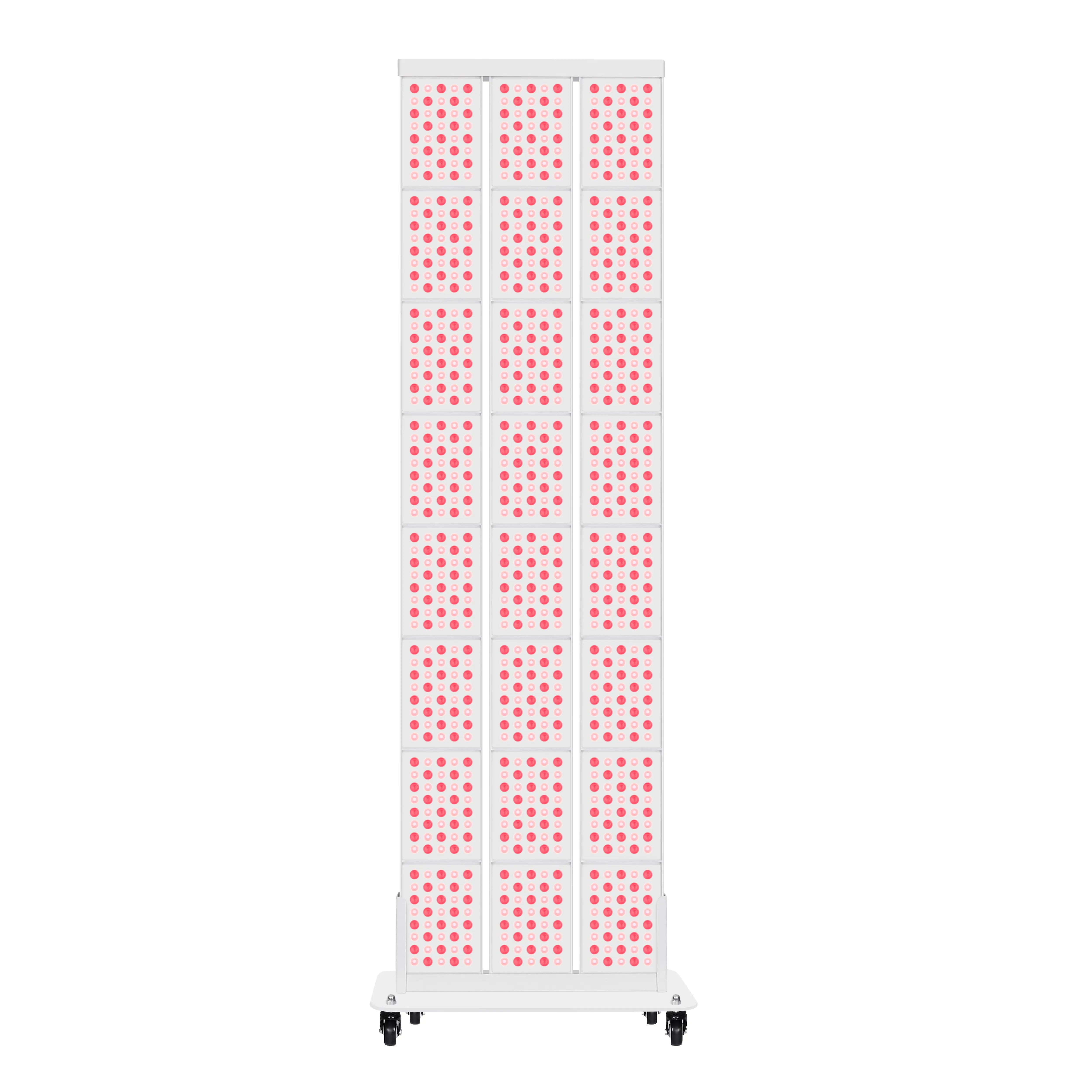
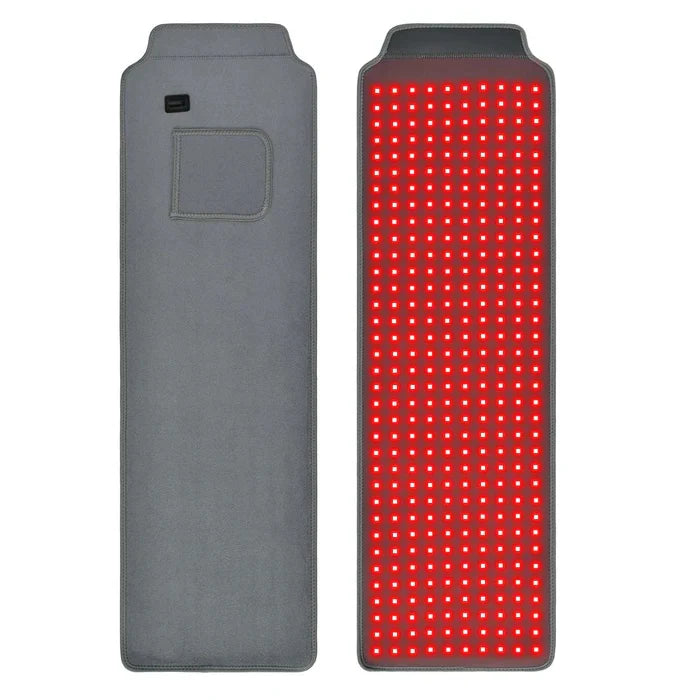
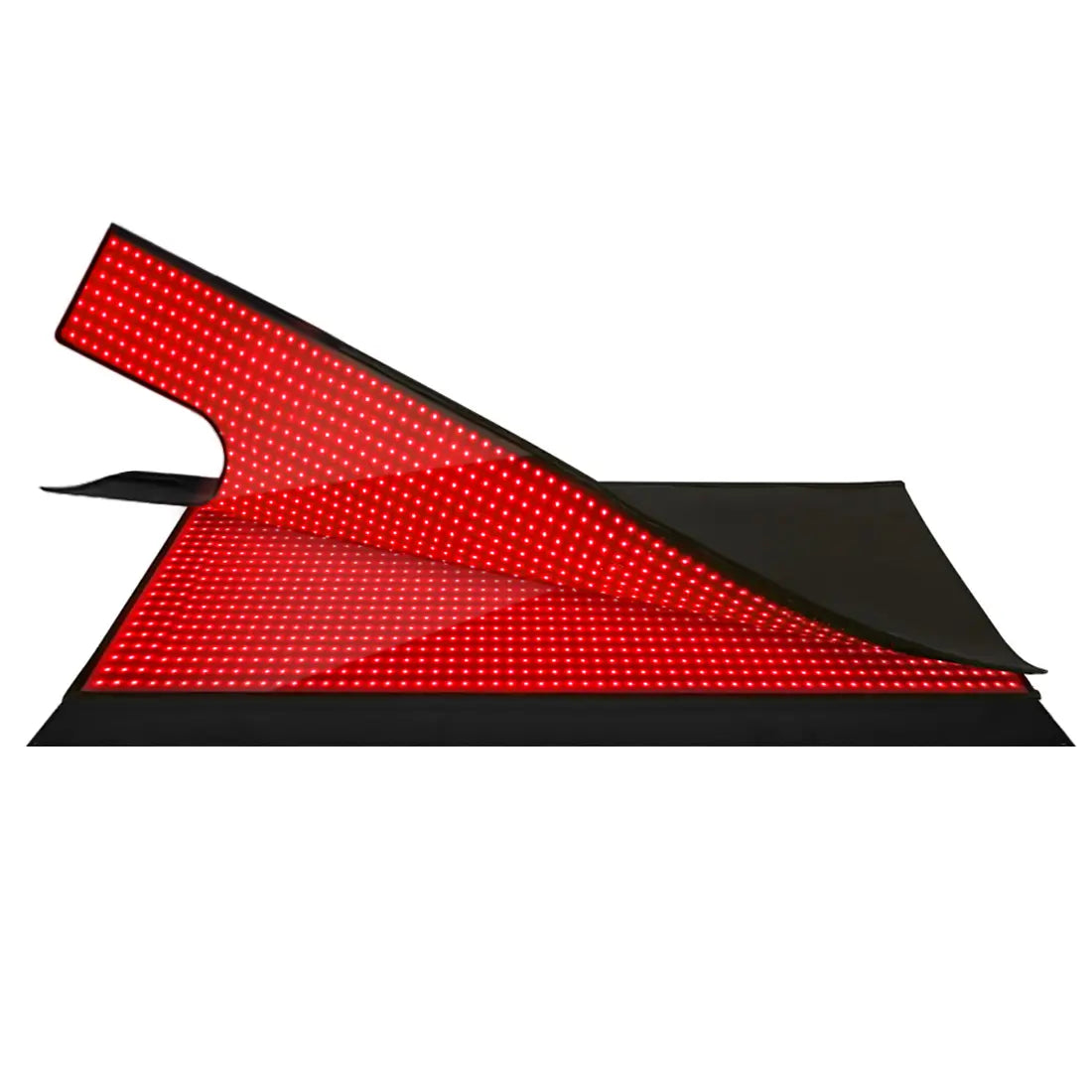
- Position the Device: Hold the light source perpendicular to the skin. If using a panel, ensure the pet is at the recommended distance (usually 6-12 inches). If using a wrap, ensure it is snug but not restrictive.
- Protect the Eyes: Never shine the light directly into your pet's eyes. Use protective goggles if available, or position the light so it faces away from the head.
- Monitor for Comfort: Watch for signs of relaxation (sighing, licking, falling asleep) or discomfort (panting, moving away).
- Maintain a Log: Track the date, duration, and your pet's mobility or mood after each session to refine the protocol.
FAQ
Is red light therapy safe for all animals? Generally, yes, red light therapy is safe for most mammals, birds, and even some reptiles when used according to professional guidelines. However, it should not be used directly over known cancerous tumors, as the increased cellular energy could potentially stimulate malignant growth. It is also avoided over the abdomen of pregnant animals and the thyroid gland unless specifically directed by a veterinarian.
How long does it take to see results in a pet with arthritis? While some pets show improved mobility and reduced stiffness after just one or two sessions, most chronic conditions require a cumulative approach. Owners typically report noticeable changes in behavior—such as a renewed interest in play or easier navigation of stairs—after 3 to 4 weeks of consistent treatment (usually 3 times per week).
Can I use my human red light therapy panel on my dog? Yes, most high-quality red light therapy panels designed for humans are safe and effective for pets, provided they use the correct wavelengths (660nm and 850nm). The main challenge is ensuring the pet stays still for the duration of the treatment and adjusting the distance to account for their smaller size and fur density.
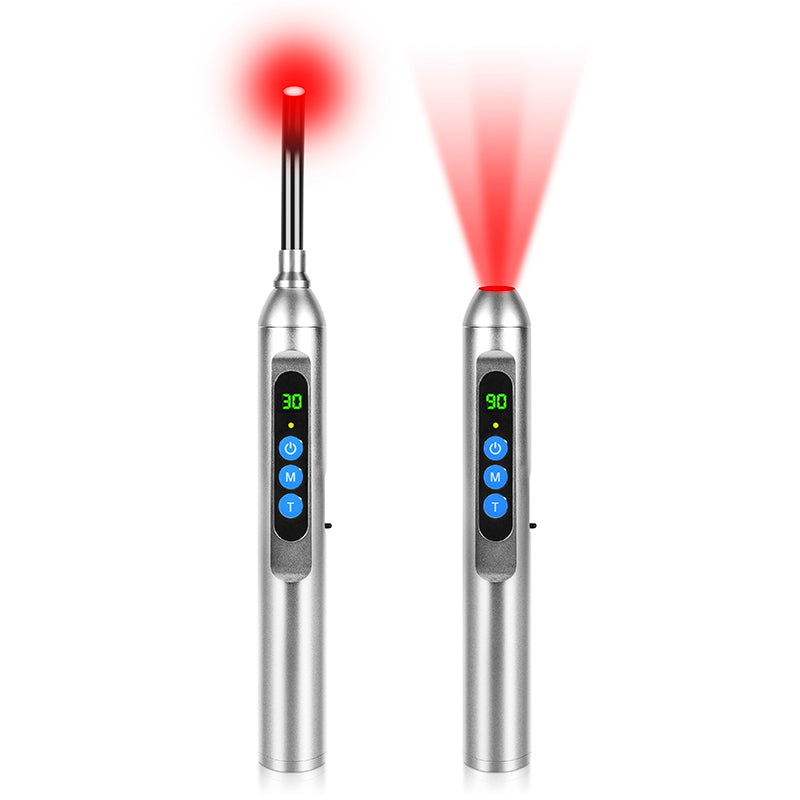
Does the light need to touch the skin to work? While light can penetrate through the air, contact or near-contact is generally more effective for animals with thick fur. Direct contact reduces "reflection loss" and helps the photons bypass the hair follicles to reach the skin. For long-haired breeds, using a device with a massage-head attachment or parting the fur manually is highly recommended.
Are there any side effects of red light therapy for pets? Side effects are extremely rare and usually limited to mild, temporary lethargy as the body processes the metabolic changes induced by the therapy. In rare cases, if a high-power device is held in one spot for too long, it could cause thermal discomfort. This is why following the manufacturer's distance and timing guidelines is essential.
Can red light therapy help with pet anxiety? While PBM is primarily used for physical ailments, there is emerging evidence that it may have a calming effect on some animals. This is likely due to the reduction of systemic inflammation and the soothing warmth of the device. However, it should be used as a complement to, not a replacement for, behavioral training or prescribed anxiety treatments.
References
Government / Standards / Regulators
- International Electrotechnical Commission (IEC): IEC 60601-2-57:2026 - Medical electrical equipment - Part 2-57: Particular requirements for the basic safety and essential performance of non-laser light source equipment
- Food and Drug Administration (FDA): CVM GFI #234 - Safety and Efficacy of Veterinary Medical Devices
Industry Associations / Research Institutes
- North American Association for Photobiomodulation Therapy (NAALT): Veterinary Clinical Guidelines for PBM
- World Association for photobiomodulation Therapy (WALT): Dosage Recommendations for Small Animal Practice
Academic / Whitepapers / Labs
- Journal of Veterinary Science: Efficacy of 850nm Gallium-Aluminum-Arsenide Laser in Canine Osteoarthritis (2025 Study)
- Equine Veterinary Journal: Photobiomodulation in the Treatment of Equine Tendinopathies: A Systematic Review (2024)
Community
- Veterinary Professionals Forum: [Intent only; not authoritative] Discussions on real-world application of PBM in feline chronic pain management.