
The Fire & Ice Stack: Why Sequence and Timing Matter
Combining red light therapy (RLT), sauna, and cold plunge into a single "Fire & Ice" routine is a popular strategy for recovery, but the order in which you perform them significantly impacts the physiological outcome. While each modality has its own benefits, stacking them requires a logic that respects your body’s thermoregulation and cellular signaling.
The key is choosing a sequence that aligns with your specific goals—whether that is hypertrophy, metabolic health, or simple relaxation—rather than forcing all three into a rigid daily box. Because evidence for the triple-stack is still emerging, these protocols should be viewed as a framework for personal experimentation.

Understanding the Three Modalities in Recovery
To build an effective stack, it is helpful to understand the primary mechanism of each tool:
- Red Light Therapy (Photobiomodulation): Uses specific wavelengths (typically 660nm and 850nm) to interact with mitochondria. According to the National Center for Complementary and Integrative Health, results are highly dependent on dose and timing.
- Sauna (Heat Stress): Promotes vasodilation (widening of blood vessels) and heat shock protein production. The Centers for Disease Control and Prevention (CDC) emphasizes that hydration is the most critical safety factor during heat exposure.
- Cold Water Immersion (Cold Stress): Triggers vasoconstriction and a catecholamine rush (norepinephrine). Research in the British Journal of Sports Medicine suggests it is highly effective for reducing perceived soreness, though it may blunt certain growth signals if used too close to strength training.
The "Waiting Window": How Long Between Modalities?
One of the most common questions is how long to wait between steps. While there is no "gold standard" interval, a common pattern observed among experienced users is the 10-minute transition rule.
- Between Sauna and Cold Plunge: A 5–10 minute "cool down" period is often recommended. Jumping directly from a 170°F sauna into a 45°F plunge can cause a significant vasovagal response (dizziness or fainting). Waiting until your heart rate begins to trend toward baseline is a safer, more controlled approach.
- Between Sauna and Red Light Therapy: If using RLT after a sauna, wait 5 minutes to towel off and ensure your skin is dry. Sweat can reflect or scatter light, potentially reducing the effective dose reaching the tissue.
- Between Cold Plunge and Red Light Therapy: If you plunge first, wait until your skin temperature has stabilized slightly (about 10–15 minutes) so that the RLT can support local circulation as the body re-warms.

Recommended Protocols Based on Your Goals
The "best" order is subjective. Use these heuristic-based sequences to match your training focus:
1. The "Metabolic & Circadian" Sequence (Sauna → Cold → RLT)
This is a favorite for general wellness. The sauna provides deep relaxation, the cold plunge provides a metabolic "kick," and the RLT is used at the end to support skin health and cellular recovery.
- Best for: Non-training days or evening wind-down.
- Note: If done late at night, keep the cold plunge brief to avoid the norepinephrine spike interfering with sleep.
2. The "Performance & Adaptation" Sequence (RLT → Sauna → Delayed Cold)
For those focused on muscle growth (hypertrophy), the International Olympic Committee consensus suggests caution with immediate cold exposure.
- Protocol: Use RLT and sauna shortly after training to maintain blood flow. Delay the cold plunge by at least 4–6 hours (or save it for the next morning) to allow the body's natural inflammatory "growth signals" to complete their work.
3. The "Maximum Recovery" Sequence (Sauna → RLT → Cold)
This sequence prioritizes blood flow first (sauna), then applies light therapy while the skin is warm and blood is near the surface, finishing with a cold plunge to "lock in" the anti-inflammatory effect.
Fire & Ice Recovery Stack: Suggested Order by Primary Goal
Modeled sequence fit by goal; higher values indicate a better match to the stated objective.
View chart data
| Category | Sauna / RLT first | Cold first | Strength first | Repeatable order fit |
|---|---|---|---|---|
| Recovery emphasis | 5.0 | 1.0 | 2.0 | 4.0 |
| Adaptation emphasis | 1.0 | 2.0 | 5.0 | 2.0 |
| Convenience emphasis | 2.0 | 1.0 | 4.0 | 4.0 |
| Mixed goal | 3.0 | 1.0 | 3.0 | 5.0 |
Illustrative heuristic model based on the provided scenario matrix and threshold notes from viewpoint-insighter. This chart is a decision aid only: it ranks sequence fit for common goals, not medical efficacy, and does not claim measured outcomes.
The chart above illustrates heuristic scores (1–5) for how well different sequences align with common goals. These are estimates based on physiological principles, not clinical data.
Common Failure Modes and How to Fix Them
Even with the right equipment, small errors can diminish the effectiveness of the stack.
- Failure 1: The "Wet Skin" Mistake. Using red light therapy while still dripping wet from a sauna or plunge. The Fix: Always towel dry. Water on the skin surface can refract light, making the RLT session less efficient.
- Failure 2: Over-Stacking on Strength Days. Using a long cold plunge immediately after a heavy lifting session. The Fix: If your goal is "gains," keep the cold exposure to a quick 1-2 minute dip or move it to the following morning.
- Failure 3: Ignoring the "Sauna Hangover." Combining heat and cold without doubling your electrolyte intake. The Fix: Drink 16oz of water with electrolytes before the sauna and another 16oz during the transition window.
Practical Home Protocol: A Step-by-Step Guide
If you are setting this up at home, follow this repeatable 45-minute framework:
- Sauna (15–20 mins): Focus on nasal breathing. Exit immediately if you feel lightheaded.
- Transition (10 mins): Step out, towel dry, and drink water. Let your heart rate settle.
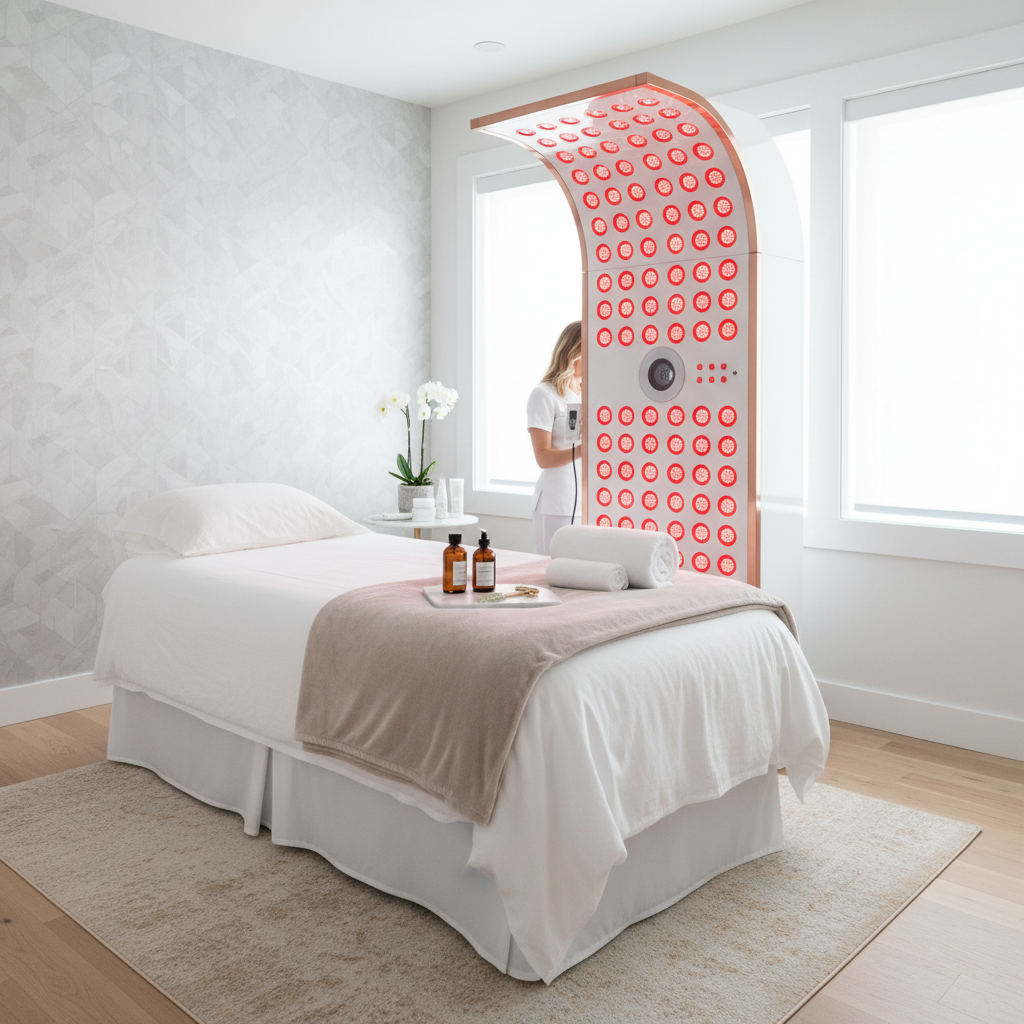
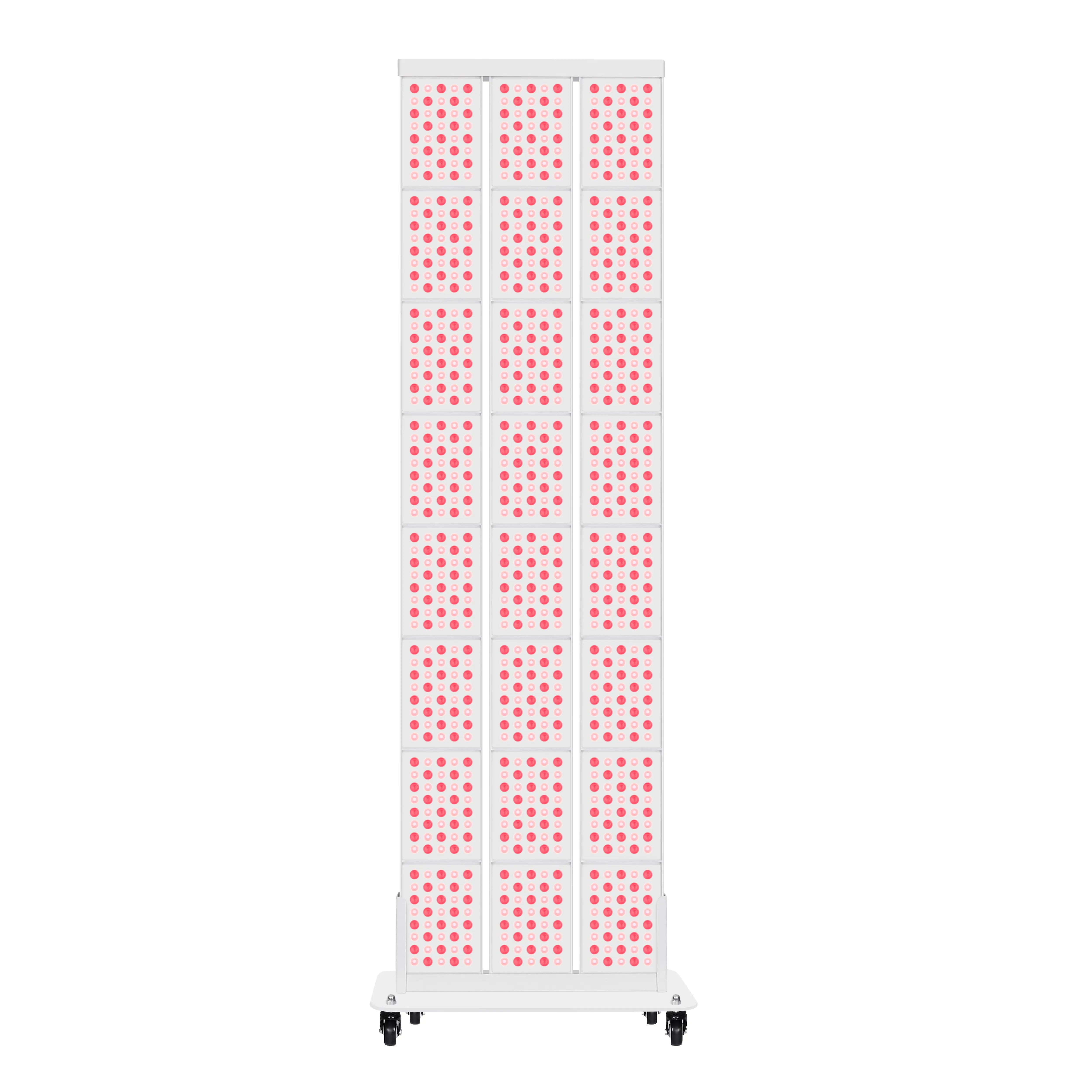
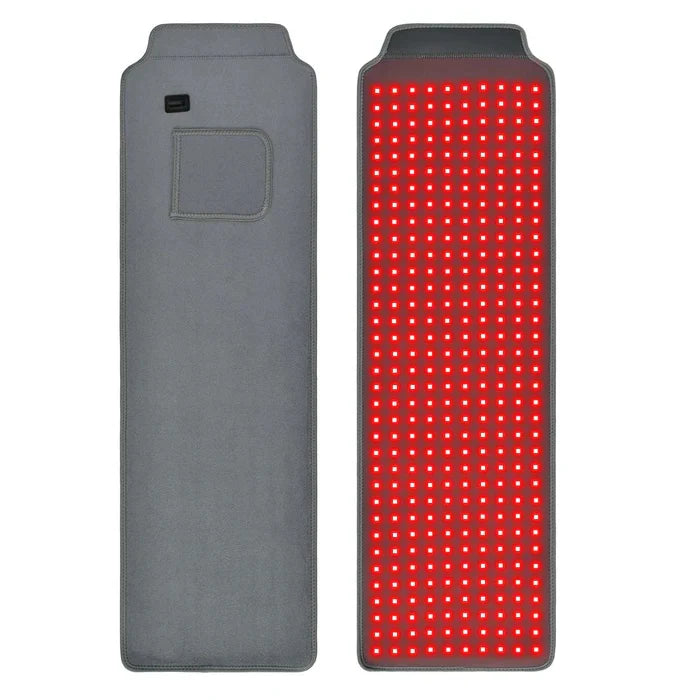
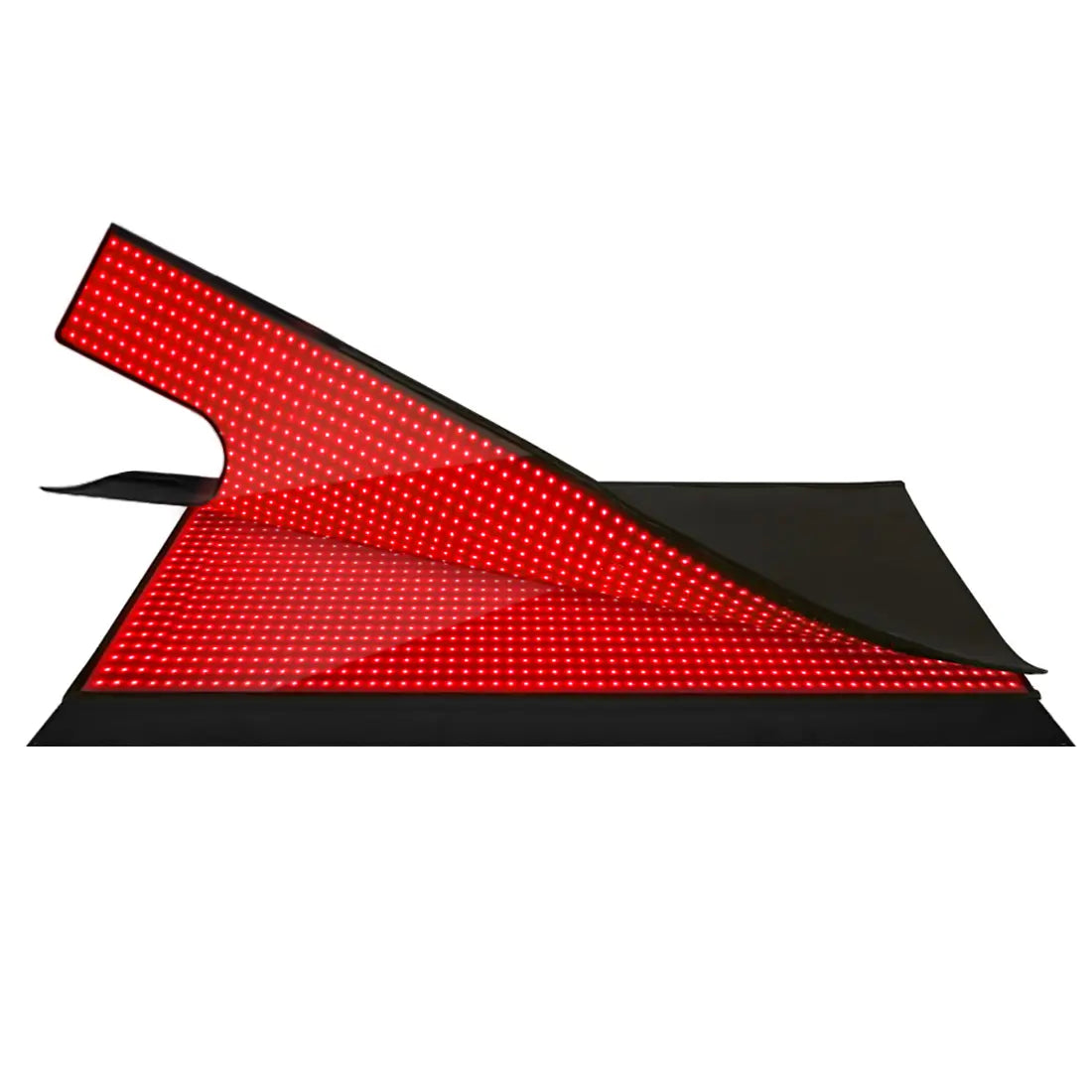
- Red Light Therapy (10 mins): Use a red light therapy panel or red light therapy belt on targeted areas or full body.
- Cold Plunge (2–5 mins): Finish with the cold. Focus on controlling your breath during the initial "cold shock" phase.
Safety Considerations and Boundaries
This guide is for informational purposes and discusses wellness routines only. It is not medical advice.
- Consult a Professional: If you have cardiovascular issues, are pregnant, or have autonomic nervous system disorders, consult a doctor before combining heat and cold stress.
- Listen to Your Body: If a 3-step stack feels like "too much," it probably is. Many athletes find better consistency by doing RLT daily and alternating sauna and cold plunge on different days.
- Hydration: The combination of heat and the diuretic effect of cold immersion can lead to rapid dehydration.
Final Thoughts
The Fire & Ice stack is a powerful tool for those looking to optimize their recovery environment. By understanding the "waiting windows" and adjusting the sequence to match your training goals, you can move from random stacking to a purposeful protocol.
For more specific applications, see our guides on red light therapy for HIIT recovery or how to adapt red light therapy in winter. The most effective routine is the one that you can perform safely and consistently.