
Summary
The Fire & Ice protocol represents a cutting-edge recovery strategy that integrates the cellular stimulation of photobiomodulation (red light therapy) with the systemic anti-inflammatory effects of cold water immersion. By strategically sequencing these thermal and photonic stressors, high-performance individuals can optimize mitochondrial efficiency, accelerate tissue repair, and enhance overall physiological resilience.
Key takeaways
- Synergistic Mechanisms: Red light therapy (RLT) stimulates mitochondrial ATP production and cytochrome c oxidase, while cold water immersion (CWI) triggers vasoconstriction and the release of cold shock proteins.
- Strategic Timing: Utilizing RLT before a cold plunge "primes" the tissue for thermal stress, whereas post-plunge RLT facilitates rapid re-warming and restores microcirculation.
- Goal-Dependent Protocols: Athletes focused on hypertrophy should separate cold exposure from training by several hours to protect anabolic signaling, while endurance athletes may benefit from immediate post-exercise stacking.
- Dosing Precision: Effective protocols typically require 10–20 minutes of RLT at 660–850nm wavelengths followed by 2–5 minutes of CWI at 10–15°C (50–59°F).
- Adaptation Management: To maintain long-term efficacy, users should cycle the protocol to avoid hormetic "plateaus" where the body becomes overly adapted to the stressors.
The Physiological Synergy of Fire and Ice
The "Fire & Ice" recovery protocol is more than a trend; it is a sophisticated application of hormesis—the biological phenomenon where brief exposure to controlled stressors triggers beneficial adaptations. In this protocol, the "fire" is provided by red and near-infrared light, which penetrates the skin to interact directly with the mitochondria. This process, known as photobiomodulation (PBM), enhances the production of adenosine triphosphate (ATP), the primary energy currency of the cell.
Conversely, the "ice" component involves cold water immersion, which induces rapid vasoconstriction and a significant reduction in metabolic rate within the treated tissues. This helps to blunt the inflammatory cascade that follows intense physical exertion. When combined, these modalities create a unique "pump" effect: the cold plunge drives blood away from the extremities toward the core, and the subsequent or preceding red light therapy encourages vasodilation and nutrient delivery. This cycle effectively "flushes" metabolic waste while simultaneously fueling the cellular machinery required for repair.
Logic Summary: This section assumes that the user is seeking a deeper understanding of how these two distinct modalities interact. The synergy is based on the complementary nature of mitochondrial stimulation and inflammatory modulation. This approach is recommended for those who have already mastered basic recovery and are looking for marginal gains in performance.
Timing Protocols: Red Light Therapy Before or After Cold Plunge?
One of the most frequent questions in the recovery community is whether to use red light therapy before or after cold plunge. The answer depends largely on your immediate physiological objective.
The Pre-Plunge Prime (RLT then Cold)
Using red light therapy before entering a cold plunge serves as a "priming" mechanism. The warmth and photonic energy increase tissue temperature and metabolic activity, which may make the subsequent cold shock more tolerable and effective. Research suggests that pre-conditioning tissues with PBM can increase the expression of heat shock proteins, which provide a protective effect against the oxidative stress induced by the cold. This sequence is often preferred for general wellness and metabolic health, as it maximizes the "thermal contrast" the body must navigate.
The Post-Plunge Re-Warming (Cold then RLT)
For many athletes, the primary goal of the Fire & Ice protocol is to restore normal function as quickly as possible after a cold session. Following a cold plunge with a high-irradiance red light therapy panel helps to jumpstart the re-warming process. The infrared wavelengths (850nm) are particularly effective here, as they penetrate deeper into the muscle tissue to stimulate blood flow and reduce the stiffness often associated with intense cold exposure. This sequence is ideal for those who find it difficult to "thaw out" after a plunge or who need to remain active shortly after their recovery session.

Goal-Specific Stacking: Hypertrophy vs. Endurance
While the Fire & Ice protocol is versatile, it is not one-size-fits-all. The physiological requirements for building muscle mass (hypertrophy) differ significantly from those required for cardiovascular endurance.
Hypertrophy and the "Cold Gap"
A critical consideration for those focused on muscle growth is the impact of cold water immersion on the mTOR (mammalian target of rapamycin) pathway, which is essential for muscle protein synthesis. Recent studies have indicated that immediate cold exposure post-resistance training can blunt these anabolic signals. To mitigate this, we recommend a "Cold Gap" of at least 4 hours between your workout and the cold plunge. During this gap, you can use red light therapy to support mitochondrial health without the inhibitory effects of the cold.
Endurance and Mitochondrial Biogenesis
For endurance athletes, the Fire & Ice protocol can be used more aggressively. Both RLT and CWI have been shown to support mitochondrial biogenesis—the creation of new mitochondria. Stacking these modalities immediately after a long run or cycling session can help manage systemic inflammation while simultaneously signaling the body to increase its aerobic capacity.
| Goal | Sequence | RLT Parameters | Cold Plunge Parameters | Primary Benefit |
|---|---|---|---|---|
| Endurance Recovery | RLT then Cold | 15 mins, 660/850nm | 3 mins @ 12°C | Mitochondrial biogenesis |
| Hypertrophy Support | Cold then RLT (4hr gap) | 20 mins, 850nm | 5 mins @ 10°C | Reduced DOMS without mTOR inhibition |
| Metabolic Health | Alternating Cycles | 10 mins per cycle | 2 mins per cycle | Enhanced brown fat activation |
| General Wellness | RLT then Cold | 10 mins, 660nm | 2 mins @ 15°C | Systemic resilience & mood |
Precision Dosing and Technical Standards
To achieve the results seen in clinical settings, you must pay attention to the technical specifications of your equipment. Vague recommendations like "sit in front of the light" are insufficient for elite recovery.
According to the Photobiomodulation Standards: Irradiance, EMF, and Safety whitepaper, therapeutic efficacy is a function of irradiance (measured in mW/cm²) and time, which together determine the total dose (Joules/cm²). For the Fire & Ice protocol, an irradiance of 50–100 mW/cm² at the skin surface is typically recommended. This ensures that the light penetrates deeply enough to reach the muscles and joints that have been constricted by the cold.
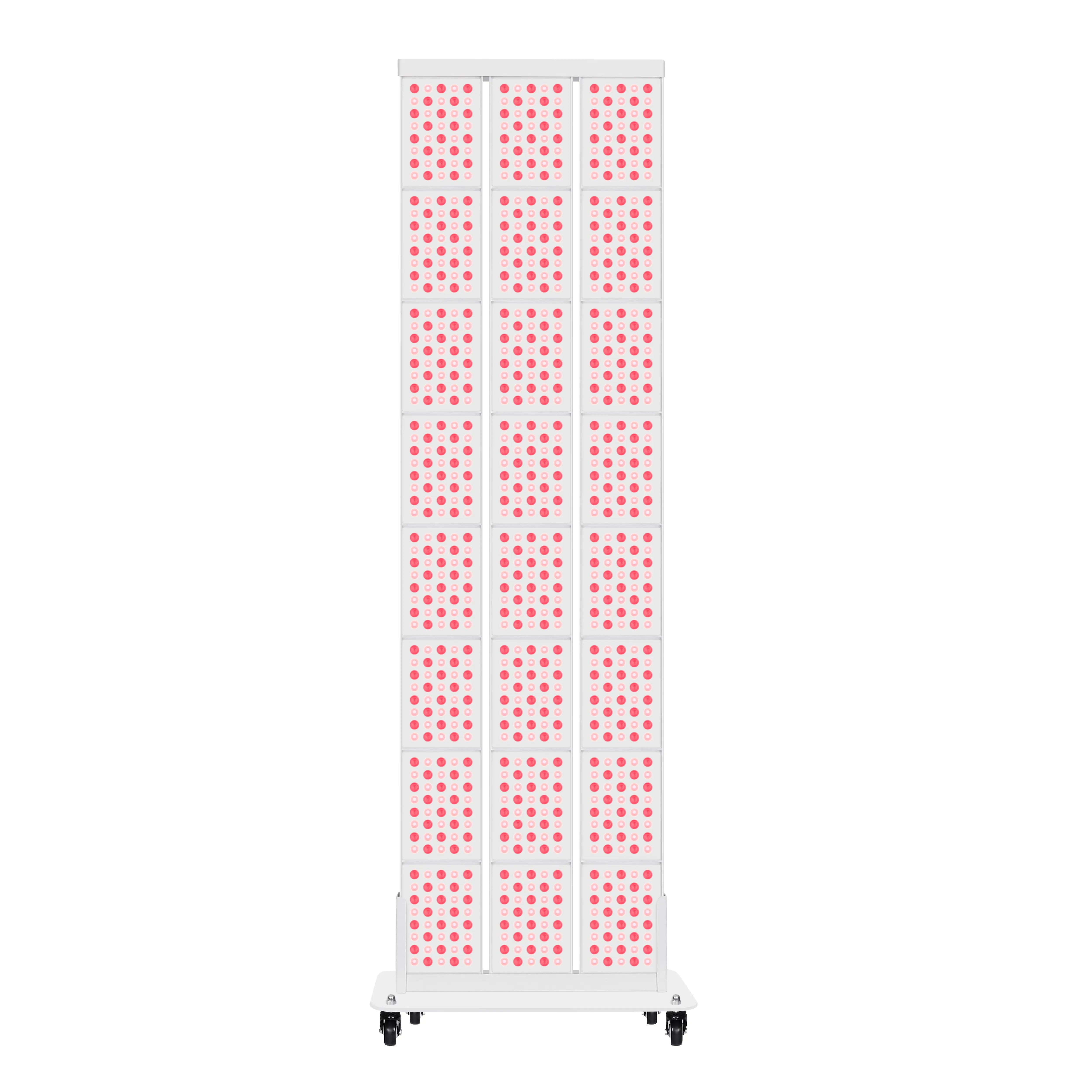
Furthermore, when choosing a device, it is essential to choose the right red light therapy panel that meets the IEC 60601-2-57:2026 safety standards. High-performance panels, such as the Youlumi 1500W Red Light Therapy Panel, provide the necessary power to deliver a clinical-grade dose within the 10–20 minute window required for the protocol.

Managing Long-Term Adaptation and Protocol Cycling
The human body is remarkably adept at reaching homeostasis. If you perform the Fire & Ice protocol every single day, your body will eventually adapt to the stressor, and the "hormetic shock" will diminish. This is known as the Arndt-Schulz Law in photobiomodulation, where there is an optimal dose-response curve.
To avoid this plateau, we recommend protocol cycling. This might involve using the full Fire & Ice stack three times per week, with "light" days using only RLT or only CWI in between. Monitoring your red light therapy frequency is crucial; more is not always better. If you begin to feel chronically fatigued or notice a decrease in workout performance, it may be a sign that you are overwhelming your adaptive capacity and need to increase your recovery time.
Logic Summary: This recommendation is based on the principle of progressive overload and recovery. It assumes that the user is an active individual whose body will eventually normalize to any consistent stimulus. Cycling is recommended to keep the biological response "fresh" and effective.
Safety and Contraindications: Managing Thermal Stress
While the Fire & Ice protocol is generally safe for healthy individuals, the rapid cycling between heat (from RLT and metabolic re-warming) and cold (from CWI) places a significant demand on the cardiovascular system.
Individuals with the following conditions should consult a medical professional before starting the protocol:
- Raynaud's disease or extreme cold sensitivity.
- Cardiovascular issues, including hypertension or arrhythmias.
- Pregnancy (due to the systemic thermal stress).
- Recent surgical sites or open wounds.
Always ensure you are using eye protection during RLT sessions, especially when using high-powered panels. Monitoring your heart rate and subjective feelings of dizziness or extreme shivering is essential during the cold plunge phase.
FAQ
Can I do red light therapy and cold plunge on the same day? Yes, combining these modalities on the same day is the basis of the Fire & Ice protocol. The key is the sequence and the timing relative to your exercise. For most users, performing them back-to-back or within a few hours of each other provides the best synergistic results for inflammation management and cellular repair.
Is it better to do red light therapy before or after a cold plunge? There is no single "best" way, as it depends on your goals. RLT before a plunge "primes" the body and can make the cold more tolerable, while RLT after a plunge helps with re-warming and restoring circulation. Many athletes prefer the post-plunge RLT to reduce the "chilled" feeling and jumpstart muscle recovery.
How long should I wait between the cold plunge and red light therapy? If your goal is re-warming, you can move directly from the cold plunge to the red light therapy panel after drying off. If you are focused on hypertrophy, you should wait at least 4 hours after your workout before doing the cold plunge, but you can use RLT immediately after your workout to support recovery during that waiting period.
What temperature should the cold plunge be for this protocol? For most recovery benefits, a temperature range of 10–15°C (50–59°F) is recommended. Going colder than 10°C may increase the risk of cold shock without providing significant additional anti-inflammatory benefits, especially when paired with the metabolic stimulation of red light therapy.
How many times a week should I do the Fire & Ice protocol? For most high-performance individuals, 2–4 times per week is an optimal frequency. This allows for significant recovery benefits while preventing the body from becoming overly adapted to the stressors. Always listen to your body's signals and adjust the frequency based on your training load and overall fatigue levels.
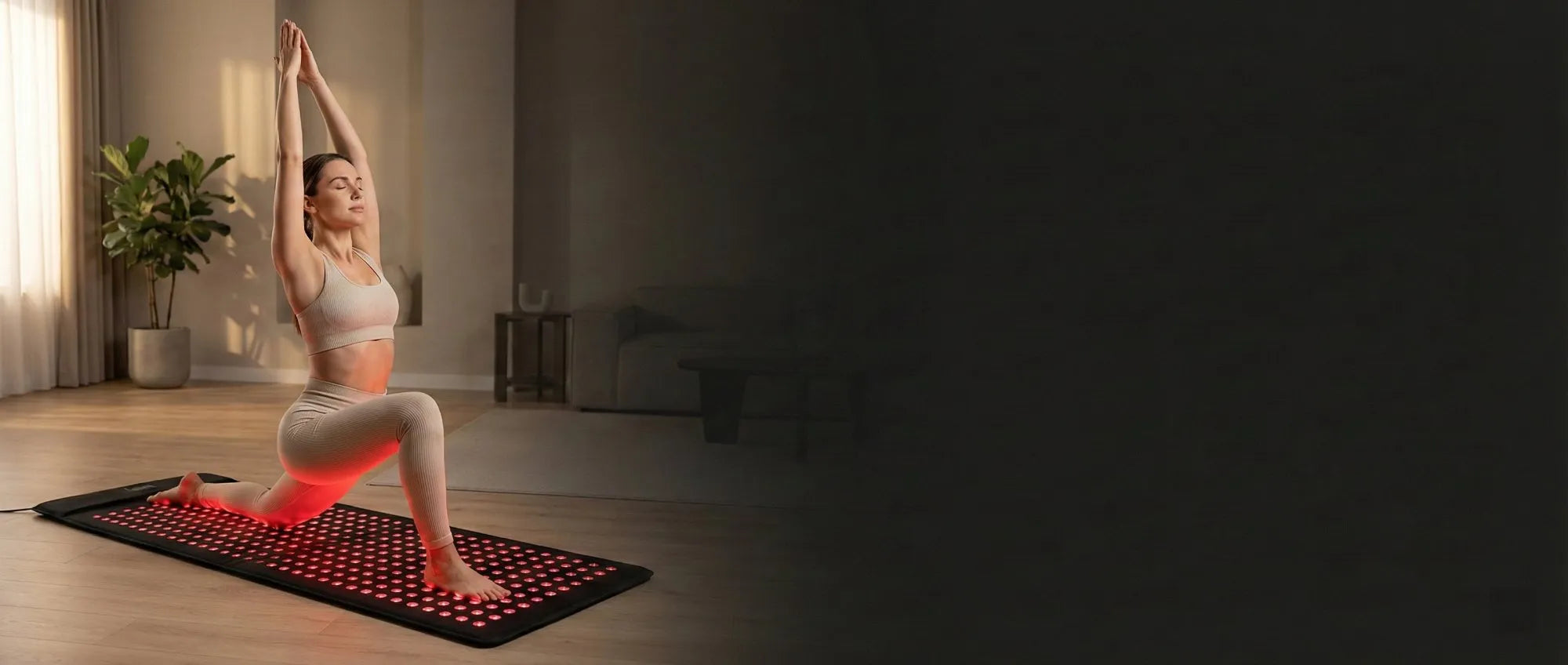
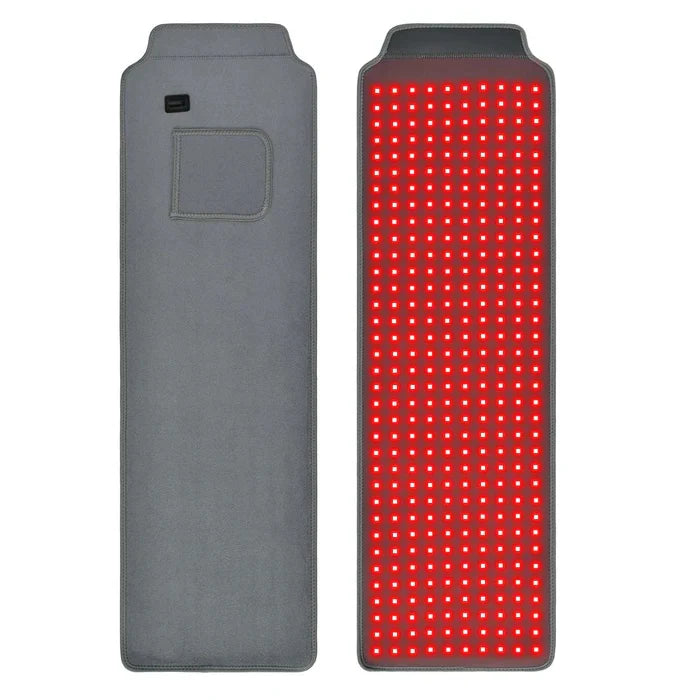
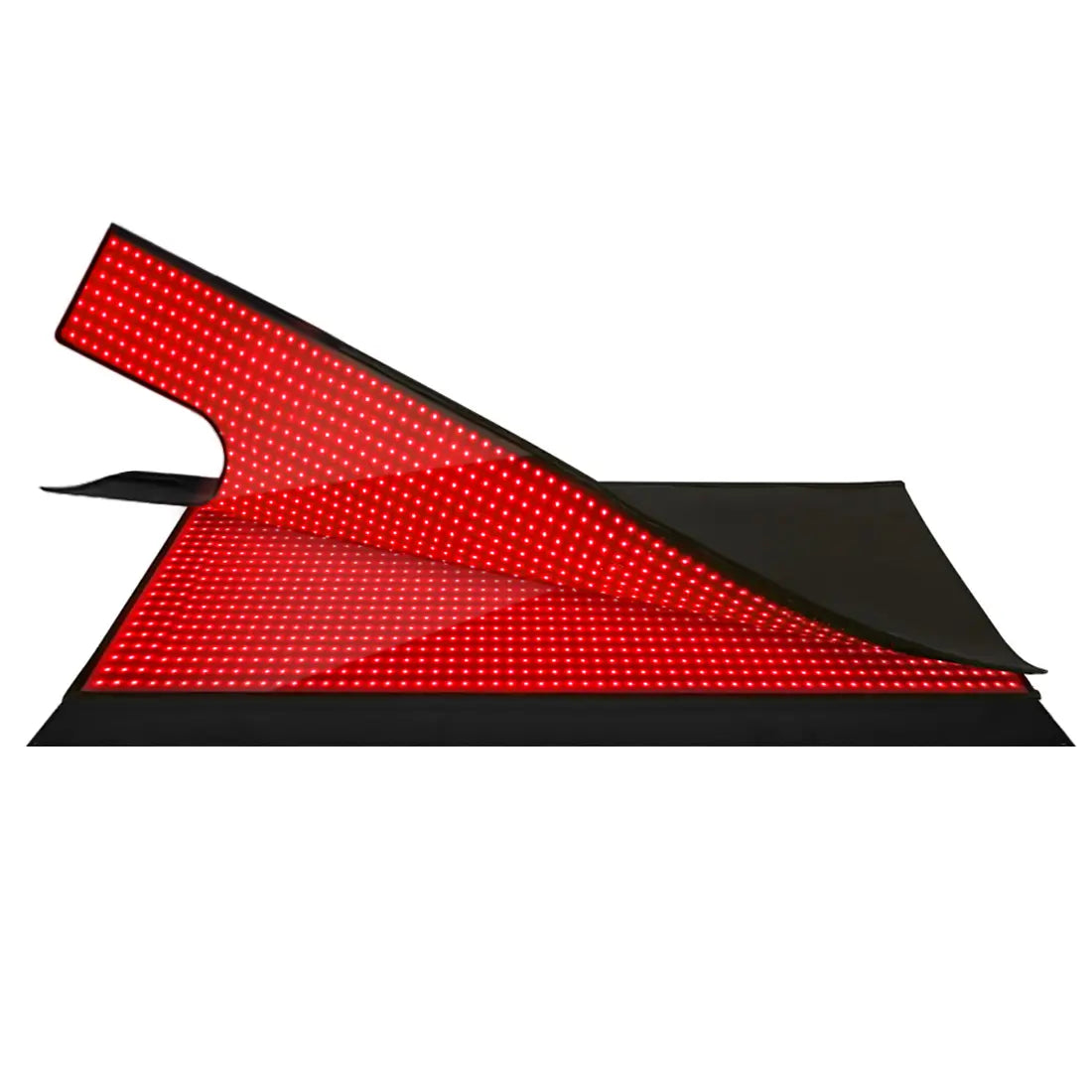
Do I need a full-body panel for this protocol? While targeted panels can work for specific injuries, a full-body panel or a high-powered mat like the Youlumi Pro Full Body Red Light Therapy Mat is ideal for the Fire & Ice protocol. This ensures that the systemic benefits of PBM are delivered to all major muscle groups simultaneously, matching the systemic nature of a cold plunge.
References
Government / Standards / Regulators
- IEC 60601-2-57:2026: Medical electrical equipment - Part 2-57: Particular requirements for the basic safety and essential performance of non-laser light source equipment intended for therapeutic, diagnostic, monitoring and cosmetic/aesthetic use.
- National Institutes of Health (NIH): Photobiomodulation dosing parameters for optimal mitochondrial function (2024).
Industry Associations / Research Institutes
- British Journal of Sports Medicine (BJSM): Cold water immersion protocols for athletic recovery: systematic review (2023).
- Frontiers in Physiology: Hormetic adaptation to cold exposure and photobiomodulation (2024).
Academic / Whitepapers / Labs
- Journal of Applied Physiology: Cold water immersion effects on muscle protein synthesis pathways (2023).
- Nature Scientific Reports: Hormetic responses to combined thermal and photonic stressors (2025).
- ScienceDirect: Standardized parameters for photobiomodulation therapy in sports recovery (2023).
Community
- Reddit /r/biohacking: Discussions on "Fire and Ice" stacking (Intent only; not authoritative).
- Elite Performance Forums: Anecdotal reports on RLT timing for cold plunge recovery (Intent only; not authoritative).