
Red light therapy, also known as photobiomodulation, is being explored by athletes and biohackers as a non-invasive way to support recovery and performance. While research is still evolving, many users incorporate it into pre- and post-workout routines to potentially aid muscle repair, manage soreness, and maintain training consistency. The most effective approach depends heavily on your specific sport, training load, device quality, and ability to maintain a consistent routine alongside proper sleep, nutrition, and load management.

This pillar guide consolidates practical considerations for integrating red light therapy into sports recovery. It emphasizes realistic expectations, scenario-specific adaptations, and operational checklists rather than promising guaranteed outcomes. Results vary widely by individual and setup.
Understanding How Red Light Therapy May Support Sports Recovery
Photobiomodulation uses specific wavelengths of red and near-infrared light to interact with cellular mitochondria. This interaction is thought to influence ATP production, circulation, and inflammatory processes, which may help athletes feel recovered faster after intense sessions. However, these mechanisms are still under investigation, and benefits should be viewed as potential rather than proven.
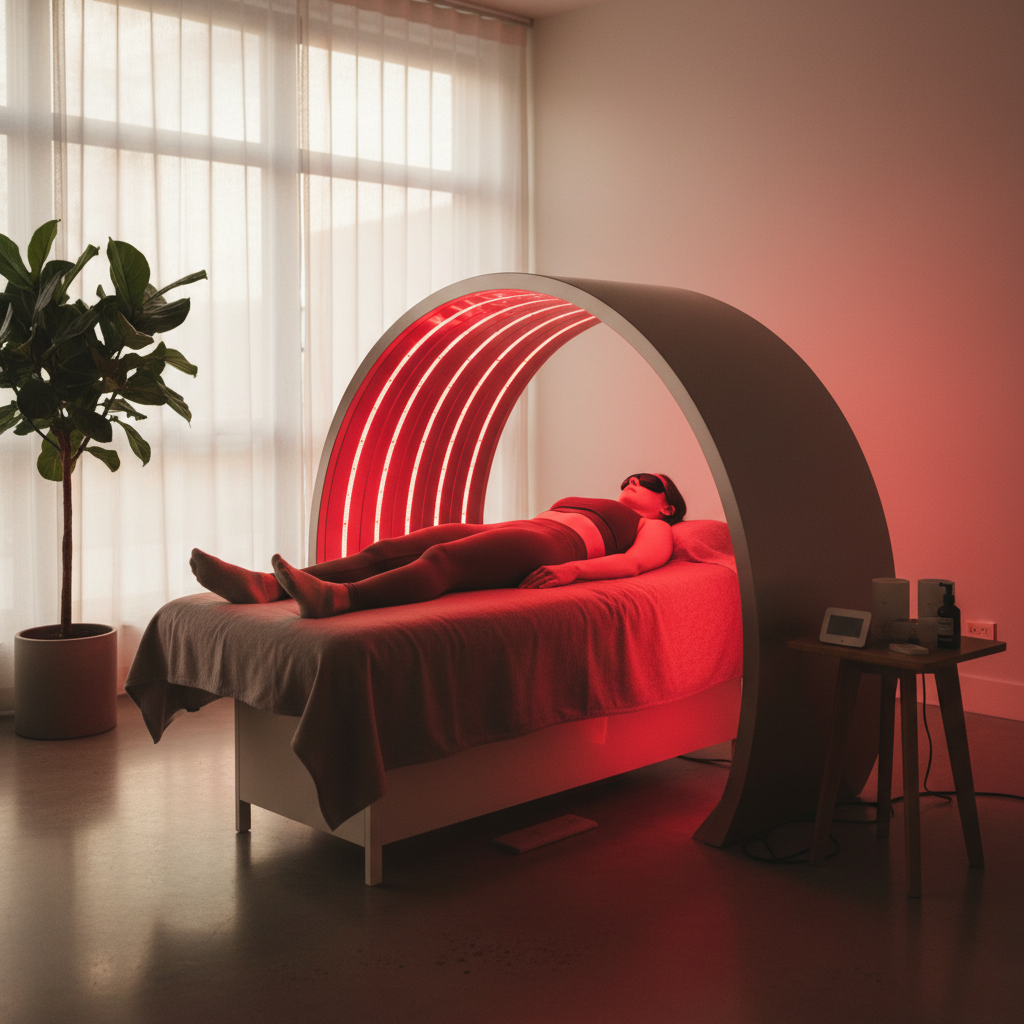
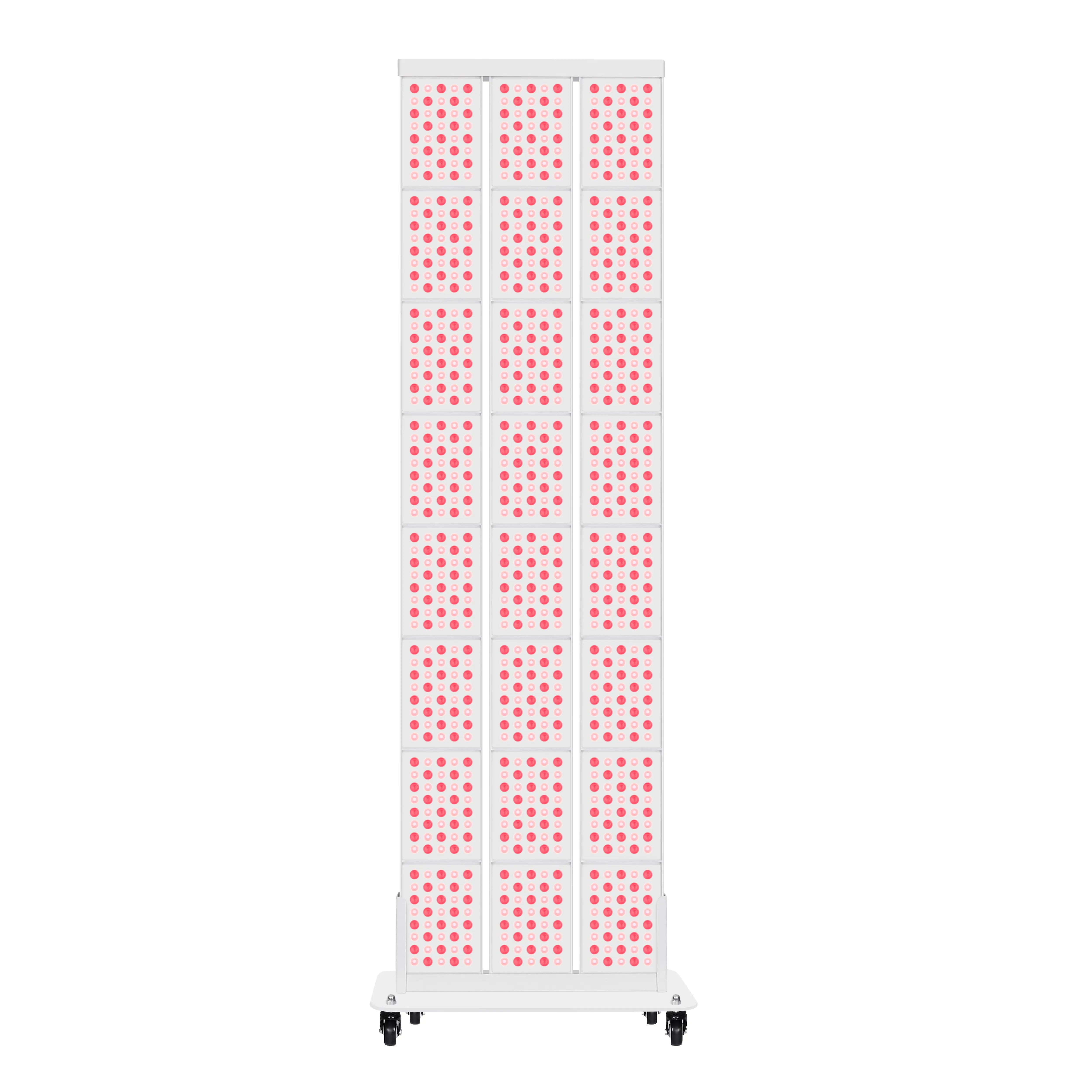
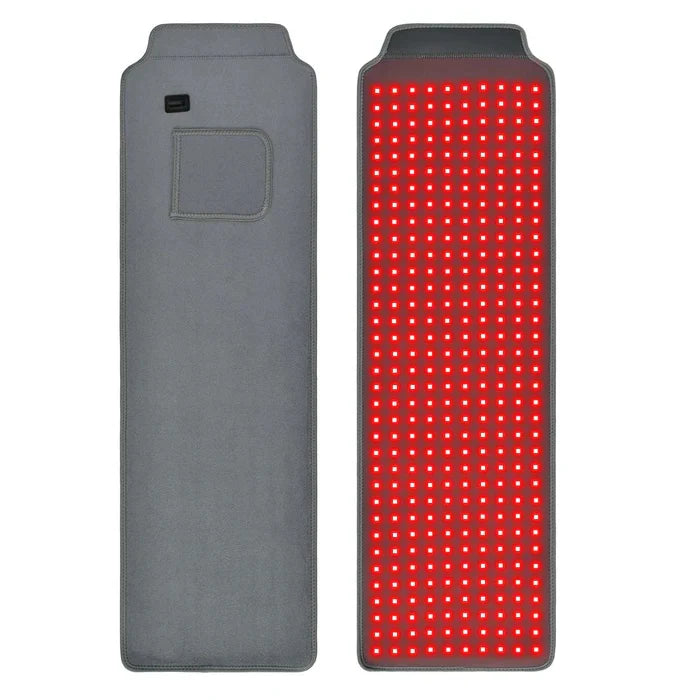
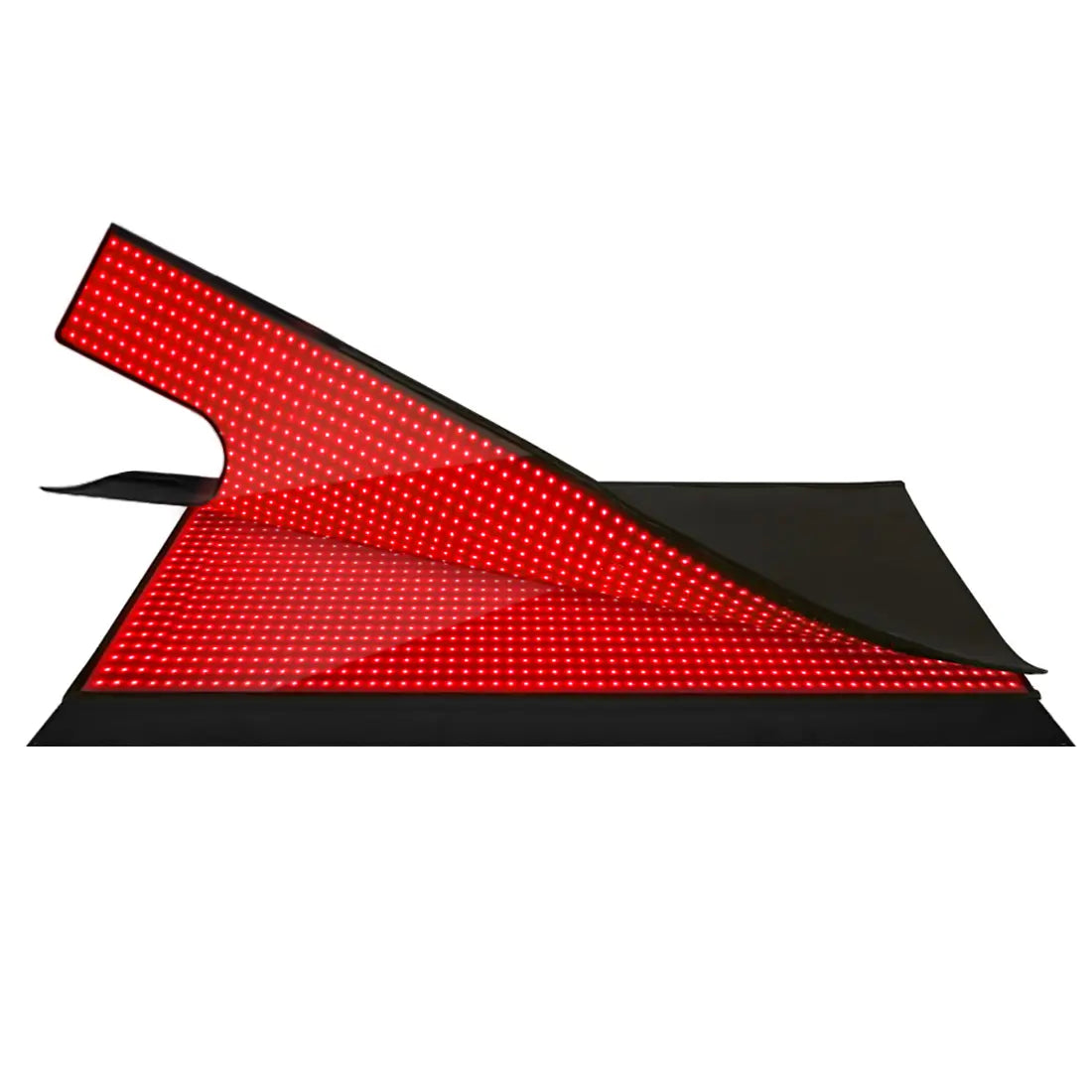
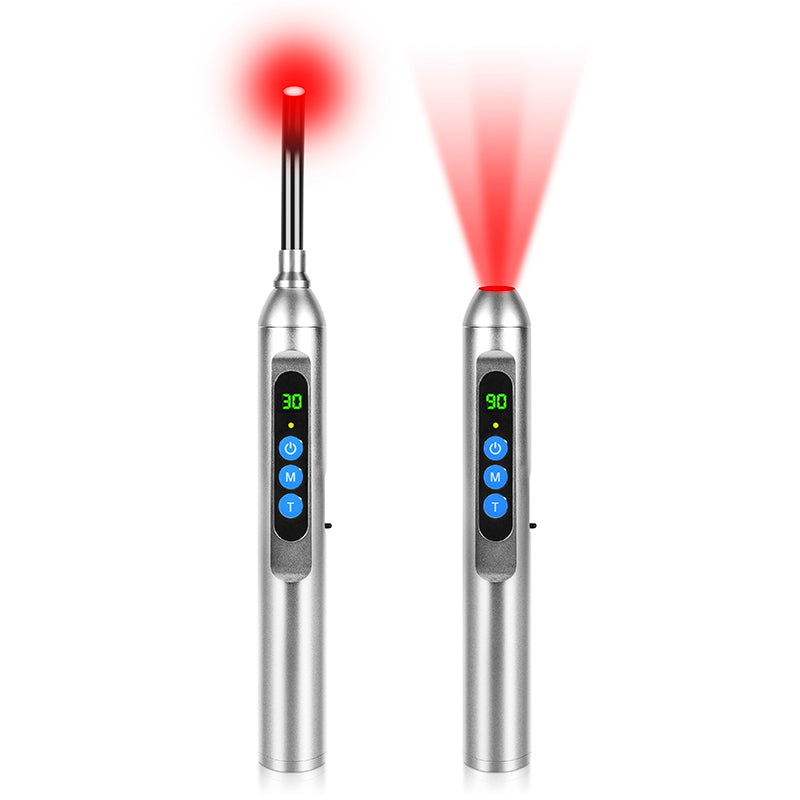
For athletes, the appeal lies in its non-pharmacological nature and at-home convenience. Panels, belts, and portable devices allow targeted application to major muscle groups used in running, lifting, cycling, or endurance activities. This technical overview of red light therapy panels explains basic device functionality and common applications.
Keep in mind that red light therapy works best as an adjunct tool. It cannot replace foundational recovery practices like adequate sleep, balanced nutrition, or appropriate training periodization. If you have an existing injury or persistent pain, consult a qualified medical professional before starting any new protocol.
Important Note on Health and Safety: This article discusses general comfort and setup considerations for athletes using red light therapy. It does not constitute medical advice, diagnosis, or treatment. Red light therapy is not intended to prevent, treat, or cure any disease or medical condition. If you experience persistent soreness, fatigue, or have pre-existing eye or skin conditions, consult a healthcare provider. Individual responses vary, and results are setup-dependent.
Pre-Workout vs Post-Workout Timing: When to Use It
The question of whether to use red light therapy before or after a workout remains context-dependent. Pre-workout application may help with warm-up and perceived readiness in some routines, while post-workout use is more commonly associated with addressing soreness and supporting repair processes.
Many athletes experiment with both timings during heavy training blocks. A short pre-session treatment on key muscle groups can feel like part of activation, while a post-session treatment targets areas that feel fatigued. The best choice often depends on your schedule, sport demands, and how much time you can dedicate without disrupting your flow.
For example, runners preparing for speed work may prefer a brief pre-run session on the legs for perceived responsiveness. In contrast, after a long endurance ride, cyclists often prioritize post-ride application to the quads and calves. Evidence for one timing being universally superior is limited, so treat timing as an experimental variable you can test in your own routine.
Building a Practical Red Light Therapy Protocol for Athletes
A basic sports recovery protocol typically involves sessions of 10–20 minutes per targeted area, with the device positioned 6–12 inches from the skin, depending on your specific model's irradiance. Frequency can range from daily during intense training to 3–5 times per week during maintenance phases.
Start with shorter sessions and monitor how your body responds. Focus the light on major muscle groups involved in your sport—such as the legs for runners and cyclists, or the back and shoulders for strength athletes. Consistency matters more than perfection. Using the device at the same time relative to training helps build the habit.
Practical variables to consider include:
- Session length: 10–15 minutes per major area is a common starting point for most users.
- Distance: Follow your device's guidelines, typically keeping panels or belts at a consistent, comfortable distance.
- Frequency: Daily use during hard training blocks; reduce when tapering or recovering from competition.
Always prioritize device safety standards, including proper irradiance and low EMF output, as detailed in technical benchmarks for photobiomodulation.
Here is a heuristic chart illustrating how timing favorability may shift across common sports and training scenarios. These scores represent practical workflow fit rather than measured biological outcomes.
Red Light Therapy Timing by Training Scenario (Heuristic)
Red Light Therapy Timing by Training Scenario (Heuristic) chart.
View chart data
| Category | Pre-workout favorability | Post-workout favorability | Practicality score |
|---|---|---|---|
| Running | 4.0 | 3.0 | 4.0 |
| Strength | 5.0 | 4.0 | 5.0 |
| Cycling | 4.0 | 4.0 | 4.0 |
| Endurance | 3.0 | 5.0 | 4.0 |
Heuristic model based on athlete workflow considerations, not clinical measurements. Scores reflect relative practicality for timing decisions across sport type and training load scenario; higher values indicate greater favorability or operational fit.

Sport-Specific Adaptations and Scenarios
Different sports place unique demands on the body, which can influence how you adapt a red light therapy routine.
Runners: Focus on the calves, quads, hamstrings, and Achilles area. Post-run sessions may help with general leg recovery, while pre-run use during speed sessions can be part of warm-up. In maintenance weeks, keep sessions short to maintain adherence. Learn more about red light therapy applications for lower body issues.
Strength Training: Target the specific muscles worked that day—such as the back after pulling movements or legs after squats. Post-workout tends to be prioritized for soreness management, especially in high-frequency programs. Pre-workout can serve as activation if time allows.
Cycling and Endurance: Quads, calves, and lower back are primary targets. After long rides or stage-like blocks, post-session application may support recovery from accumulated fatigue. During taper weeks, use may shift toward readiness rather than repair.
In high-volume or two-a-day schedules, a combined pre- and post-approach can be considered, but only if it remains simple enough to sustain. Travel or competition weeks often require streamlined protocols to avoid adding stress.
Common Mistakes to Avoid
Many users see limited results due to inconsistent application or unrealistic expectations. Treat red light therapy as a supportive habit rather than a miracle solution.
Key pitfalls include skipping sessions during busy periods, positioning the device too far or inconsistently, and expecting immediate dramatic changes in performance or soreness. Over-reliance on any single recovery tool can distract from optimizing sleep and nutrition.
Start small, track your subjective feelings over several weeks, and adjust based on what fits your lifestyle. If a protocol feels burdensome, simplify it or reduce frequency rather than abandoning it entirely.
Checklist: How to Build and Test Your Own Protocol
Use this operational checklist to create a personalized routine:
- Assess your current recovery gaps (sleep, nutrition, load management) first.
- Choose a consistent time slot—either pre- or post-workout—based on your schedule.
- Select target areas relevant to your sport and recent training stress.
- Begin with 10-minute sessions at the manufacturer's recommended distance.
- Track subjective metrics like soreness, perceived energy, and readiness for 2–4 weeks.
- Adjust frequency or duration only after establishing consistency.
- Re-evaluate if the added routine disrupts rather than supports training.
This structured approach helps separate genuine personal response from placebo or coincidence.
Who Should Approach Red Light Therapy with Caution
Red light therapy may not be the best addition if you cannot commit to regular use, have major foundational recovery issues still unaddressed, or expect rapid, dramatic improvements. Athletes with highly variable schedules or those traveling frequently may find adherence difficult, reducing any potential value.
It is best viewed as an optional layer for those who already maintain solid training and lifestyle habits. If your primary goal is guaranteed performance gains or injury treatment, prioritize evidence-based medical or coaching guidance instead.
Integrating Red Light Therapy Into a Complete Recovery System
The most sustainable results come when red light therapy complements—not competes with—other recovery methods. Combine it with mobility work, proper hydration, and periodized training for best outcomes.
Many athletes use red light therapy belts for convenient, targeted application during downtime or travel. Experimenting during off-season or lower-intensity periods allows you to refine your approach before high-stakes training blocks.
For more context on seasonal factors that may influence light-based recovery, see why red light therapy can feel more impactful in winter.
Additional reading on specific applications includes red light therapy after high-intensity training and considerations for specialized athletes.
Final Thoughts
A red light therapy protocol for sports recovery can be a convenient addition to an athlete's toolkit when implemented thoughtfully. Focus on consistency, realistic expectations, and integration with proven recovery fundamentals. Individual results depend on many variables including device specifications, usage habits, and overall training context.
Start conservatively, observe your own response over time, and adjust accordingly. Red light therapy should support your training goals without becoming another source of stress or complexity. When in doubt, prioritize sleep, nutrition, and professional medical advice for any concerning symptoms.
This comprehensive resource aims to equip you with practical decision-making tools rather than rigid prescriptions. Test, refine, and use red light therapy in the way that best fits your unique athletic journey in 2026 and beyond.